
From AI to Hyper-Real VFX: Tech-Driven Monster Animation Trends Dominating 2025
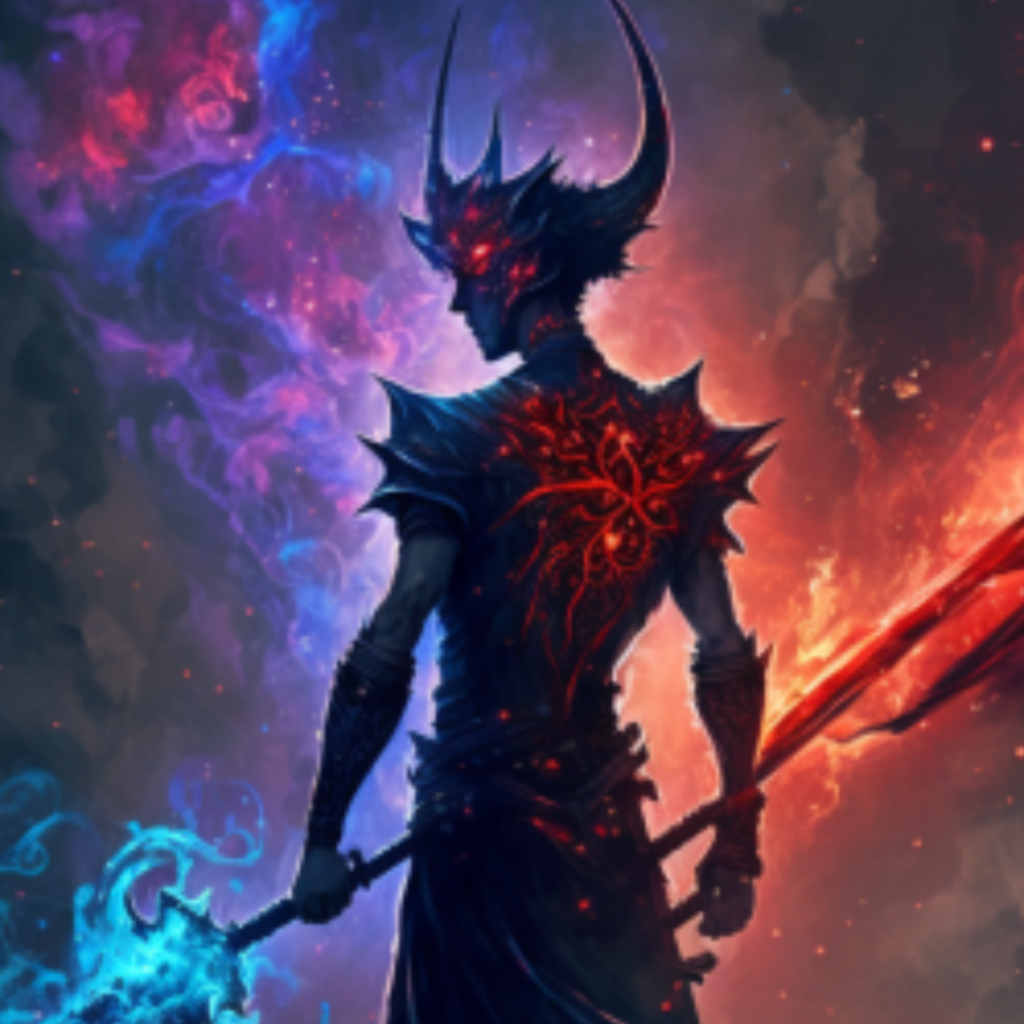
Monster animation is entering a groundbreaking era in 2025. What once depended heavily on manual artistry, clay modeling, and frame-by-frame animation is now powered by advanced AI, real-time rendering engines, hyper-real CGI simulations, and next-gen VFX pipelines. Modern audiences want creatures that feel alive—emotionally expressive, physically believable, and visually stunning. This dramatic rise in expectations has pushed the animation industry into a technological revolution. In 2025, monster animation is no longer about creating “scary creatures.” It’s about building intelligent beings that interact with environments, respond to characters, and emotionally engage viewers. This blog explores the biggest tech-driven monster animation trends dominating 2025, revealing how tools, innovations, and workflows are redefining creature-based storytelling across filmmaking, OTT platforms, gaming, and immersive digital worlds. 1. AI Is Reshaping the Entire Monster Animation Pipeline Artificial Intelligence is the backbone of monster animation in 2025. It enhances creativity, reduces production time, and gives animators unprecedented control over complex creature behavior. 1.1 AI-Powered Creature Rigging & Auto-Retargeting AI automates the most challenging part of monster animation: building rigs for unnatural proportions. Whether a creature has 4 legs, 12 tentacles, multiple wings, or floating appendages—AI generates: muscle systems joint rotations secondary movement behavior physics-based constraints This reduces weeks of manual rigging to hours. 1.2 AI Motion Prediction for Realistic Movement Instead of animators sculpting every movement, AI predicts: how a giant monster’s weight shifts how wings react in strong wind how claws grip surfaces how multi-limbed creatures walk This creates lifelike animation rooted in physics and anatomy. 1.3 AI-Driven Emotion Simulation Advanced AI tools analyze human emotion datasets and apply them to monsters: subtle eye movements micro facial expressions ear flicks breathing patterns Even terrifying creatures now display personality, fear, anger, or sadness. 2. Hyper-Real VFX: The New Standard for Monster Animation in 2025 Hyper-real VFX is one of the strongest monster animation trends today. Modern audiences expect monsters to look shockingly real—from skin pores to saliva strands, from fur density to infrared glow patterns. 2.1 Real-Time Skin Shading and Subsurface Scattering Monster skin is now layered with: blood flow simulations heat maps muscle elasticity moisture effects Subsurface scattering helps light penetrate the skin and bounce naturally, producing a realistic organic glow. 2.2 Advanced Fur, Scales, and Particle Systems Technologies like XGen, Houdini Grooming, and AI-enhanced particle engines create: ultra-detailed fur movement scale reflections dust displacement during movement dynamic shadow behavior Each strand and scale responds to physics and environmental interaction. 2.3 VFX for Environmental Interaction Monsters don’t just exist—they affect the world around them: water splash simulations ground deformation atmospheric dust plant displacement building destruction physics Hyper-real environmental VFX makes the creature feel “present” on screen. 3. Unreal Engine 5 Is Transforming Monster Animation Globally Unreal Engine 5 is a major force behind high-quality monster animation in 2025. 3.1 Nanite for Infinite Monster Detail Nanite virtualized geometry allows creators to build monsters with: millions of polygons microscopic skin details cinematic-level shading And all of it is rendered in real-time. 3.2 Lumen for Hyper-Real Global Illumination Lumen lighting reacts dynamically: glowing monster eyes radiant lava-based creatures bioluminescent underwater monsters Real-time lighting enhances realism drastically. 3.3 Real-Time Rendering = Faster Production Films, OTT series, and games no longer wait weeks for rendering.Real-time engines cut 70–90% render time. It’s a complete revolution in efficiency. 4. Motion Capture & Creature Performance Take Center Stage In 2025, MoCap is not just capturing human performance—it’s capturing creature performance. 4.1 Creature Suits & Multi-Limb Extensions Actors now wear: padded creature suits tail extensions limb trackers facial capture masks This lets performers mimic monster posture, movement, and behavior. 4.2 Hybrid Performance: Human + AI The animation pipeline blends: human raw motion AI smoothing procedural secondary motion This technique creates monsters that feel organic, unpredictable, and cinematic. 5. Procedural Animation for Monsters: The Future of Automated Movement Procedural animation is dominating monster creation in games and film. 5.1 Terrain-Adaptive Monster Movement Procedural systems automatically adjust monster movements depending on: steep slopes rocky terrain muddy paths underwater zones forests and caves Animators no longer animate every footstep manually. 5.2 Adaptive Attack & Defense Behavior for Games AI-powered procedural techniques help monsters: learn player behavior change attack patterns adapt to threats evolve fighting styles This makes game monsters intelligent and lifelike. 6. Virtual Production: Monsters in Immersive LED Worlds Virtual production technology is changing monster filmmaking. 6.1 LED Volume Sets Actors perform inside giant LED screens displaying: forests mountains alien planets underwater worlds Monsters are inserted digitally with accurate lighting and reflections. 6.2 Better Actor Interaction Actors see the environment instead of green screens, improving: reactions timing emotional performance This boosts monster believability. 7. Deepfake & Neural Rendering in Monster Animation Neural rendering is one of the hottest 2025 trends. 7.1 Deepfake for Monster Faces AI can replace face rigs with deepfake-style expressions, giving monsters: extreme realism fluid transitions natural facial storytelling 7.2 Neural Rendering for Instant CGI Output Neural networks generate CGI frames instantly, reducing render time drastically. 8. Monster Animation in Gaming, VR & Metaverse Monster animation is exploding beyond film. 8.1 VR Monster Encounters Players experience: giant Kaiju attacks underground monster lairs supernatural creatures close-up environmental destruction High-fidelity VR brings monsters to life. 8.2 AR Monsters in Real Spaces AR-based monsters appear: in living rooms at events on smartphones in theme parks These experiences are powered by real-time AI animation. 9. The Rise of AI Creature Generators 2025 introduces AI tools that create monsters from text prompts. You type: A giant reptile with lava veins, armored wings, and three glowing eyes. AI generates: 3D model texture layers early rig version concept animation This reduces early production time by 80%. 10. Hyper-Real Sound Design for Monster Animation Sound is half the experience. 2025 sound innovations include: AI voice modeling for monster roars procedural breathing simulations multi-layered footsteps echo-based environmental sound Sound enhances visual realism. Conclusion Monster animation in 2025 is more technologically advanced than ever.AI-driven rigging, hyper-real VFX, procedural animation, real-time rendering engines, and immersive virtual production have collectively changed the animation landscape. Creators