
Blending AI and Creativity: The Ultimate Guide to Animation Trends in 2025
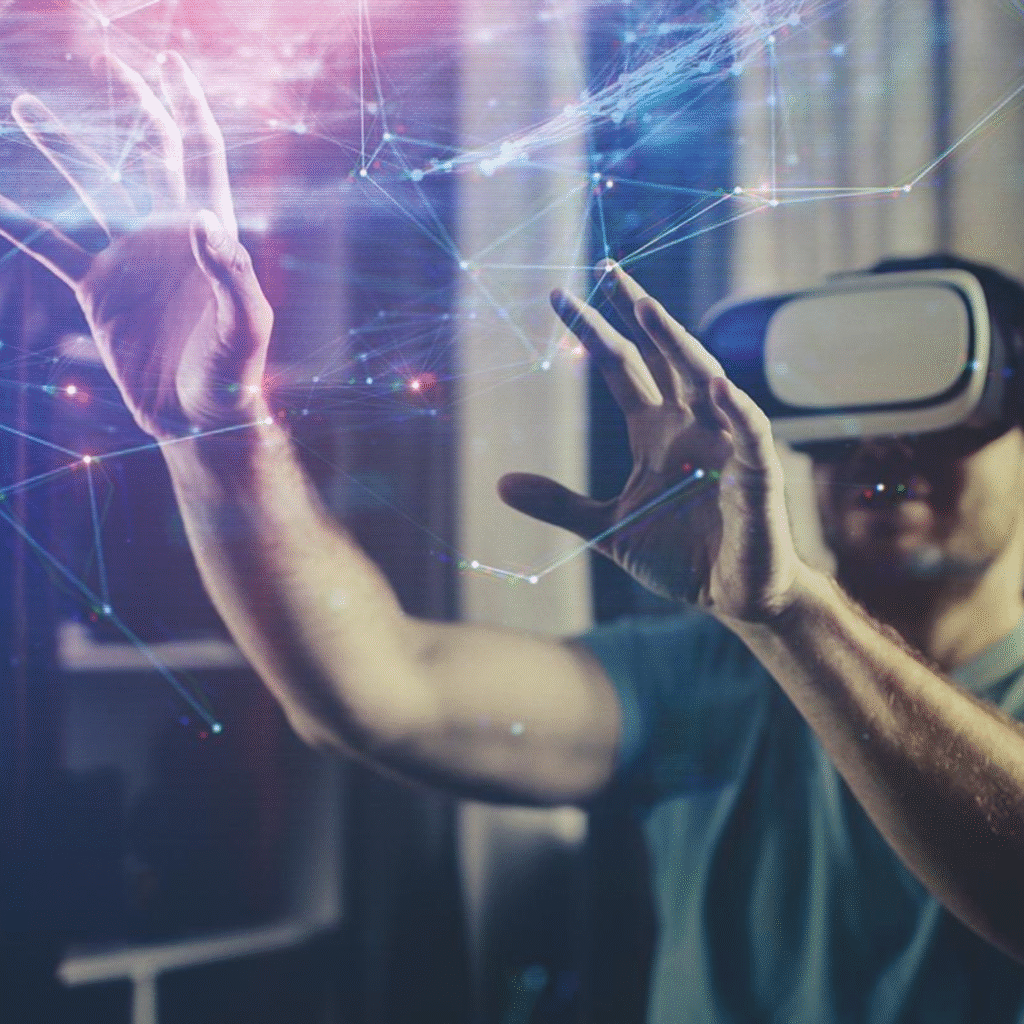
Animation in 2025 is entering a transformative phase where artificial intelligence (AI) and human creativity converge to create stunning visual experiences. AI is no longer a supporting tool—it has become integral to animation workflows, helping animators automate repetitive tasks, generate realistic motion, and enhance storytelling. At the same time, creative vision remains essential for designing compelling characters, environments, and narratives. This blog dives deep into how AI is shaping animation trends, the skills animators need to thrive, and actionable strategies for building a future-proof career. Whether you are a student, freelancer, or studio professional, understanding this blend of technology and creativity is key to success in 2025. Key AI-Driven Technologies Shaping Animation AI-Assisted Animation Tools Artificial intelligence can handle repetitive tasks, such as in-betweening frames, automating lip-sync, and predicting motion paths. Animators who leverage AI can focus on higher-level creative decisions, improving both efficiency and output quality. Procedural Animation and Machine Learning Machine learning algorithms enable procedural animation, generating realistic character movements based on physics and prior data. This reduces manual effort and opens new possibilities for dynamic, interactive animations in games, films, and VR/AR projects. AI in Real-Time Rendering AI-powered rendering techniques are revolutionizing animation pipelines. Real-time engines like Unreal Engine now use AI to optimize lighting, shadows, and textures instantly. Animators can preview changes immediately, which accelerates production timelines and enhances experimentation. Virtual and Augmented Reality Integration AI is enhancing VR/AR animation by providing intelligent behavior for interactive characters and environments. Animators can now simulate natural reactions and interactions, creating more immersive and lifelike experiences. AI-Powered Collaboration Tools Cloud-based AI tools facilitate remote collaboration by automatically syncing changes, detecting errors, and suggesting optimizations. Teams can work on large-scale projects without compromising efficiency or quality. Creative Skills That Complement AI Storytelling and Narrative Design AI cannot replace human imagination. Strong storytelling skills are essential for crafting engaging plots, emotional arcs, and compelling characters that resonate with audiences. Character Design and Emotion Expression AI can simulate motion, but animators must design characters with depth, personality, and expressive behaviors. Combining AI with creative input ensures characters are believable and engaging. Adaptive Creativity for Emerging Platforms With VR, AR, and interactive media growing rapidly, animators must think beyond traditional screens. Creative problem-solving is crucial for developing immersive experiences that captivate audiences. Career Opportunities with AI-Enhanced Animation Hybrid Animators Studios seek animators who can merge AI skills with creativity. Hybrid animators handle both technical AI workflows and artistic design, making them highly valuable in 2025. Game Design and Interactive Media AI-enhanced animation is revolutionizing gaming, enabling real-time character responses and dynamic environments. Animators proficient in AI tools and creative design are in high demand. Virtual Production and Film Virtual production uses AI for pre-visualization, camera tracking, and virtual character behavior. Animators skilled in AI-driven workflows contribute to faster, higher-quality productions. Freelance and Remote Work AI-powered tools reduce the need for large teams, enabling freelancers to produce high-quality animations efficiently. Professionals can collaborate globally and take on complex projects independently. Preparing for an AI-Centric Animation Industry Learn AI Tools and Software – Master AI-assisted animation software, real-time engines, and procedural animation platforms. Build a Hybrid Portfolio – Include projects showcasing both technical AI integration and creative design skills. Stay Updated with Emerging Trends – Follow industry news, attend webinars, and participate in workshops on AI animation. Collaborate and Network – Join communities, share work, and engage with professionals to expand opportunities. Experiment with VR/AR and Interactive Media – Develop projects in immersive platforms to showcase adaptive creativity. Conclusion AI and creativity together are redefining animation trends in 2025. Animators who embrace AI-assisted tools, real-time rendering, procedural animation, and immersive media will gain a competitive edge. However, creativity, storytelling, and character design remain irreplaceable. A future-ready animator blends technical knowledge with artistic vision, continuously updates skills, and explores innovative technologies. By understanding and integrating AI into the creative workflow, professionals can thrive in this dynamic industry, delivering immersive experiences that captivate audiences worldwide. Frequently Asked Questions (FAQs) Q1: How is AI changing the animation industry in 2025?AI is automating repetitive tasks, enhancing motion realism, enabling procedural animation, and supporting real-time rendering, which allows animators to focus more on creative storytelling. Q2: Do animators need programming knowledge for AI integration?Basic scripting and understanding of AI-driven workflows help animators customize processes and maximize AI tools effectively. Q3: Which careers benefit most from AI in animation?Hybrid animators, game designers, VR/AR specialists, and virtual production professionals are highly in demand due to AI integration. Q4: Can AI replace creative skills in animation?No. AI complements technical tasks but cannot replicate human creativity, storytelling, and emotional design in characters or narratives. Q5: How can animators stay competitive in 2025?By mastering AI tools, continuously learning emerging technologies, building a diverse portfolio, and combining creativity with technical expertise.
Animation Industry Insights 2025: Emerging Tech That Every Animator Must Know
The animation industry in 2025 is entering a new era where technology and creativity converge more than ever. Advanced tools such as artificial intelligence (AI), virtual and augmented reality (VR/AR), and real-time rendering engines are transforming how animators conceptualize, create, and deliver content. This technological evolution has not only changed the workflow but has also opened exciting career opportunities for professionals who can adapt to emerging trends. Understanding these developments is crucial for animators, studios, and students aiming to stay competitive. In this blog, we explore the key technologies every animator must know in 2025, the skills they demand, and how to leverage them for a successful career. Key Emerging Technologies in Animation 2025 AI-Powered Animation Tools Artificial intelligence is revolutionizing animation by automating repetitive tasks and assisting in complex workflows. AI can generate realistic motion, automate lip-syncing, and even predict character movements based on previous frames. Animators who integrate AI into their workflow save time and can focus more on creativity and storytelling. Real-Time Rendering Engines Tools like Unreal Engine and Unity enable real-time rendering, allowing animators to see their creations instantly. This technology is particularly transformative in gaming, VR production, and virtual sets for films. Real-time rendering drastically reduces production time while enabling more interactive and dynamic content. Virtual Reality (VR) and Augmented Reality (AR) VR and AR are no longer niche technologies; they are becoming central to animation experiences. Animators now design immersive environments where users interact with characters and scenes in real time. Understanding VR/AR pipelines and optimizing content for immersive experiences is becoming a critical skill for modern animators. Procedural Animation and Motion Capture Procedural animation, combined with motion capture technology, enables realistic, dynamic movement without manual frame-by-frame adjustments. Motion capture allows actors’ performances to be directly translated into animated characters, while procedural animation generates natural movement patterns algorithmically, reducing time and increasing realism. Cloud-Based Animation Workflows Cloud technology allows teams to collaborate remotely while sharing large project files seamlessly. Cloud platforms provide scalable rendering power and storage, making it easier for studios to manage complex projects. Animators who are comfortable with cloud-based workflows are highly valued in modern production environments. Skills Required to Leverage Emerging Technology Technical Skills Proficiency in AI-assisted animation software, real-time engines, motion capture systems, and cloud collaboration tools is essential. Animators must stay up-to-date with the latest versions of tools like Blender, Maya, Houdini, and Unreal Engine to remain competitive. Creative Skills Even with advanced technology, creativity remains the core of animation. Skills like storytelling, character design, and environmental conceptualization are crucial. A strong creative vision, combined with technical know-how, allows animators to deliver compelling and immersive content. Adaptability and Continuous Learning The rapid pace of technological advancement requires animators to be adaptable. Continuous learning through workshops, online courses, and industry events ensures professionals stay current and employable in 2025’s competitive animation landscape. Career Opportunities in Animation 2025 Gaming and Interactive Media The gaming sector continues to expand with high-fidelity graphics and immersive worlds. Skilled animators with real-time rendering and VR/AR experience are highly sought after in game design, level animation, and interactive storytelling. Virtual Production Studios Virtual production merges live-action filming with CGI in real time. This workflow requires animators skilled in real-time rendering, motion capture, and AI-assisted pipelines to create cinematic-quality results efficiently. Freelance and Remote Work Cloud-based tools and remote collaboration make freelance animation projects more feasible than ever. Professionals can work for multiple studios or clients worldwide, leveraging emerging technologies to manage complex tasks from home. How to Prepare for 2025 Animation Industry Trends Master Emerging Tools – Gain proficiency in AI-assisted software, Unreal Engine, Unity, and motion capture systems. Build a Diverse Portfolio – Showcase projects demonstrating both creative storytelling and technical skills. Attend Workshops and Courses – Stay updated with the latest industry trends through online and offline learning. Engage in Networking – Participate in animation forums, social media groups, and professional communities. Experiment with Immersive Media – Develop projects in VR/AR to showcase adaptability and creativity. Conclusion The animation industry in 2025 is defined by the integration of emerging technologies and creative innovation. Professionals who can harness AI, VR/AR, real-time rendering, and cloud-based workflows while maintaining strong storytelling and design skills will thrive. By staying informed, continuously learning, and experimenting with immersive technologies, animators can secure a future-ready career in this dynamic industry. Staying ahead of trends is not just advantageous—it’s essential for success in 2025. Frequently Asked Questions (FAQs) Q1: What is the focus of animation in 2025?Animation in 2025 focuses on combining technology with creativity, using AI, VR/AR, real-time rendering, and cloud-based workflows to create immersive experiences. Q2: Which emerging technology is most important for animators in 2025?Real-time rendering engines like Unreal Engine, AI-assisted animation tools, and VR/AR pipelines are the most impactful technologies shaping the animation industry. Q3: Do animators need programming skills for 2025 workflows?Basic scripting and understanding of procedural workflows help animators automate tasks and interact with AI tools, enhancing efficiency and technical capability. Q4: What careers will grow in the animation industry?Careers in gaming, virtual production, VR/AR experiences, AI animation, and cloud-based collaborative projects are expected to grow significantly. Q5: How can animators future-proof their skills?Continuous learning, mastering emerging tools, building a diverse portfolio, and staying adaptable to new technologies will help animators stay relevant in 2025.
Top Animation Skills in 2025: How Technology and Creativity Are Shaping Careers

The animation industry in 2025 is evolving at a breakneck pace, driven by cutting-edge technology and growing demand for immersive, visually stunning content. Animators are no longer limited to just creative storytelling—they now need technical expertise to bring ideas to life using AI, real-time rendering, and virtual reality (VR) tools. Combining technology with creativity is no longer optional; it’s essential for career growth. In this blog, we’ll explore the top animation skills in 2025, examine industry trends, and provide insights into how aspiring animators can future-proof their careers in an increasingly competitive landscape. Key Technical Skills Every Animator Needs in 2025 Mastery of 3D Animation Software Proficiency in software like Blender, Autodesk Maya, and Houdini is a baseline requirement for animators in 2025. These tools allow artists to create detailed 3D models, animate characters realistically, and produce complex visual effects. Mastering these platforms enables animators to work efficiently on feature films, games, and virtual productions. Real-Time Rendering with Game Engines Real-time rendering engines like Unreal Engine and Unity are revolutionizing animation workflows. Unlike traditional rendering, these tools allow instant feedback, enabling animators to experiment with lighting, textures, and movements in a live environment. Professionals skilled in these engines are highly sought after, especially in the gaming and virtual production sectors. AI-Assisted Animation Workflows Artificial intelligence is transforming how animators work. AI tools can automate repetitive tasks, generate realistic motion patterns, and even assist with lip-sync and facial expressions. Animators who understand AI integration can save time while producing higher-quality work, giving them a significant edge in the job market. Creative Skills That Set Animators Apart Storytelling and Conceptual Design Technical skills are essential, but creativity remains the heart of animation. Strong storytelling abilities help animators craft compelling narratives that resonate with audiences. Conceptual design skills allow artists to translate abstract ideas into visually engaging scenes and characters, making creativity a critical differentiator. Character Design and Motion Studies Designing memorable characters requires a deep understanding of anatomy, movement, and personality. Animators must study motion, gestures, and expressions to ensure characters appear lifelike. Combining technical expertise with creativity ensures characters feel authentic, enhancing audience engagement. Adaptive Creativity in Immersive Environments The rise of VR, AR, and mixed reality experiences demands adaptive creativity. Animators must think beyond traditional screens and design interactions for fully immersive environments. Creative problem-solving is essential for producing engaging experiences in games, virtual concerts, and metaverse projects. Industry Insights – Job Trends and Opportunities Growth of Gaming, Virtual Production, and Immersive Experiences The gaming industry continues to expand, with a focus on high-fidelity graphics and interactive worlds. Virtual production combines live-action filming with real-time CGI, opening new opportunities for skilled animators. Immersive experiences in VR/AR are becoming mainstream, creating demand for animators who can merge creativity with technology. Demand for Hybrid Animators The most sought-after professionals in 2025 are hybrid animators—those who possess both technical proficiency and strong creative skills. Studios increasingly prefer individuals who can handle AI-assisted workflows, real-time rendering, and character design without depending on multiple specialists. Freelance vs. Studio Career Paths Freelance animation is booming, offering flexibility and diverse project opportunities. However, large studios still value animators with specialized skills for high-profile projects. Aspiring professionals should evaluate career goals and decide whether to pursue freelance work, studio positions, or a combination of both. How to Future-Proof Your Animation Career Continuous Learning and Skill Upgradation The animation industry is rapidly evolving, and professionals must stay updated with the latest tools and techniques. Online courses, workshops, and certifications in AI animation, VR/AR, and real-time rendering help animators maintain relevance and secure high-demand roles. Portfolio Building and Networking A strong portfolio showcasing both creative and technical expertise is crucial. Animators should include work demonstrating storytelling, character design, and technical prowess. Networking through industry events, online communities, and social media can open doors to collaborations and job opportunities. Staying Ahead with Emerging Technologies Emerging technologies like AI-driven animation, procedural generation, and cloud-based collaboration tools are redefining workflows. Animators who experiment with these innovations can stand out in the competitive job market, delivering projects faster and more efficiently. Conclusion In 2025, the animation industry rewards those who can merge creativity with technology. Animators skilled in 3D software, AI-assisted workflows, real-time rendering, and immersive environment design are in high demand. By continuously learning, building a strong portfolio, and adapting to emerging tools, aspiring professionals can secure future-ready animation careers. The key takeaway is clear: mastering both technical and creative skills is no longer optional—it’s essential for success.