
The Future of Monster Animation in 2025: Entertainment Meets Cutting-Edge Technology
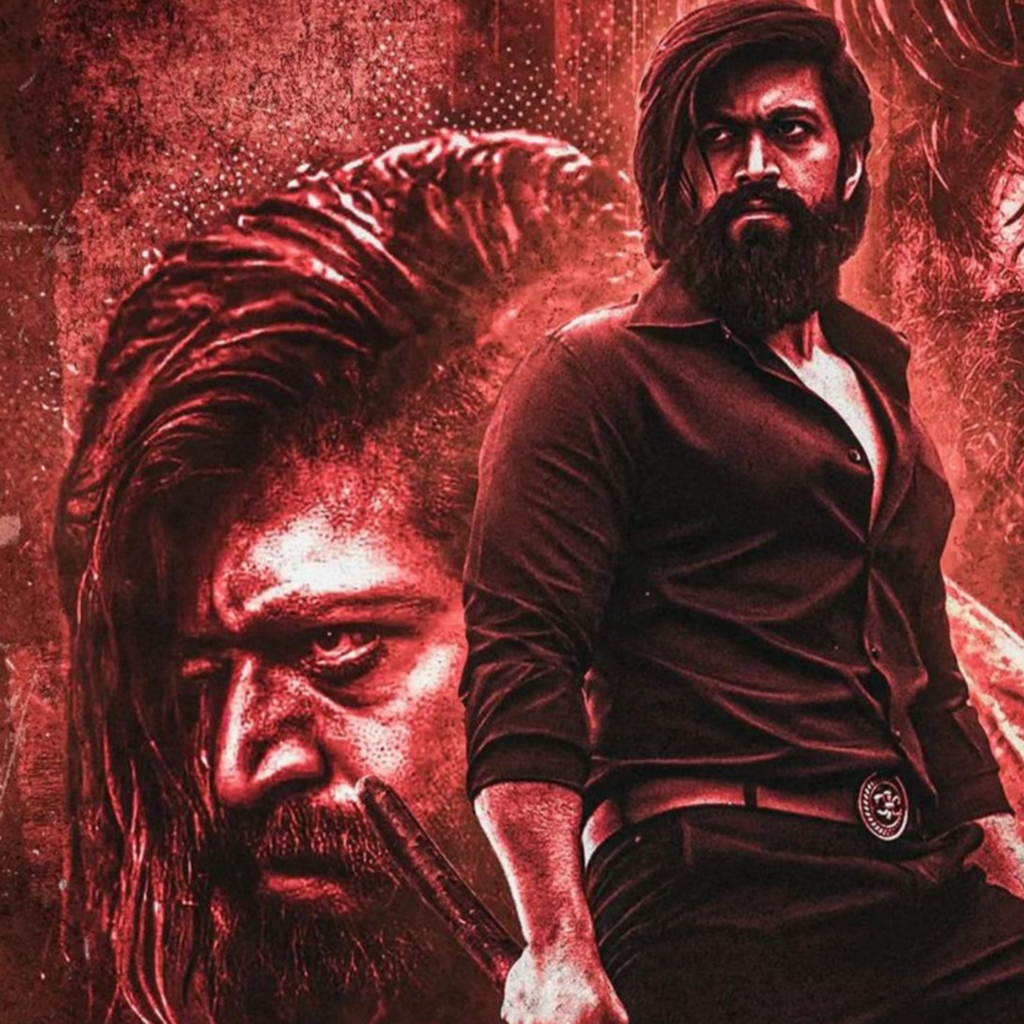
Monster animation has always been one of the most thrilling aspects of entertainment. But in 2025, the industry is witnessing a massive transformation driven by next-generation technology. Whether it’s movies, OTT shows, games, or VR productions, monster characters are becoming more realistic, more intelligent, and more emotionally engaging than ever before. These advancements are not just artistic breakthroughs—they are reshaping how audiences connect with creature-driven stories. The fusion of AI, real-time rendering, advanced VFX, virtual production, and new storytelling models is unlocking a new era for studios, animators, and fans worldwide. Below is a complete deep dive into how entertainment meets technology and why monster animation in 2025 is undergoing its biggest revolution yet. AI Is Accelerating Monster Animation Workflows in 2025 Artificial Intelligence is no longer a supporting tool—it’s the backbone of modern monster animation in 2025. AI-driven software automates several stages of the production pipeline, including rigging, motion capture cleanup, texture generation, and scene optimization. This automation reduces project timelines by nearly 40% and allows studios to experiment more with creature variations. AI also makes it possible to generate early monster models based on text prompts, environmental requirements, or even emotional traits. Tools like neural rendering and machine-learning-enhanced simulations help animators produce incredibly dynamic monster movements. Instead of spending weeks creating rough models, creators can now generate multiple iterations within hours, allowing for faster decision-making and superior creative freedom. Hyper-Real VFX Are Taking Monster Designs to a New Level One of the defining characteristics of monster animation 2025 is the rise of hyper-realistic visual effects. These VFX systems simulate skin layers, muscle tension, saliva movement, fur physics, and complex shadows with astonishing precision. Studios are increasingly using physically based rendering (PBR), subsurface scattering technologies, and GPU-powered VFX engines to give monsters a natural, life-like presence on screen. Whether it’s dragons in fantasy series, alien creatures in sci-fi films, or mythological beasts in games—audiences are experiencing cinematic realism like never before. Hyper-real VFX also help build emotional depth. When monsters display believable micro-expressions, eye movements, or muscle reactions, viewers can connect with them on a psychological level, enhancing the narrative impact. Real-Time Rendering Is Revolutionizing Creature Production Real-time rendering is one of the biggest tech breakthroughs shaping monster animation in 2025. Unlike traditional rendering pipelines that require hours or days to process scenes, real-time engines like Unreal Engine and Unity allow animators to see updates instantly. This technology speeds up creature simulations, lighting adjustments, texture updates, and environment changes. Filmmakers, game developers, and animators can test monster appearances instantly, predict how scenes will behave, and refine monster behaviors on the spot. The result? Higher-quality output in a fraction of the time. This shift toward real-time rendering is especially beneficial for monster-heavy productions, where complex animations and effects are common. It reduces production costs while boosting visual fidelity and dynamic accuracy. Virtual Production Is Merging Monsters With Real Environments Virtual production is becoming the new standard in 2025, replacing green screens with interactive LED walls. This technology creates immersive, real-time environments that match the movement of the camera. For monster animation, this means creators can place digital monsters into realistic settings instantly. Actors can also visualize creatures during filming, leading to more authentic reactions and better performance. Virtual production eliminates lighting mismatches, reduces post-production timelines, and enables real-time creature adjustments. Monster films and sci-fi series are using this technology extensively to achieve cinematic realism at a lower cost. Procedural Animation Is Enhancing Monster Movements Procedural animation plays a huge role in 2025, especially for complex creatures. Instead of manually animating thousands of movements, animators use physics-based systems that simulate behaviors automatically. This makes monster motion more natural and dynamic. For example: Tentacles react realistically to environmental forces Wings adjust speed and direction based on physics Massive body movements reflect accurate weight distribution These intelligent systems make monster characters look fresh, unique, and hyper-realistic with every scene. Motion Capture Is More Detailed Than Ever Before Modern motion capture systems in 2025 now support full-body, facial, and even micro-expression capture. These systems translate subtle human gestures into monster designs—giving creatures more emotional range. High-frequency sensors ensure that every muscle twitch and eye movement is captured precisely. Even non-human motions, like crawling, flying, or multi-legged movement, can be recorded using AI-assisted mocap setups. This results in smoother, more expressive, and more believable monster performances on screen. 3D Scanning and Photogrammetry Speed Up Monster Modeling 3D scanning tools allow creators to scan textures, objects, animal skins, geological structures, and human expressions to build monster surfaces. This speeds up modeling and texturing drastically. Photogrammetry provides high-resolution references for skin patterns, bone structures, and anatomical details—making monster models far more lifelike. These technologies help animators create monsters with biological accuracy, whether they are reptilian, amphibious, extraterrestrial, or mythical. Voice AI and Sound Engineering Make Monsters More Immersive Sound is a critical part of monster animation in 2025. AI-driven voice systems generate custom monster voices based on pitch, texture, breathing patterns, and emotional intensity. Sound engineers combine real animal voices, AI frequency layers, metallic distortions, and biomechanical effects to produce unique creature sounds. These sounds play a major role in character identity. A monster with a distinct audio signature becomes unforgettable and instantly recognizable. VR and AR Are Bringing Monsters Into New Worlds Virtual Reality and Augmented Reality are creating new platforms for monster storytelling. VR games allow users to interact directly with massive creatures, examine their anatomy up close, or escape from monster-filled environments. AR experiences place monsters in real-world surroundings, making them appear more alive and integrated. As devices become more powerful, these experiences are becoming more immersive, real-time, and emotionally engaging. Cross-Media Monster Universes Are Growing Studios are no longer creating monster characters just for films or games—they are building entire universes. A monster introduced in a streaming series might later appear in a mobile game, comic book, or VR experience. Transmedia storytelling ensures: Wider audience engagement Longer franchise lifespan Deeper fan connection More opportunities for merch and licensing Technology makes it easier
2025 Monster Animation Revolution: How Advanced Tech Is Redefining Creature Design
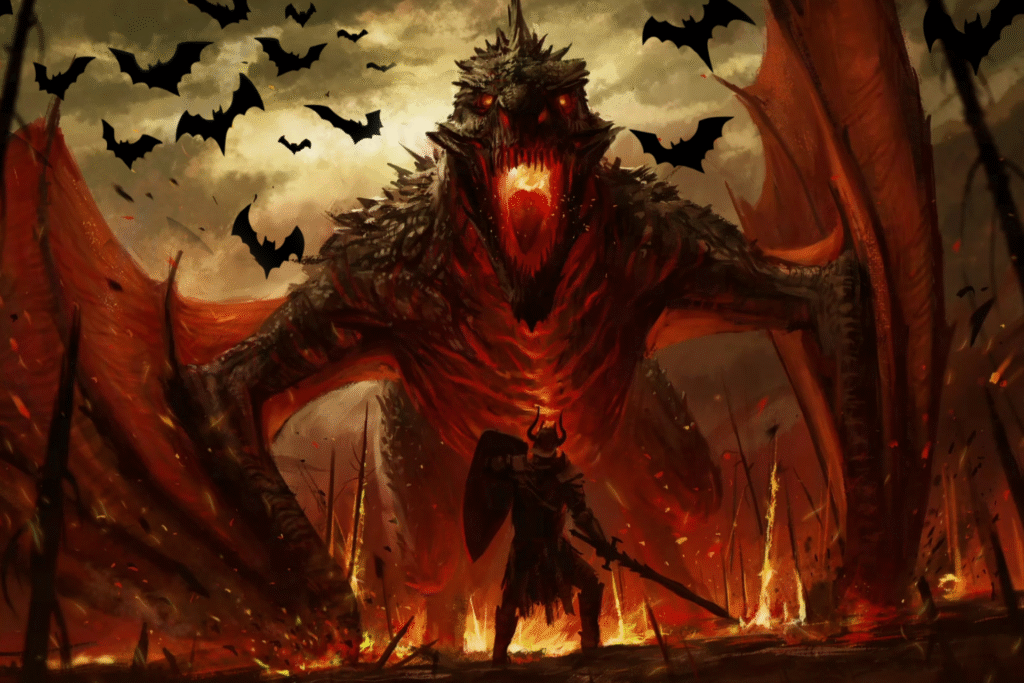
The world of monster animation is undergoing a dramatic transformation in 2025. From AI-powered procedural movement to hyper-real VFX simulations and real-time rendering engines, modern creature design has evolved far beyond traditional CGI. Today’s audiences demand monsters that feel alive—not just visually stunning but emotionally expressive, anatomically believable, and deeply integrated into their environments. This technological revolution is pushing animators, VFX artists, and production studios toward workflows that merge science, computing power, and creative imagination. The result? Creatures that look, move, sound, and behave more authentically than ever before. Below, you’ll discover how advanced technology is redefining monster animation and creature design in 2025—setting bold new standards for films, OTT content, gaming, AR/VR, and virtual production. The Rise of AI-Driven Monster Animation Pipelines AI has become the backbone of modern creature creation. In 2025, animation teams rely heavily on machine learning to speed up complex tasks and bring realism to monster physiology. AI tools now handle: autonomous rig generation predictive motion behavior simulated muscle dynamics automatic weight painting intelligent facial expression mapping What once took weeks of manual work is now completed in minutes. AI for Anatomical Accuracy and Creature Blueprinting Modern AI systems analyze real biological models—from reptiles to aquatic animals—to generate realistic muscle systems, bone structures, weight distribution, and even digestion-based body shape changes. For example, if a creature has six arms or magma-filled veins, AI automatically: assigns bending limits simulates realistic weight predicts posture and movement enhances deformers during animation This makes physically impossible creatures feel scientifically plausible. AI-Enhanced Emotion Systems for Monster Faces The emotional evolution of monster characters is a major highlight of 2025. AI blends human datasets with creature-specific features to produce: subtle brow tension micro-expressions reactive pupil dilation breathing rhythm changes vocal-resonance animation This helps viewers emotionally connect with non-human characters—crucial for films and games centered around creature-driven storytelling. Hyper-Real VFX: The New Standard of Monster Realism Hyper-realism is no longer optional—it’s expected. VFX technology now allows artists to craft monster details with microscopic accuracy. Key hyper-real upgrades include: subsurface scattering on thick skin moisture-based specular highlights dynamic scale reflections fluid-based saliva simulation high-density fur motion using physics layers These detailed layers make creatures visually shocking on screen. Next-Generation Skin, Fur & Scale Simulation Tools like Houdini, Ziva Dynamics, and XGen have introduced powerful physics-based simulation systems. They allow animators to create: multi-layered skin reactions reactive fur flow during wind or speed scale shedding pressure-based deformation patterns monster sweat and oil maps The result is a creature that looks biologically active and environmentally responsive. Environment Interaction: The Key to Believability In 2025, monsters aren’t just animated—they interact authentically with the world around them. Advanced VFX enables interactions like: ground cracking under monster weight dust plumes during sharp movements water displacement from massive bodies vegetation bending or breaking building destruction physics When creatures alter the environment, their presence feels real and immersive. Unreal Engine 5 and Real-Time Rendering Are Changing Everything The introduction of Unreal Engine 5 has accelerated monster animation by reducing rendering time drastically while enhancing detail. UE5 tools now power: cinematic monster fights real-time creature shading dynamic lighting for glowing or bioluminescent monsters instant previews for animators Real-time rendering has cut production timelines by nearly 80%. Nanite for Ultra-High Detail Creature Models Nanite geometry enables animators to work with billions of polygons efficiently. Monster creatures can now be sculpted with: fine skin cracks muscle fibers tiny embedded veins chipped claws scar layers pollen or dust particles on skin All rendered flawlessly in real-time. Lumen Lighting Adds Cinematic Depth to Monster Shots Lumen simulates complex global illumination. It enhances monster visuals by producing: realistic reflections on wet scales glowing eyes with volumetric scattering accurate light bounce during explosions atmospheric fog illumination This adds emotional and visual richness to creature scenes. Motion Capture Evolved: Creature Performance Capture 2025 introduces hybrid creature MoCap systems combining: human performance predictive AI motion physical feedback extended limb capture Actors wear multi-limb suits with sensors on tails, wings, tentacles, or extra arms—allowing them to perform creature movement realistically. Facial Capture: Monsters With Authentic Emotions Advanced facial MoCap helps capture: jaw dislocation simulations cheek muscle dynamics stretched facial anatomy alien-like expression combinations These systems blend human expression patterns with creature anatomy to create unique, believable faces. Procedural Animation for Intelligent Monster Movement Procedural animation is revolutionizing monster movement in films and games. In 2025, procedural systems allow creatures to: adapt leg motion to uneven terrain change movement style depending on emotion auto-correct balance in complex environments adjust gait based on weight and surface type This creates real-time behavioral intelligence. Procedural Combat Systems for Gaming Monsters Games now feature monsters that: study player attack patterns counter intelligently adjust aggression levels modify defense strategies evolve abilities as the game progresses This makes gameplay encounters more unpredictable and cinematic. Virtual Production: Monsters in Real Environments Virtual production using LED volumes blends physical sets with digital worlds. Actors perform in environments displaying: forests alien deserts underwater caves monster lairs This allows: accurate lighting on performers realistic reflections natural emotional responses When monsters are added digitally, they match the lighting and environment perfectly. Neural Rendering & Deepfake Tech for Monster Faces Neural rendering is one of 2025’s most groundbreaking monster design tools. It enables: instant face retargeting hyper-real lip-sync deepfake creature dialogues smooth facial deformation This improves emotional storytelling and speeds up post-production. AI Creature Generators: Rapid Monster Concepting A major shift in 2025 is AI-driven creature generation. Artists simply input text prompts like:“A bioluminescent dragon with crystal scales and fog-breathing ability.” AI then produces: 3D model drafts custom texture sets rig suggestions movement presets Concept artists now focus more on refinement and creativity, not repetitive tasks. Monster Animation in VR, AR, and Mixed Reality Experiences Monster animation is expanding into immersive worlds. In VR, users can encounter: full-scale Kaiju dragons flying overhead underwater leviathans In AR, monsters appear in real locations—walking across streets, entering malls, or towering over buildings. In MR, creatures interact with both digital and physical objects. Sound Design Revolution
From AI to Hyper-Real VFX: Tech-Driven Monster Animation Trends Dominating 2025
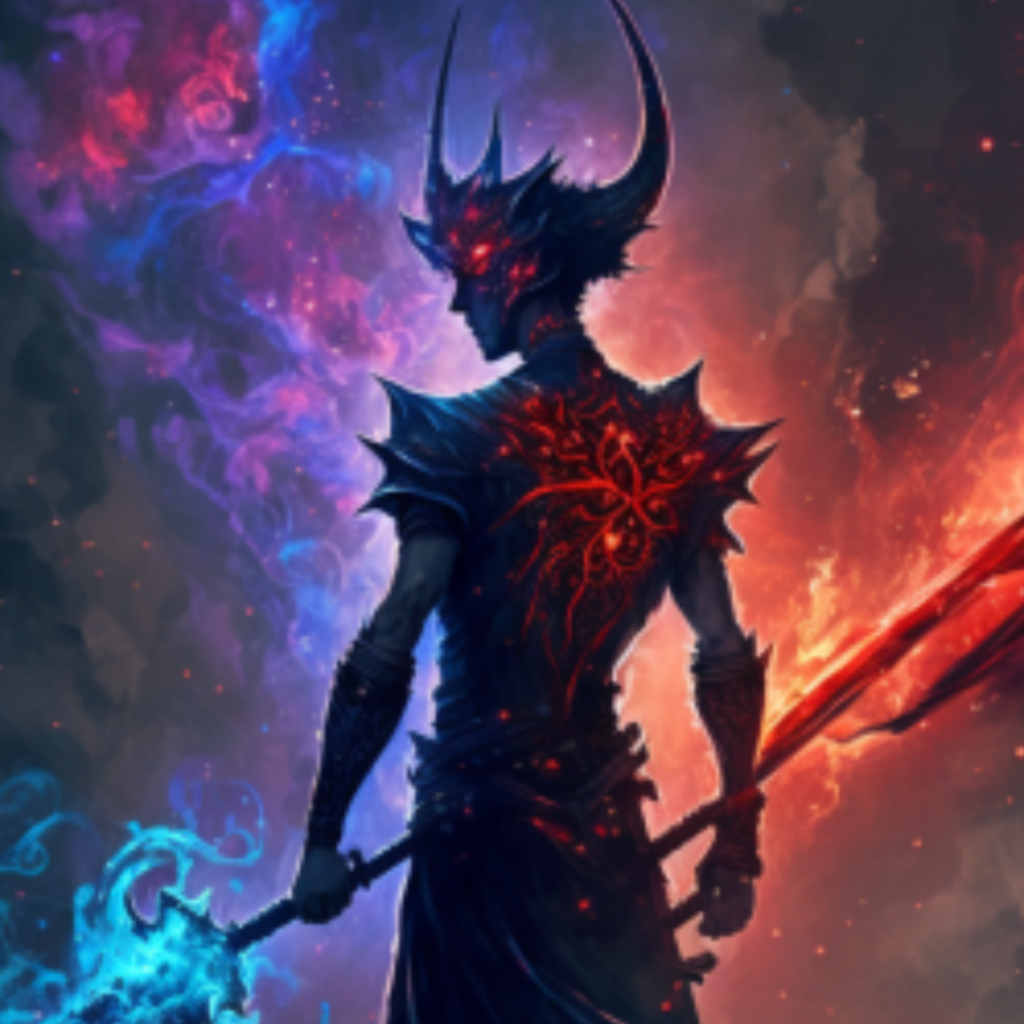
Monster animation is entering a groundbreaking era in 2025. What once depended heavily on manual artistry, clay modeling, and frame-by-frame animation is now powered by advanced AI, real-time rendering engines, hyper-real CGI simulations, and next-gen VFX pipelines. Modern audiences want creatures that feel alive—emotionally expressive, physically believable, and visually stunning. This dramatic rise in expectations has pushed the animation industry into a technological revolution. In 2025, monster animation is no longer about creating “scary creatures.” It’s about building intelligent beings that interact with environments, respond to characters, and emotionally engage viewers. This blog explores the biggest tech-driven monster animation trends dominating 2025, revealing how tools, innovations, and workflows are redefining creature-based storytelling across filmmaking, OTT platforms, gaming, and immersive digital worlds. 1. AI Is Reshaping the Entire Monster Animation Pipeline Artificial Intelligence is the backbone of monster animation in 2025. It enhances creativity, reduces production time, and gives animators unprecedented control over complex creature behavior. 1.1 AI-Powered Creature Rigging & Auto-Retargeting AI automates the most challenging part of monster animation: building rigs for unnatural proportions. Whether a creature has 4 legs, 12 tentacles, multiple wings, or floating appendages—AI generates: muscle systems joint rotations secondary movement behavior physics-based constraints This reduces weeks of manual rigging to hours. 1.2 AI Motion Prediction for Realistic Movement Instead of animators sculpting every movement, AI predicts: how a giant monster’s weight shifts how wings react in strong wind how claws grip surfaces how multi-limbed creatures walk This creates lifelike animation rooted in physics and anatomy. 1.3 AI-Driven Emotion Simulation Advanced AI tools analyze human emotion datasets and apply them to monsters: subtle eye movements micro facial expressions ear flicks breathing patterns Even terrifying creatures now display personality, fear, anger, or sadness. 2. Hyper-Real VFX: The New Standard for Monster Animation in 2025 Hyper-real VFX is one of the strongest monster animation trends today. Modern audiences expect monsters to look shockingly real—from skin pores to saliva strands, from fur density to infrared glow patterns. 2.1 Real-Time Skin Shading and Subsurface Scattering Monster skin is now layered with: blood flow simulations heat maps muscle elasticity moisture effects Subsurface scattering helps light penetrate the skin and bounce naturally, producing a realistic organic glow. 2.2 Advanced Fur, Scales, and Particle Systems Technologies like XGen, Houdini Grooming, and AI-enhanced particle engines create: ultra-detailed fur movement scale reflections dust displacement during movement dynamic shadow behavior Each strand and scale responds to physics and environmental interaction. 2.3 VFX for Environmental Interaction Monsters don’t just exist—they affect the world around them: water splash simulations ground deformation atmospheric dust plant displacement building destruction physics Hyper-real environmental VFX makes the creature feel “present” on screen. 3. Unreal Engine 5 Is Transforming Monster Animation Globally Unreal Engine 5 is a major force behind high-quality monster animation in 2025. 3.1 Nanite for Infinite Monster Detail Nanite virtualized geometry allows creators to build monsters with: millions of polygons microscopic skin details cinematic-level shading And all of it is rendered in real-time. 3.2 Lumen for Hyper-Real Global Illumination Lumen lighting reacts dynamically: glowing monster eyes radiant lava-based creatures bioluminescent underwater monsters Real-time lighting enhances realism drastically. 3.3 Real-Time Rendering = Faster Production Films, OTT series, and games no longer wait weeks for rendering.Real-time engines cut 70–90% render time. It’s a complete revolution in efficiency. 4. Motion Capture & Creature Performance Take Center Stage In 2025, MoCap is not just capturing human performance—it’s capturing creature performance. 4.1 Creature Suits & Multi-Limb Extensions Actors now wear: padded creature suits tail extensions limb trackers facial capture masks This lets performers mimic monster posture, movement, and behavior. 4.2 Hybrid Performance: Human + AI The animation pipeline blends: human raw motion AI smoothing procedural secondary motion This technique creates monsters that feel organic, unpredictable, and cinematic. 5. Procedural Animation for Monsters: The Future of Automated Movement Procedural animation is dominating monster creation in games and film. 5.1 Terrain-Adaptive Monster Movement Procedural systems automatically adjust monster movements depending on: steep slopes rocky terrain muddy paths underwater zones forests and caves Animators no longer animate every footstep manually. 5.2 Adaptive Attack & Defense Behavior for Games AI-powered procedural techniques help monsters: learn player behavior change attack patterns adapt to threats evolve fighting styles This makes game monsters intelligent and lifelike. 6. Virtual Production: Monsters in Immersive LED Worlds Virtual production technology is changing monster filmmaking. 6.1 LED Volume Sets Actors perform inside giant LED screens displaying: forests mountains alien planets underwater worlds Monsters are inserted digitally with accurate lighting and reflections. 6.2 Better Actor Interaction Actors see the environment instead of green screens, improving: reactions timing emotional performance This boosts monster believability. 7. Deepfake & Neural Rendering in Monster Animation Neural rendering is one of the hottest 2025 trends. 7.1 Deepfake for Monster Faces AI can replace face rigs with deepfake-style expressions, giving monsters: extreme realism fluid transitions natural facial storytelling 7.2 Neural Rendering for Instant CGI Output Neural networks generate CGI frames instantly, reducing render time drastically. 8. Monster Animation in Gaming, VR & Metaverse Monster animation is exploding beyond film. 8.1 VR Monster Encounters Players experience: giant Kaiju attacks underground monster lairs supernatural creatures close-up environmental destruction High-fidelity VR brings monsters to life. 8.2 AR Monsters in Real Spaces AR-based monsters appear: in living rooms at events on smartphones in theme parks These experiences are powered by real-time AI animation. 9. The Rise of AI Creature Generators 2025 introduces AI tools that create monsters from text prompts. You type: A giant reptile with lava veins, armored wings, and three glowing eyes. AI generates: 3D model texture layers early rig version concept animation This reduces early production time by 80%. 10. Hyper-Real Sound Design for Monster Animation Sound is half the experience. 2025 sound innovations include: AI voice modeling for monster roars procedural breathing simulations multi-layered footsteps echo-based environmental sound Sound enhances visual realism. Conclusion Monster animation in 2025 is more technologically advanced than ever.AI-driven rigging, hyper-real VFX, procedural animation, real-time rendering engines, and immersive virtual production have collectively changed the animation landscape. Creators
Why Monster Animation Is Evolving Fast in 2025: The Tech Innovations Behind the Hype
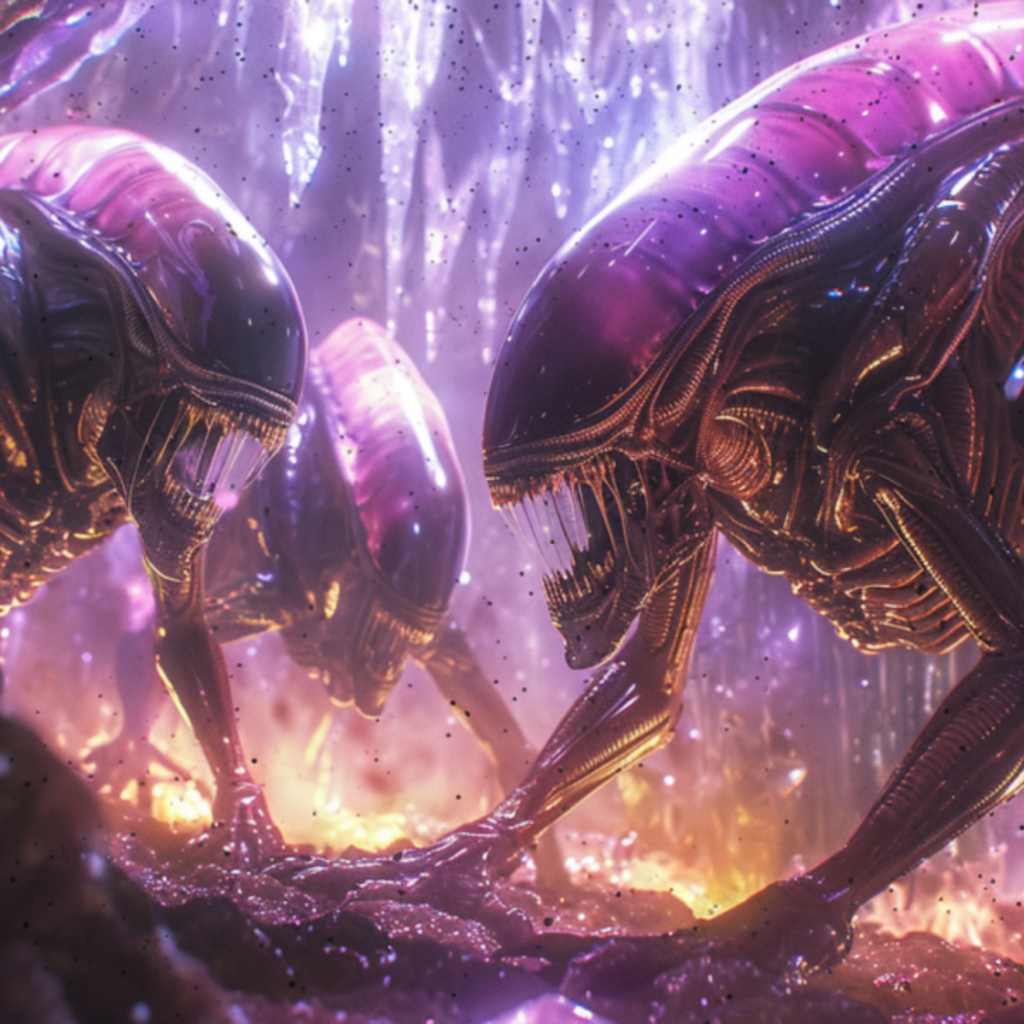
Monster animation has always been one of the most fascinating and visually powerful genres in entertainment, but 2025 marks a turning point like never before. The world of movies, OTT shows, gaming, and virtual experiences is witnessing a massive evolution where monsters are no longer just visual spectacles—they are becoming smarter, more realistic, emotionally expressive, and technologically enhanced. From AI-powered creature rigs to hyper-realistic CGI ecosystems, today’s monster animation is fueled by cutting-edge tools that were unimaginable a decade ago. This transformation is reshaping what audiences expect and what creators can achieve, making 2025 one of the most revolutionary years for monster animation technology. In this deep-dive blog, we’ll uncover how monster animation is evolving fast, the innovations behind its growth, and the future possibilities waiting ahead. This is your complete guide to monster animation trends, animation technology breakthroughs, and the future of monster animation in 2025. 1. The Big Shift: Why Monster Animation Is Booming in 2025 Monster animation is trending more than ever because today’s audiences crave visually intense, larger-than-life experiences. With the rise of OTT platforms, global streaming content, interactive games, and virtual worlds, creators need monsters that feel alive, terrifying, and believable. Several major factors fuel this 2025 boom: ✔ AI-driven VFX and animation tools AI reduces months of manual animation to days, helping studios create complex monster movement, skin textures, and expressions quickly. ✔ Real-time rendering engines (Unreal Engine 5) Real-time engines bring instant results, allowing animators to preview monsters with full lighting, shadows, fur effects, and environmental interactions. ✔ Demand from gaming and metaverse platforms Monster-based games dominate global charts, pushing creators to design more intelligent and reactive creatures. ✔ Audience love for supernatural worlds From Kaiju-style giants to mythical demons, monster animation appeals to all age groups, making it a profitable genre. This growth isn’t accidental—it’s powered by groundbreaking technology. 2. AI Is the New King: How Artificial Intelligence Transforms Monster Animation In 2025, AI is the backbone of modern monster animation. AI doesn’t replace animators—it empowers them with tools that automate repetitive tasks and open new levels of creativity. The biggest impact is seen in three areas: 2.1 AI-Assisted Creature Rigging Earlier, monster rigs took weeks of manual effort. Today: AI auto-builds rig skeletons Predicts natural movements (crawling, flying, slithering, roaring) Adjusts muscle deformation This dramatically speeds up production and enhances realism. 2.2 AI for Emotion & Facial Animation Monsters are no longer expressionless.AI tools like Ziva Dynamics, DeepMotion, and Disney’s AI facial capture help: add micro-expressions animate subtle breathing create eye and jaw movements synchronize monster reactions with dialogue or growls This helps even terrifying monsters feel emotionally complex and more human-like when needed. 2.3 AI Texture & Skin Simulation Monsters have scales, fur, spikes, wings, glowing textures—and AI handles all of it.AI generates: ultra-detailed skin cracks dynamic shifting scales real-time fur movement organic skin stretching The result? Creatures look vivid, alive, and cinematic. 3. Unreal Engine 5: The Game-Changer for Monster Animation Unreal Engine 5 is one of the biggest reasons why monster animation looks drastically different in 2025. Nanite Technology Creates infinite geometry detail, allowing gigantic monsters with tiny skin details visible even up close. Lumen Lighting Makes monster environments realistic with dynamic shadows and live reflections. High FPS Real-Time Output Reduces rendering time by 80–90%. This engine is now used for: Movies & OTT series Game cutscenes Virtual production Immersive VR monster experiences It’s not just a tool; it’s a revolution. 4. Advanced CGI and Hyper-Real Physics for Monster Movement 2025 monster animation relies heavily on next-gen CGI physics. ✔ Soft-body simulation for muscles Muscles ripple and flex realistically during movement. ✔ Procedural animation Monsters automatically adjust movement based on terrain—rocks, mud, water, or snow. ✔ Dynamic limb behavior Large creatures maintain weight balance; small monsters move swiftly and unpredictably. ✔ Water & environmental interaction When a monster walks through water or fog, every ripple and particle reacts accurately. These physics-driven details enhance storytelling and immersion. 5. Motion Capture & Creature Performance: Humans Become Monsters Motion capture (MoCap) is now more advanced and more creature-focused. Human performers now act out monster movements Actors equipped with mocap suits crawl, stomp, jump, and snarl to bring monsters to life. Hybrid MoCap + AI animation blends the best of both worlds: Human creativity Machine precision This combination produces fluid, organic, and believable monster movements. 6. Virtual Production: Monsters Inside LED Walls Virtual production is one of the hottest monster animation trends in 2025. Filmmakers use LED screens to create real landscapes where actors perform alongside digital monsters.Real-time 3D environments help: achieve perfect lighting reduce post-production improve actor performance simplify integration with monsters This approach revolutionizes monster-based filmmaking. 7. The Rise of Monster Animation in Gaming & XR Worlds Gaming, VR, AR, and the metaverse rely heavily on monster animation. Why? Because monsters create challenge, excitement, and unpredictability. 2025 trends include: AI-controlled monster intelligence Real-time adaptive monsters that learn player behavior XR monster encounters in immersive spaces Ultra-real Kaiju battles in virtual reality Gaming is becoming a prime driver for new monster animation innovation. 8. 3D Printing + Animation: Monsters You Can Physically Touch Studios now 3D print: monster models creature prosthetics miniature sets This helps animators study realistic shapes, textures, and anatomy. It creates a seamless blend between digital and physical monster creation. 9. Audience Expectations Are Pushing Creators to Innovate Faster Viewers want: bigger monsters more realistic details smarter creature behavior emotional depth immersive world-building Today’s audience is highly tech-aware.If the monster looks fake, they instantly notice. This pressure motivates studios to adopt the latest technologies rapidly. 10. The Future of Monster Animation: What’s Coming After 2025? The growth doesn’t stop here.The future looks even bigger, bolder, and more unreal. Predicted future trends: ✔ Fully AI-generated monsters from text prompts✔ Monsters with autonomous personalities✔ Holographic monsters for concerts and theme parks✔ Real-time creature creation tools for filmmakers✔ Neural rendering for instant hyper-real CGI✔ Monsters interacting with humans in AR lenses The future of monster animation is limitless. Conclusion Monster
Top Monster Animation Trends in 2025: How Technology Is Transforming Modern Entertainment
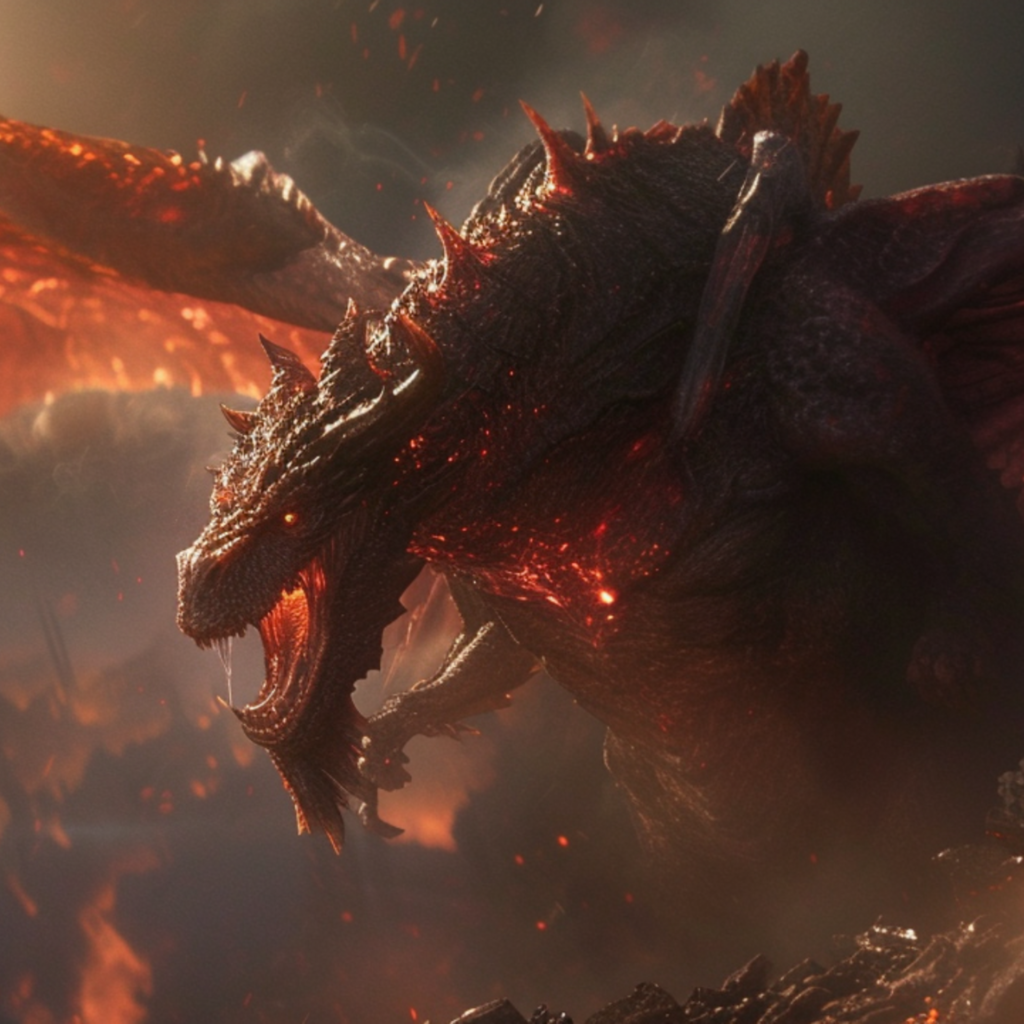
The world of animation is evolving faster than ever, and 2025 marks a revolutionary point for studios, creators, and fans. Among all genres, monster animation has seen the most dramatic transformation. From terrifying beasts to emotionally expressive creatures, monsters are no longer just background villains—they are central characters crafted with advanced technology. This shift is driven entirely by the rising monster animation trends 2025, where AI, VFX, real-time rendering, and motion capture redefine how animated creatures are conceived and brought to life. Whether you’re a filmmaker, animation student, content creator, or simply a fan of creature design, understanding these 2025 trends is crucial. This detailed blog explores exactly how technology is pushing monster animation into a new era — blending creativity, science, performance, and cutting-edge digital tools. The Rise of Monster Animation in 2025 One of the main reasons monster content is booming is the audience’s demand for immersive, visually stunning, and emotionally engaging storytelling. Movies, OTT platforms, gaming studios, and VR creators all invest heavily in creature-based stories. From cinematic universes to indie horror games, monsters have become cultural icons—representing fear, power, fantasy, and imagination. But what makes 2025 different? Technology. Every stage of creature creation—from concept art to final rendering—has been upgraded. What once took months can now be done in days, and what once looked unrealistic now appears lifelike. This intersection of tech and creativity forms the core of monster animation trends 2025. Let’s explore each major trend shaping the future of monster animation. 1. AI-Driven Monster Creation Becomes the Creative Foundation Artificial Intelligence is now a core part of monster animation workflows in 2025. Instead of manually sketching every variation, artists use AI tools for idea generation, anatomical exploration, and creature morphology. How AI Is Transforming Monster Design AI generates hundreds of unique creature concepts in minutes. Artists can explore different versions of the same monster—wings, claws, textures, color patterns, posture, and scale. AI-powered predictive design suggests more realistic anatomies based on physics and biology. Hybrid AI tools allow blending animal traits with fantasy elements. This shift saves enormous time during pre-production and supports more imaginative designs. Why This Is Key to Monster Animation Trends 2025 AI enhances creativity, not replaces it. Human artists make creative decisions, while AI speeds up ideation. This synergy is why AI-driven design has become a primary pillar in 2025’s monster animation industry. 2. Hyper-Realistic VFX Pushes Creature Believability VFX has advanced quickly, but 2025 takes realism to another level. Modern monsters have incredibly detailed textures—wrinkled skin, pores, veins, scars, drool, glossy eyes, and translucent membranes. What’s Driving Hyper-Realism in 2025? Real-time ray tracing gives accurate lighting, shadows, and reflections. GPU-powered simulations create lifelike muscle movement. High-resolution scanning enhances skin textures and environmental detail. Hybrid VFX pipelines mix CGI and practical effects for grounded realism. Audiences demand visual accuracy, especially in fantasy or horror settings. Even giant creatures must feel physically present—heavy footsteps, skin vibrations, dust impact, and environmental interactions. Impact on Modern Entertainment Whether it’s a streaming series or a blockbuster, hyper-realistic monsters keep viewers emotionally hooked. This VFX boom is one of the strongest monster animation trends 2025, influencing films, ads, VR games, and cinematic trailers. 3. Motion Capture Becomes More Emotional and Intelligent Motion capture has long been used for creature movement, but 2025 introduces advanced micro-expression capture that records even the smallest facial details. New Improvements in 2025 Motion Capture: Captures over 1000+ facial points. Tracks tiny eye movements, cheek tension, nostril flares, and jaw muscles. Body suits now read muscle pressure and weight balance. Hybrid MoCap blends human actors with fictional creature anatomies. This allows monsters to show: anger fear confusion sadness curiosity humor Emotionally expressive monsters build deeper storytelling connections with the audience. This Trend’s Importance This evolution means monsters are no longer one-dimensional threats—they are fully developed characters capable of emotional arcs. This makes MoCap essential to monster animation trends 2025. 4. Virtual Production and Real-Time Rendering Virtual production is one of the most disruptive changes in filmmaking. LED walls, dynamic backgrounds, and real-time rendering tools like Unreal Engine let directors see monsters directly on set. Why Virtual Production Matters Actors interact more naturally with creatures. Directors can adjust lighting, size, color, or movement instantly. It reduces dependency on heavy post-production. Real-time rendering shows polished visuals during shooting. This trend creates a seamless blend between live-action and CGI monsters. How It Affects Monster Animation It speeds up production, lowers costs, and delivers more accurate creature integration—making virtual production a top driver of monster animation trends 2025. 5. Immersive Monster Experiences in AR & VR Fans don’t just want to watch monsters anymore—they want to experience them. AR and VR innovations allow full interaction with digital creatures. Examples of 2025 AR/VR Monster Applications VR horror games featuring AI-driven monsters that adapt to your behavior. AR monster battles that appear in real-world surroundings. Virtual theme parks with interactive creatures. Mixed reality experiences for education and entertainment. AR/VR monsters respond in real time, making the experience more frightening, exciting, or emotional. Why This Matters This trend expands monster animation beyond screens, turning creatures into interactive entities. With the rise of immersive entertainment, AR and VR heavily influence monster animation trends 2025. 6. Procedural Animation for Natural, Unpredictable Movement Procedural animation generates natural monster movements based on physics and AI rules rather than manual keyframes. What Makes Procedural Movement Essential in 2025 Monsters react dynamically to terrain, obstacles, and weather. Tail, wing, claw, and muscle movements adjust automatically. AI predicts behaviors based on mood or environment. This gives monsters lifelike unpredictability—very important for realism. Key Benefit Monsters behave like biological creatures, not programmed animations. This authenticity is one of the most fascinating monster animation trends 2025. 7. Cross-Media Monster Universes & Franchises In 2025, creators are building extended monster universes across: films gaming comics streaming series VR experiences merchandise Why This Trend Is Rising Fans want deeper worlds and lore. Studios benefit from long-term franchise value. Cross-media storytelling provides revenue across platforms. Successful universes create iconic monsters