
Blending AI and Creativity: The Ultimate Guide to Animation Trends in 2025
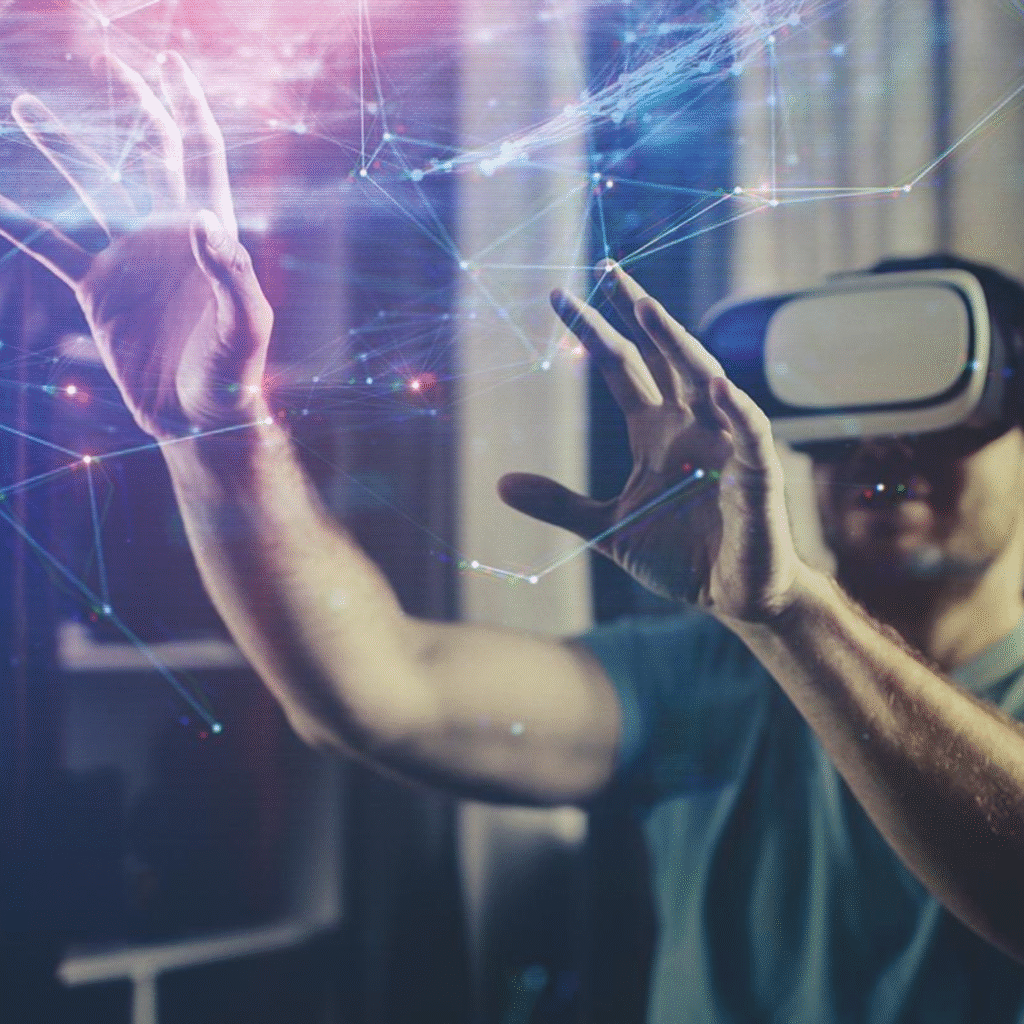
Animation in 2025 is entering a transformative phase where artificial intelligence (AI) and human creativity converge to create stunning visual experiences. AI is no longer a supporting tool—it has become integral to animation workflows, helping animators automate repetitive tasks, generate realistic motion, and enhance storytelling. At the same time, creative vision remains essential for designing compelling characters, environments, and narratives. This blog dives deep into how AI is shaping animation trends, the skills animators need to thrive, and actionable strategies for building a future-proof career. Whether you are a student, freelancer, or studio professional, understanding this blend of technology and creativity is key to success in 2025. Key AI-Driven Technologies Shaping Animation AI-Assisted Animation Tools Artificial intelligence can handle repetitive tasks, such as in-betweening frames, automating lip-sync, and predicting motion paths. Animators who leverage AI can focus on higher-level creative decisions, improving both efficiency and output quality. Procedural Animation and Machine Learning Machine learning algorithms enable procedural animation, generating realistic character movements based on physics and prior data. This reduces manual effort and opens new possibilities for dynamic, interactive animations in games, films, and VR/AR projects. AI in Real-Time Rendering AI-powered rendering techniques are revolutionizing animation pipelines. Real-time engines like Unreal Engine now use AI to optimize lighting, shadows, and textures instantly. Animators can preview changes immediately, which accelerates production timelines and enhances experimentation. Virtual and Augmented Reality Integration AI is enhancing VR/AR animation by providing intelligent behavior for interactive characters and environments. Animators can now simulate natural reactions and interactions, creating more immersive and lifelike experiences. AI-Powered Collaboration Tools Cloud-based AI tools facilitate remote collaboration by automatically syncing changes, detecting errors, and suggesting optimizations. Teams can work on large-scale projects without compromising efficiency or quality. Creative Skills That Complement AI Storytelling and Narrative Design AI cannot replace human imagination. Strong storytelling skills are essential for crafting engaging plots, emotional arcs, and compelling characters that resonate with audiences. Character Design and Emotion Expression AI can simulate motion, but animators must design characters with depth, personality, and expressive behaviors. Combining AI with creative input ensures characters are believable and engaging. Adaptive Creativity for Emerging Platforms With VR, AR, and interactive media growing rapidly, animators must think beyond traditional screens. Creative problem-solving is crucial for developing immersive experiences that captivate audiences. Career Opportunities with AI-Enhanced Animation Hybrid Animators Studios seek animators who can merge AI skills with creativity. Hybrid animators handle both technical AI workflows and artistic design, making them highly valuable in 2025. Game Design and Interactive Media AI-enhanced animation is revolutionizing gaming, enabling real-time character responses and dynamic environments. Animators proficient in AI tools and creative design are in high demand. Virtual Production and Film Virtual production uses AI for pre-visualization, camera tracking, and virtual character behavior. Animators skilled in AI-driven workflows contribute to faster, higher-quality productions. Freelance and Remote Work AI-powered tools reduce the need for large teams, enabling freelancers to produce high-quality animations efficiently. Professionals can collaborate globally and take on complex projects independently. Preparing for an AI-Centric Animation Industry Learn AI Tools and Software – Master AI-assisted animation software, real-time engines, and procedural animation platforms. Build a Hybrid Portfolio – Include projects showcasing both technical AI integration and creative design skills. Stay Updated with Emerging Trends – Follow industry news, attend webinars, and participate in workshops on AI animation. Collaborate and Network – Join communities, share work, and engage with professionals to expand opportunities. Experiment with VR/AR and Interactive Media – Develop projects in immersive platforms to showcase adaptive creativity. Conclusion AI and creativity together are redefining animation trends in 2025. Animators who embrace AI-assisted tools, real-time rendering, procedural animation, and immersive media will gain a competitive edge. However, creativity, storytelling, and character design remain irreplaceable. A future-ready animator blends technical knowledge with artistic vision, continuously updates skills, and explores innovative technologies. By understanding and integrating AI into the creative workflow, professionals can thrive in this dynamic industry, delivering immersive experiences that captivate audiences worldwide. Frequently Asked Questions (FAQs) Q1: How is AI changing the animation industry in 2025?AI is automating repetitive tasks, enhancing motion realism, enabling procedural animation, and supporting real-time rendering, which allows animators to focus more on creative storytelling. Q2: Do animators need programming knowledge for AI integration?Basic scripting and understanding of AI-driven workflows help animators customize processes and maximize AI tools effectively. Q3: Which careers benefit most from AI in animation?Hybrid animators, game designers, VR/AR specialists, and virtual production professionals are highly in demand due to AI integration. Q4: Can AI replace creative skills in animation?No. AI complements technical tasks but cannot replicate human creativity, storytelling, and emotional design in characters or narratives. Q5: How can animators stay competitive in 2025?By mastering AI tools, continuously learning emerging technologies, building a diverse portfolio, and combining creativity with technical expertise.