
Inside the VFX Lab: How 2025’s Technology Is Building Ultra-Real Monster Worlds
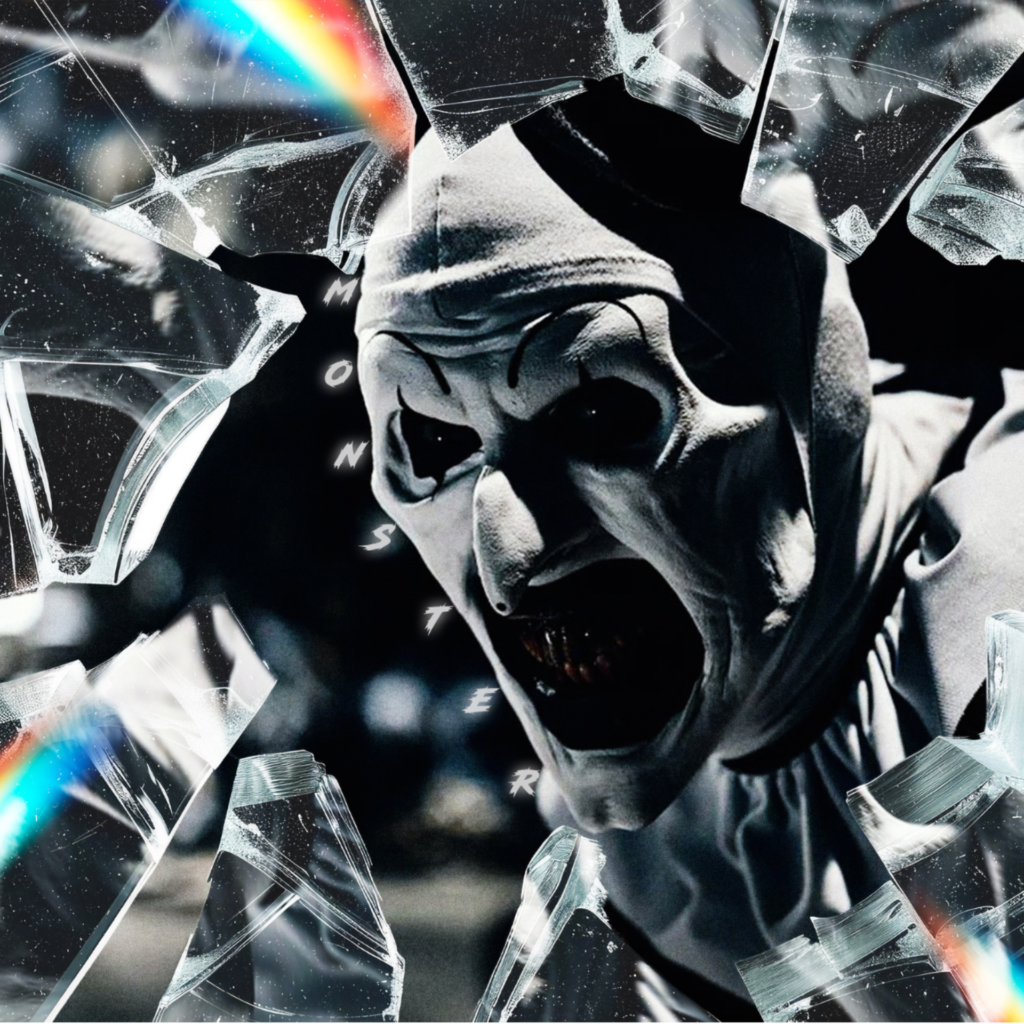
The evolution of monster animation in 2025 owes much to the incredible advancements in visual effects (VFX). The modern VFX lab is no longer just a post-production studio—it is a creative ecosystem where digital monsters are sculpted, animated, and brought to life with unparalleled realism. From sprawling cinematic universes to immersive gaming worlds, VFX technology now defines how audiences experience monsters. In 2025, VFX teams combine AI, real-time engines, hyper-real textures, procedural animation, and environmental simulations to create digital monsters that interact seamlessly with their surroundings. These ultra-real monsters are no longer static characters—they breathe, move, and respond in ways that mimic life itself, delivering experiences that captivate and immerse audiences. AI Is the Engine Behind Realistic Monster Behavior Artificial Intelligence has become the cornerstone of modern VFX labs. In 2025, AI systems automate complex processes such as procedural rigging, motion prediction, and facial expression mapping. This allows animators to focus on creativity rather than repetitive technical tasks. Key AI advancements include: Adaptive creature movement Emotion-driven facial expressions Realistic limb articulation for complex anatomies Intelligent environmental interactions This AI-driven workflow ensures monsters feel alive and respond to their worlds with astonishing realism. Hyper-Real Textures and Materials Bring Monsters to Life One of the hallmarks of 2025 VFX is hyper-realistic surface detail. Advanced texture generation tools simulate: Skin elasticity and pores Scale patterns and fur dynamics Blood vessels, scars, and blemishes Subsurface scattering for translucent surfaces AI-assisted texture mapping predicts how surfaces react under various lighting conditions. This level of detail gives monsters a tactile, living quality, enhancing believability and immersion. Real-Time Rendering Speeds Up Monster Production Real-time rendering engines like Unreal Engine 5 are revolutionizing the VFX pipeline. Animators can now see lighting, texture, and motion updates instantly, eliminating the long waits of traditional rendering. Real-time VFX allows: Faster iteration and design testing Complex environmental interactions Realistic shadows, reflections, and volumetrics Seamless integration with VR and AR platforms For monster-heavy projects, this technology reduces production timelines while increasing visual fidelity. Procedural Animation Creates Dynamic and Adaptive Monsters Procedural animation is now standard in VFX labs. Monsters can move dynamically, adapting their gait, limb movements, and posture based on environmental constraints. Advantages of procedural animation include: Realistic reaction to terrain Adaptive motion in response to physical forces Unique behaviors for repeated actions Interaction with other creatures and humans This makes each encounter with a monster feel unique and unpredictable, enhancing engagement in films and games. Environmental Simulation Enhances Creature Realism VFX labs no longer isolate monsters—they exist in reactive worlds. Advanced simulations model: Ground deformation from monster weight Dust, water, and debris interaction Vegetation movement Fire, smoke, and fluid interactions These simulations ensure that monsters leave a tangible impact on their surroundings, making them feel integrated rather than superimposed. Facial Animation Systems Deliver Emotional Depth Hyper-realistic monster faces are now possible thanks to AI-powered facial rigs. These systems capture: Muscle dynamics Eye micro-expressions Subtle breathing movements Emotional responsiveness Facial animation is crucial for storytelling, as it allows monsters to communicate emotions and intentions, making them relatable despite their alien forms. Motion Capture and AI Fusion for Complex Creatures Motion capture in 2025 combines with AI to handle creatures with multiple limbs, wings, tails, or unconventional anatomies. The system predicts motion for extra appendages, balance, and interaction with the environment. Hybrid mocap and AI systems: Preserve the nuances of human performance Extend realism to non-human anatomy Reduce manual cleanup for animators Allow real-time previews during production This fusion creates monsters that move fluidly and naturally, no matter how fantastical their design. Lighting and Shadows Are Key to Immersion Lighting plays a critical role in ultra-real monster worlds. Advanced global illumination engines simulate how light interacts with skin, fur, scales, and environment. In 2025 VFX labs: Volumetric lighting enhances atmosphere Shadow accuracy reflects monster scale and positioning Dynamic light sources adjust automatically with monster movement Bioluminescence and reflective surfaces look lifelike Proper lighting ensures that monsters blend seamlessly with their surroundings, enhancing the believability of each scene. Virtual Production Integrates Monsters With Live Action Virtual production has become integral in 2025, allowing monsters to be inserted into live-action scenes in real time. LED volumes, camera tracking, and previsualization enable: Instant adjustments to lighting and movement Realistic integration with actors On-set performance optimization Dynamic environmental feedback Monsters now coexist with human performers in a way that feels natural, improving cinematic realism. VR and AR Applications Expand Monster Experiences VFX labs are also pushing monsters into VR and AR experiences. Interactive monsters appear in virtual worlds, respond to user actions, and create engaging, immersive experiences. Applications include: VR exploration games AR educational tools Mixed-reality theme park attractions Mobile AR storytelling This crossover between cinematic VFX and immersive technology is redefining how audiences perceive and interact with monsters. Sound Design Complements Visual Realism In ultra-real VFX monster worlds, audio is as critical as visual fidelity. AI-driven sound design ensures that: Roars, footsteps, and breathing respond to the environment Sound effects sync with monster movements Emotional cues are amplified through spatial audio Interactive audio changes based on user perspective Combined with hyper-real visuals, immersive sound makes monsters feel present and alive. Conclusion The VFX lab of 2025 is a hub of innovation where technology and creativity converge to build ultra-real monster worlds. AI, real-time rendering, procedural animation, advanced textures, environmental simulation, and virtual production enable monsters to interact naturally with their surroundings, deliver emotional depth, and engage audiences like never before. The rise of VFX monster animation 2025 is setting new industry standards, transforming storytelling, and redefining the possibilities of digital creature creation. With every technological advancement, monsters are evolving into dynamic, intelligent, and immersive beings, making 2025 a pivotal year for creature animation. FAQs 1. What defines ultra-real monster worlds in 2025? Advanced VFX techniques including AI, real-time rendering, procedural animation, and environmental simulation create highly realistic monster experiences. 2. How does AI improve monster animation? AI enables adaptive movement, intelligent interactions, facial emotion mapping, and texture prediction, enhancing realism and immersion. 3. What role