
2025 Monster Animation Revolution: How Advanced Tech Is Redefining Creature Design
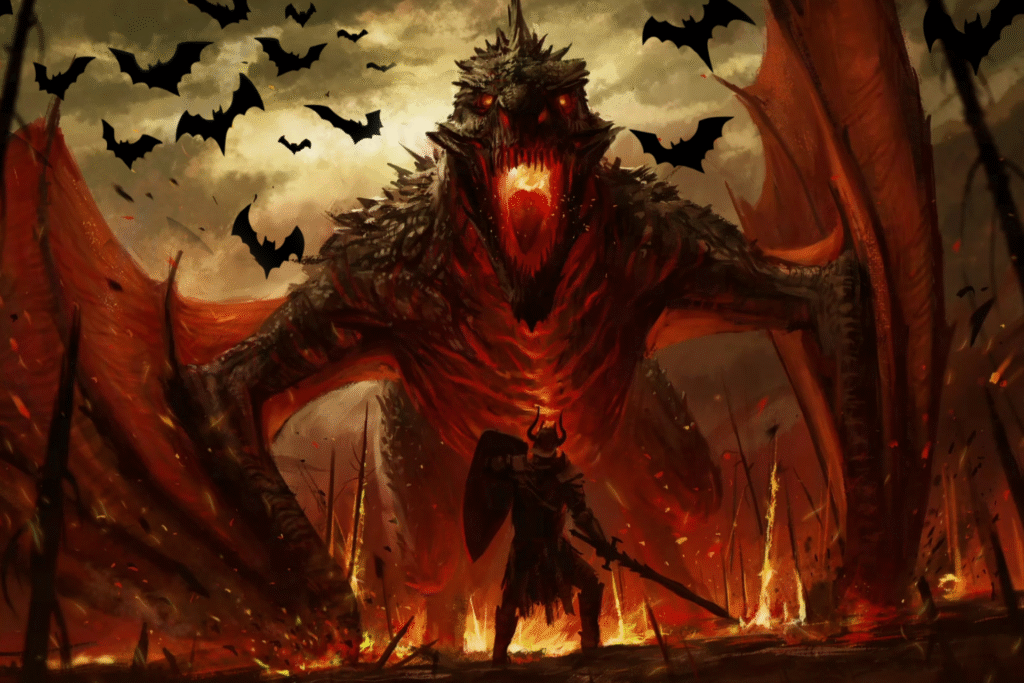
The world of monster animation is undergoing a dramatic transformation in 2025. From AI-powered procedural movement to hyper-real VFX simulations and real-time rendering engines, modern creature design has evolved far beyond traditional CGI. Today’s audiences demand monsters that feel alive—not just visually stunning but emotionally expressive, anatomically believable, and deeply integrated into their environments. This technological revolution is pushing animators, VFX artists, and production studios toward workflows that merge science, computing power, and creative imagination. The result? Creatures that look, move, sound, and behave more authentically than ever before. Below, you’ll discover how advanced technology is redefining monster animation and creature design in 2025—setting bold new standards for films, OTT content, gaming, AR/VR, and virtual production. The Rise of AI-Driven Monster Animation Pipelines AI has become the backbone of modern creature creation. In 2025, animation teams rely heavily on machine learning to speed up complex tasks and bring realism to monster physiology. AI tools now handle: autonomous rig generation predictive motion behavior simulated muscle dynamics automatic weight painting intelligent facial expression mapping What once took weeks of manual work is now completed in minutes. AI for Anatomical Accuracy and Creature Blueprinting Modern AI systems analyze real biological models—from reptiles to aquatic animals—to generate realistic muscle systems, bone structures, weight distribution, and even digestion-based body shape changes. For example, if a creature has six arms or magma-filled veins, AI automatically: assigns bending limits simulates realistic weight predicts posture and movement enhances deformers during animation This makes physically impossible creatures feel scientifically plausible. AI-Enhanced Emotion Systems for Monster Faces The emotional evolution of monster characters is a major highlight of 2025. AI blends human datasets with creature-specific features to produce: subtle brow tension micro-expressions reactive pupil dilation breathing rhythm changes vocal-resonance animation This helps viewers emotionally connect with non-human characters—crucial for films and games centered around creature-driven storytelling. Hyper-Real VFX: The New Standard of Monster Realism Hyper-realism is no longer optional—it’s expected. VFX technology now allows artists to craft monster details with microscopic accuracy. Key hyper-real upgrades include: subsurface scattering on thick skin moisture-based specular highlights dynamic scale reflections fluid-based saliva simulation high-density fur motion using physics layers These detailed layers make creatures visually shocking on screen. Next-Generation Skin, Fur & Scale Simulation Tools like Houdini, Ziva Dynamics, and XGen have introduced powerful physics-based simulation systems. They allow animators to create: multi-layered skin reactions reactive fur flow during wind or speed scale shedding pressure-based deformation patterns monster sweat and oil maps The result is a creature that looks biologically active and environmentally responsive. Environment Interaction: The Key to Believability In 2025, monsters aren’t just animated—they interact authentically with the world around them. Advanced VFX enables interactions like: ground cracking under monster weight dust plumes during sharp movements water displacement from massive bodies vegetation bending or breaking building destruction physics When creatures alter the environment, their presence feels real and immersive. Unreal Engine 5 and Real-Time Rendering Are Changing Everything The introduction of Unreal Engine 5 has accelerated monster animation by reducing rendering time drastically while enhancing detail. UE5 tools now power: cinematic monster fights real-time creature shading dynamic lighting for glowing or bioluminescent monsters instant previews for animators Real-time rendering has cut production timelines by nearly 80%. Nanite for Ultra-High Detail Creature Models Nanite geometry enables animators to work with billions of polygons efficiently. Monster creatures can now be sculpted with: fine skin cracks muscle fibers tiny embedded veins chipped claws scar layers pollen or dust particles on skin All rendered flawlessly in real-time. Lumen Lighting Adds Cinematic Depth to Monster Shots Lumen simulates complex global illumination. It enhances monster visuals by producing: realistic reflections on wet scales glowing eyes with volumetric scattering accurate light bounce during explosions atmospheric fog illumination This adds emotional and visual richness to creature scenes. Motion Capture Evolved: Creature Performance Capture 2025 introduces hybrid creature MoCap systems combining: human performance predictive AI motion physical feedback extended limb capture Actors wear multi-limb suits with sensors on tails, wings, tentacles, or extra arms—allowing them to perform creature movement realistically. Facial Capture: Monsters With Authentic Emotions Advanced facial MoCap helps capture: jaw dislocation simulations cheek muscle dynamics stretched facial anatomy alien-like expression combinations These systems blend human expression patterns with creature anatomy to create unique, believable faces. Procedural Animation for Intelligent Monster Movement Procedural animation is revolutionizing monster movement in films and games. In 2025, procedural systems allow creatures to: adapt leg motion to uneven terrain change movement style depending on emotion auto-correct balance in complex environments adjust gait based on weight and surface type This creates real-time behavioral intelligence. Procedural Combat Systems for Gaming Monsters Games now feature monsters that: study player attack patterns counter intelligently adjust aggression levels modify defense strategies evolve abilities as the game progresses This makes gameplay encounters more unpredictable and cinematic. Virtual Production: Monsters in Real Environments Virtual production using LED volumes blends physical sets with digital worlds. Actors perform in environments displaying: forests alien deserts underwater caves monster lairs This allows: accurate lighting on performers realistic reflections natural emotional responses When monsters are added digitally, they match the lighting and environment perfectly. Neural Rendering & Deepfake Tech for Monster Faces Neural rendering is one of 2025’s most groundbreaking monster design tools. It enables: instant face retargeting hyper-real lip-sync deepfake creature dialogues smooth facial deformation This improves emotional storytelling and speeds up post-production. AI Creature Generators: Rapid Monster Concepting A major shift in 2025 is AI-driven creature generation. Artists simply input text prompts like:“A bioluminescent dragon with crystal scales and fog-breathing ability.” AI then produces: 3D model drafts custom texture sets rig suggestions movement presets Concept artists now focus more on refinement and creativity, not repetitive tasks. Monster Animation in VR, AR, and Mixed Reality Experiences Monster animation is expanding into immersive worlds. In VR, users can encounter: full-scale Kaiju dragons flying overhead underwater leviathans In AR, monsters appear in real locations—walking across streets, entering malls, or towering over buildings. In MR, creatures interact with both digital and physical objects. Sound Design Revolution