
From Myth to Metaverse: How Advanced Tech Is Reimagining Monster Lore in 2025
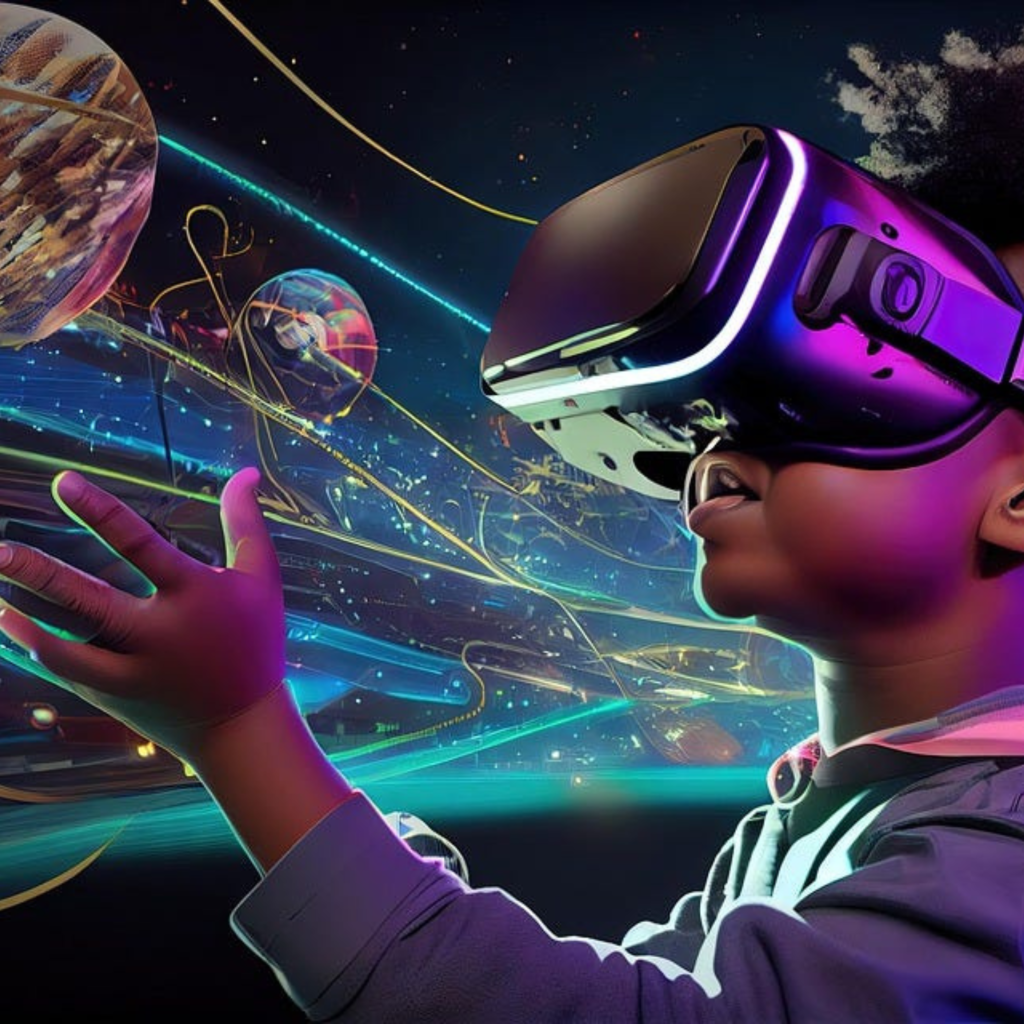
For centuries, monster lore has fueled human imagination—tales of dragons, sea serpents, and legendary beasts have inspired myths, legends, and folklore. But in 2025, technology is reshaping the way these creatures are experienced, studied, and reimagined. The combination of AI, VR, AR, and the metaverse is transforming static myths into interactive, dynamic, and immersive experiences where monsters live, evolve, and interact with audiences in real time. This transformation bridges traditional storytelling with cutting-edge tech, allowing both creators and fans to explore monster lore in ways never possible before. From AI-driven behavior to fully immersive virtual worlds, the past and future of monsters are merging into a new, tech-powered dimension. AI Brings Legendary Monsters to Life Artificial Intelligence is central to reimagining monster lore. AI models analyze centuries of myths, literature, and cultural references to generate creatures that are both authentic to lore and adaptable for modern media. AI-driven monsters can now: Move with believable anatomy React intelligently to environments Express emotions aligned with their mythical origins Interact dynamically with humans and other creatures This allows traditional monsters like dragons, griffins, and krakens to exist in virtual spaces with a level of realism and intelligence that storytelling alone could never achieve. VR and AR Enable Immersive Monster Experiences Virtual and augmented reality have made monster lore tangible. Fans can step inside legendary worlds, observing or even interacting with creatures from myths. VR experiences allow: First-person encounters with towering monsters Exploration of mythical landscapes Interactive combat or cooperation with creatures Environmental storytelling where monsters impact their surroundings AR overlays bring monsters into the real world, allowing users to see mythical creatures walking in their living room, standing in historical landmarks, or interacting with real objects. This level of immersion deepens the connection between myth and modern audiences. The Metaverse Expands Monster Storytelling Universes The metaverse is creating persistent worlds where monster lore lives on continuously. Users can explore entire ecosystems of legendary creatures, interact with them in real time, and contribute to evolving narratives. Key aspects of the metaverse in monster storytelling include: Shared virtual environments across global users Interactive quests and lore discovery Persistent evolution of monsters and ecosystems Cross-platform continuity for gaming, VR, and social experiences In these expansive worlds, mythological creatures are no longer confined to stories—they have agency, behaviors, and communities of their own. Procedural Animation Adds Realistic Creature Behavior Procedural animation is essential for making AI-driven monsters act naturally. Unlike traditional pre-set sequences, procedural systems allow creatures to adapt to: Terrain and environmental conditions Other creatures or players Threats or opportunities Physics-based movements This ensures that even legendary creatures with unconventional anatomies—like multi-limbed demons or flying leviathans—behave realistically, adding depth to interactive lore experiences. Hyper-Real Visuals Merge Myth and Modern Tech Advanced rendering engines create monsters that look as if they stepped out of myth into reality. In 2025, monsters feature: Ultra-realistic textures for scales, fur, or feathers Subsurface scattering for realistic skin and tissue Accurate lighting and reflections for immersive visuals Motion and environmental responsiveness This visual fidelity ensures that traditional mythological creatures feel tangible and lifelike in virtual worlds. AI-Generated Sound Enhances Mythical Presence Audio is critical in bringing monsters to life. AI can generate roars, footsteps, wing flaps, and environmental sounds that match a creature’s size, anatomy, and behavior. Benefits of AI-driven sound: Dynamic audio adapting to user interaction Spatial placement in VR and AR environments Emotional cues aligned with creature personality Integration with environmental effects like water, wind, or terrain Sound design amplifies the realism and impact of monsters, making encounters both thrilling and memorable. Interactive Storytelling Lets Users Shape Lore The fusion of tech and mythology allows players to influence how monster lore unfolds. Users can: Train, evolve, or battle monsters Uncover hidden backstories and legends Alter monster behavior through interaction Participate in evolving narratives influenced by community actions This creates personalized experiences where every player contributes to the living mythos of the creatures they encounter. Education and Cultural Preservation Through Technology VR, AR, and AI also offer educational opportunities. Students, historians, and enthusiasts can study monsters across cultures with accuracy and immersion. Applications include: Recreating ancient mythical ecosystems Exploring regional variations of legendary creatures Understanding folklore origins and evolution Interactive educational VR experiences By preserving cultural monster lore, technology ensures these stories continue to inspire future generations in engaging ways. Cross-Media Integration Strengthens Monster Narratives Monster lore in 2025 spans multiple media platforms. Creatures appear across games, VR experiences, AR apps, streaming series, and social metaverse platforms. Benefits include: Continuous storylines across platforms Enhanced fan engagement Persistent monster ecosystems Collaborative storytelling among global audiences Cross-media integration ensures monsters feel alive, consistent, and central to interactive experiences. Future of Monster Lore in the Metaverse The combination of AI, VR, AR, and procedural animation suggests that future monster lore will: Feature fully autonomous, intelligent creatures Allow user-driven evolution of myths Merge real-world cultural references with imaginative designs Expand across global, interconnected metaverse environments The myth-to-metaverse transition represents a new frontier where monsters are not only legends but interactive, evolving entities. Conclusion Advanced technology is transforming how audiences experience monster lore in 2025. AI brings legendary creatures to life, VR and AR immerse users in interactive worlds, and the metaverse provides a shared space for persistent, evolving monster ecosystems. Procedural animation, hyper-real visuals, and AI-generated sound ensure that these mythical beings feel alive, responsive, and emotionally compelling. From ancient myths to cutting-edge virtual experiences, technology is bridging the gap between imagination and reality, making monster lore richer, more interactive, and more unforgettable than ever before. FAQs 1. How is AI reimagining monster lore? AI generates intelligent, behavior-driven creatures based on traditional myths, adapting their actions, expressions, and interactions in virtual worlds. 2. What role does the metaverse play in monster storytelling? It provides persistent, shared environments where monsters evolve, interact with users, and contribute to ongoing narratives. 3. How do VR and AR enhance monster lore? VR immerses users in mythical worlds, while AR overlays creatures in real environments for interactive, lifelike encounters.
The Rise of Virtual Monsters: How VR & AR Are Transforming Creature Storytelling in 2025

Virtual reality and augmented reality are transforming entertainment in ways that were unimaginable just a few years ago. In 2025, monster animation and creature storytelling have become the biggest beneficiaries of these immersive technologies. Instead of simply watching monsters on a screen, audiences can now experience them up close—walking beside towering creatures, observing microscopic ones in detail, or battling intelligent virtual beasts in mixed-reality environments. VR and AR have opened a gateway to a new dimension of monster-driven narratives, where interaction, scale, and emotion redefine how creatures are designed and brought to life. The rapid rise of VR monster animation 2025 showcases a major shift: monsters are no longer just characters; they are companions, adversaries, teachers, and emotional anchors inside entire virtual ecosystems. As studios, gaming companies, and streaming platforms adopt these technologies, virtual monsters are becoming smarter, more reactive, and more connected to user behavior than ever before. VR Is Creating Fully Immersive Monster Worlds That Feel Alive One of the biggest transformations in monster storytelling comes from the depth and immersion that VR offers. Instead of viewing a scene from a distance, users are transported into a complete 360-degree universe where monsters interact with the player directly. Every footstep, sound vibration, and sudden movement feels personal and immediate. Modern VR engines simulate: Hyper-real creature presence Realistic environment physics Complex monster ecosystems Atmospheric lighting and sound Full-body movement tracking This creates a living world where monsters behave naturally within their habitats, giving the audience an experience of genuine exploration. A user might follow a giant creature through a desert canyon or observe a neon-lit underwater monster migration from a first-person perspective. AR Brings Monsters Into the Real World While VR immerses users in fictional worlds, AR (Augmented Reality) overlays monsters onto real environments, creating a fusion of digital creatures and physical reality. The result is interactive storytelling that blurs the boundaries between imagination and the real world. AR monster experiences in 2025 include: Creatures that walk through your living room Educational monster projections in classrooms AR battle creatures for mobile and wearable gaming Theme park attractions using blended-reality monsters Museum installations featuring prehistoric digital beasts With advancements in smartphone AR, holographic lenses, and spatial computing, AR monsters respond to real objects, lighting, and even human gestures. This makes creature interactions more believable and emotionally engaging. Hyper-Real Creature Rendering Is Redefining Visual Storytelling Both VR and AR benefit from ultra-realistic rendering engines capable of producing detailed monster skins, dynamic shadows, and fluid movement. In 2025, photorealistic monster design has reached new heights thanks to: Real-time global illumination Physically accurate materials Adaptive shading Volumetric lighting High-resolution texture mapping These technologies allow monsters to look stunningly real, whether they’re breathing heavily in front of the user or soaring through a virtual sky. The realism enhances emotional engagement, fear, curiosity, and awe—elements essential for effective creature storytelling. Interactive Storytelling Makes Monsters Part of the User’s Journey VR and AR do more than show monsters—they allow users to shape the story through direct interaction. Monster behavior adapts based on user actions, creating a branching narrative instead of a fixed storyline. In 2025, interaction-based monster narratives include: Monsters that follow or avoid the user Creatures that respond to voice commands Beasts that help or hinder progress based on user choices Emotional bonds that grow over time Enemy monsters that learn from user strategies This interactive storytelling gives every individual a unique experience, making them feel like active participants rather than passive viewers. AI Plays a Central Role in Smart Monster Behavior The rise of VR monster animation 2025 is deeply tied to advancements in AI. Artificial intelligence allows monsters to behave independently and intelligently within virtual environments, reacting to: Sound cues Player body movement Facial expressions Gaze tracking Environmental shifts AI-driven procedural animation creates lifelike monster motion patterns that adjust automatically based on context. A monster might crouch, flee, attack, or display curiosity—not because of a scripted sequence but because the AI interprets the user’s actions in real time. Spatial Audio Makes Virtual Monsters Feel Truly Present Sound is a crucial part of creating fear, tension, and emotional attachment. In VR and AR, spatial audio enhances immersion by positioning sounds accurately in 3D space. 2025 monster audio advancements include: Directional roars and breathing Footstep vibrations synced to movement Natural environmental sound blending Real-time reactive soundscapes When a creature growls behind the user or brushes against nearby objects, spatial audio creates a visceral sense of presence that amplifies the storytelling impact. Monster Scale Becomes More Powerful in VR & AR Worlds Scale is one of the most dramatic advantages VR and AR offer monster creators. A massive creature standing 200 feet tall conveys its size far more powerfully when the viewer is standing underneath it. Users can experience: Tremors from giant footsteps Shadows covering landscapes Detailed textures up close Height-induced fear or excitement This makes monster storytelling more emotional and thrilling. In AR, scale can be adjusted dynamically—allowing massive creatures to appear on a city skyline or tiny ones to crawl across a table. VR and AR Gaming Push Monster Animation Into New Territory The gaming industry has embraced virtual monsters like never before. VR monster games in 2025 feature adaptive AI-driven enemies that: Change fighting styles Hunt in packs Learn player behavior Navigate complex environments React to sound and movement AR monster games have also evolved beyond simple mobile interactions. Wearable AR glasses make the experience more seamless, turning real environments into hybrid creature battlegrounds or exploration zones. Education Uses Virtual Monsters to Teach Biology, History, and Mythology Virtual monsters are not just for entertainment. VR and AR are being used to teach: Prehistoric creatures Extinct animals Mythological monsters Biology-based hybrid creatures Fantasy species in literature Interactive, scientifically grounded monster simulations help students understand evolution, anatomy, ecosystems, and cultural history. VR & AR Theme Parks Are Building Monster Adventures Entertainment parks now use VR and AR to create monster-themed rides and attractions where creatures appear: Beside roller coasters Inside dark rides Through holographic projections