
Animation Industry Insights 2025: Emerging Tech That Every Animator Must Know
The animation industry in 2025 is entering a new era where technology and creativity converge more than ever. Advanced tools such as artificial intelligence (AI), virtual and augmented reality (VR/AR), and real-time rendering engines are transforming how animators conceptualize, create, and deliver content. This technological evolution has not only changed the workflow but has also opened exciting career opportunities for professionals who can adapt to emerging trends. Understanding these developments is crucial for animators, studios, and students aiming to stay competitive. In this blog, we explore the key technologies every animator must know in 2025, the skills they demand, and how to leverage them for a successful career. Key Emerging Technologies in Animation 2025 AI-Powered Animation Tools Artificial intelligence is revolutionizing animation by automating repetitive tasks and assisting in complex workflows. AI can generate realistic motion, automate lip-syncing, and even predict character movements based on previous frames. Animators who integrate AI into their workflow save time and can focus more on creativity and storytelling. Real-Time Rendering Engines Tools like Unreal Engine and Unity enable real-time rendering, allowing animators to see their creations instantly. This technology is particularly transformative in gaming, VR production, and virtual sets for films. Real-time rendering drastically reduces production time while enabling more interactive and dynamic content. Virtual Reality (VR) and Augmented Reality (AR) VR and AR are no longer niche technologies; they are becoming central to animation experiences. Animators now design immersive environments where users interact with characters and scenes in real time. Understanding VR/AR pipelines and optimizing content for immersive experiences is becoming a critical skill for modern animators. Procedural Animation and Motion Capture Procedural animation, combined with motion capture technology, enables realistic, dynamic movement without manual frame-by-frame adjustments. Motion capture allows actors’ performances to be directly translated into animated characters, while procedural animation generates natural movement patterns algorithmically, reducing time and increasing realism. Cloud-Based Animation Workflows Cloud technology allows teams to collaborate remotely while sharing large project files seamlessly. Cloud platforms provide scalable rendering power and storage, making it easier for studios to manage complex projects. Animators who are comfortable with cloud-based workflows are highly valued in modern production environments. Skills Required to Leverage Emerging Technology Technical Skills Proficiency in AI-assisted animation software, real-time engines, motion capture systems, and cloud collaboration tools is essential. Animators must stay up-to-date with the latest versions of tools like Blender, Maya, Houdini, and Unreal Engine to remain competitive. Creative Skills Even with advanced technology, creativity remains the core of animation. Skills like storytelling, character design, and environmental conceptualization are crucial. A strong creative vision, combined with technical know-how, allows animators to deliver compelling and immersive content. Adaptability and Continuous Learning The rapid pace of technological advancement requires animators to be adaptable. Continuous learning through workshops, online courses, and industry events ensures professionals stay current and employable in 2025’s competitive animation landscape. Career Opportunities in Animation 2025 Gaming and Interactive Media The gaming sector continues to expand with high-fidelity graphics and immersive worlds. Skilled animators with real-time rendering and VR/AR experience are highly sought after in game design, level animation, and interactive storytelling. Virtual Production Studios Virtual production merges live-action filming with CGI in real time. This workflow requires animators skilled in real-time rendering, motion capture, and AI-assisted pipelines to create cinematic-quality results efficiently. Freelance and Remote Work Cloud-based tools and remote collaboration make freelance animation projects more feasible than ever. Professionals can work for multiple studios or clients worldwide, leveraging emerging technologies to manage complex tasks from home. How to Prepare for 2025 Animation Industry Trends Master Emerging Tools – Gain proficiency in AI-assisted software, Unreal Engine, Unity, and motion capture systems. Build a Diverse Portfolio – Showcase projects demonstrating both creative storytelling and technical skills. Attend Workshops and Courses – Stay updated with the latest industry trends through online and offline learning. Engage in Networking – Participate in animation forums, social media groups, and professional communities. Experiment with Immersive Media – Develop projects in VR/AR to showcase adaptability and creativity. Conclusion The animation industry in 2025 is defined by the integration of emerging technologies and creative innovation. Professionals who can harness AI, VR/AR, real-time rendering, and cloud-based workflows while maintaining strong storytelling and design skills will thrive. By staying informed, continuously learning, and experimenting with immersive technologies, animators can secure a future-ready career in this dynamic industry. Staying ahead of trends is not just advantageous—it’s essential for success in 2025. Frequently Asked Questions (FAQs) Q1: What is the focus of animation in 2025?Animation in 2025 focuses on combining technology with creativity, using AI, VR/AR, real-time rendering, and cloud-based workflows to create immersive experiences. Q2: Which emerging technology is most important for animators in 2025?Real-time rendering engines like Unreal Engine, AI-assisted animation tools, and VR/AR pipelines are the most impactful technologies shaping the animation industry. Q3: Do animators need programming skills for 2025 workflows?Basic scripting and understanding of procedural workflows help animators automate tasks and interact with AI tools, enhancing efficiency and technical capability. Q4: What careers will grow in the animation industry?Careers in gaming, virtual production, VR/AR experiences, AI animation, and cloud-based collaborative projects are expected to grow significantly. Q5: How can animators future-proof their skills?Continuous learning, mastering emerging tools, building a diverse portfolio, and staying adaptable to new technologies will help animators stay relevant in 2025.
The Future of Monster Animation in 2025: Entertainment Meets Cutting-Edge Technology
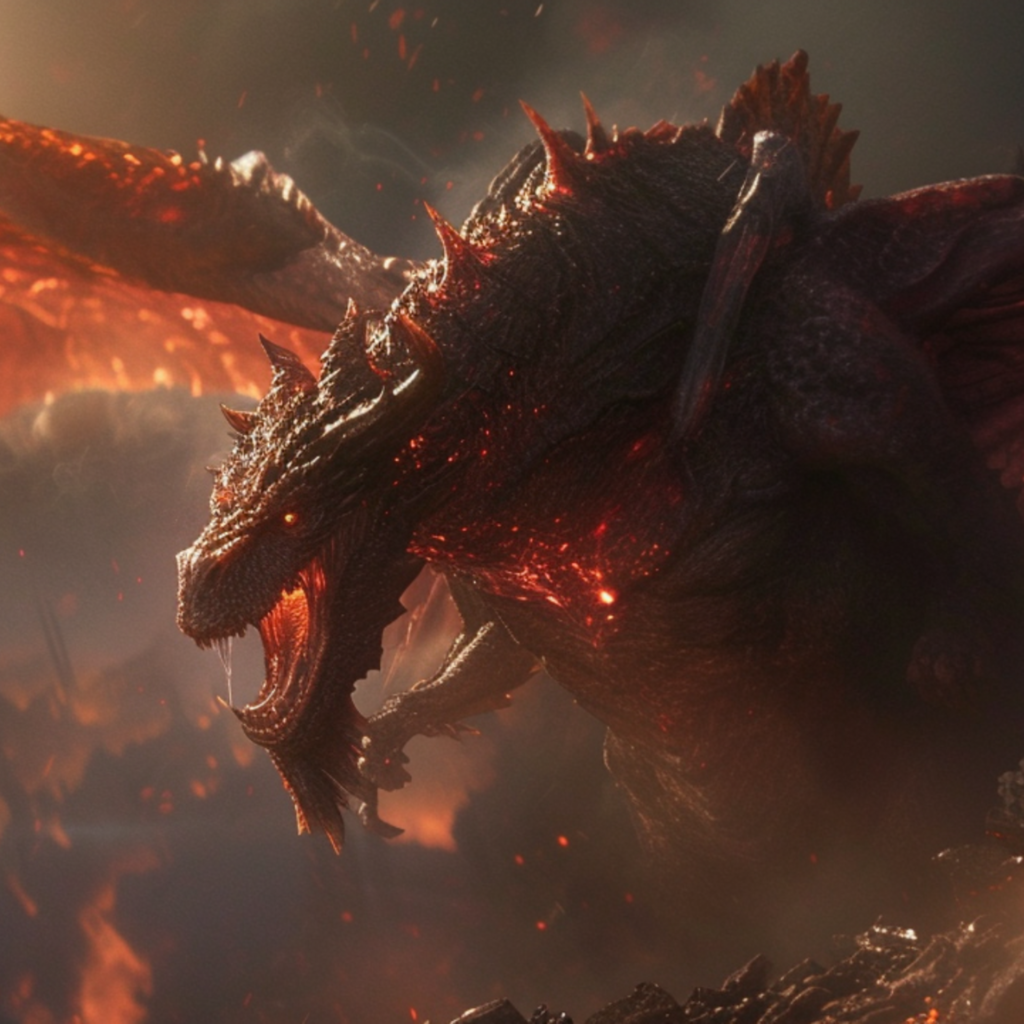
Monster animation has always been one of the most thrilling aspects of entertainment. But in 2025, the industry is witnessing a massive transformation driven by next-generation technology. Whether it’s movies, OTT shows, games, or VR productions, monster characters are becoming more realistic, more intelligent, and more emotionally engaging than ever before. These advancements are not just artistic breakthroughs—they are reshaping how audiences connect with creature-driven stories. The fusion of AI, real-time rendering, advanced VFX, virtual production, and new storytelling models is unlocking a new era for studios, animators, and fans worldwide. Below is a complete deep dive into how entertainment meets technology and why monster animation in 2025 is undergoing its biggest revolution yet. AI Is Accelerating Monster Animation Workflows in 2025 Artificial Intelligence is no longer a supporting tool—it’s the backbone of modern monster animation in 2025. AI-driven software automates several stages of the production pipeline, including rigging, motion capture cleanup, texture generation, and scene optimization. This automation reduces project timelines by nearly 40% and allows studios to experiment more with creature variations. AI also makes it possible to generate early monster models based on text prompts, environmental requirements, or even emotional traits. Tools like neural rendering and machine-learning-enhanced simulations help animators produce incredibly dynamic monster movements. Instead of spending weeks creating rough models, creators can now generate multiple iterations within hours, allowing for faster decision-making and superior creative freedom. Hyper-Real VFX Are Taking Monster Designs to a New Level One of the defining characteristics of monster animation 2025 is the rise of hyper-realistic visual effects. These VFX systems simulate skin layers, muscle tension, saliva movement, fur physics, and complex shadows with astonishing precision. Studios are increasingly using physically based rendering (PBR), subsurface scattering technologies, and GPU-powered VFX engines to give monsters a natural, life-like presence on screen. Whether it’s dragons in fantasy series, alien creatures in sci-fi films, or mythological beasts in games—audiences are experiencing cinematic realism like never before. Hyper-real VFX also help build emotional depth. When monsters display believable micro-expressions, eye movements, or muscle reactions, viewers can connect with them on a psychological level, enhancing the narrative impact. Real-Time Rendering Is Revolutionizing Creature Production Real-time rendering is one of the biggest tech breakthroughs shaping monster animation in 2025. Unlike traditional rendering pipelines that require hours or days to process scenes, real-time engines like Unreal Engine and Unity allow animators to see updates instantly. This technology speeds up creature simulations, lighting adjustments, texture updates, and environment changes. Filmmakers, game developers, and animators can test monster appearances instantly, predict how scenes will behave, and refine monster behaviors on the spot. The result? Higher-quality output in a fraction of the time. This shift toward real-time rendering is especially beneficial for monster-heavy productions, where complex animations and effects are common. It reduces production costs while boosting visual fidelity and dynamic accuracy. Virtual Production Is Merging Monsters With Real Environments Virtual production is becoming the new standard in 2025, replacing green screens with interactive LED walls. This technology creates immersive, real-time environments that match the movement of the camera. For monster animation, this means creators can place digital monsters into realistic settings instantly. Actors can also visualize creatures during filming, leading to more authentic reactions and better performance. Virtual production eliminates lighting mismatches, reduces post-production timelines, and enables real-time creature adjustments. Monster films and sci-fi series are using this technology extensively to achieve cinematic realism at a lower cost. Procedural Animation Is Enhancing Monster Movements Procedural animation plays a huge role in 2025, especially for complex creatures. Instead of manually animating thousands of movements, animators use physics-based systems that simulate behaviors automatically. This makes monster motion more natural and dynamic. For example: Tentacles react realistically to environmental forces Wings adjust speed and direction based on physics Massive body movements reflect accurate weight distribution These intelligent systems make monster characters look fresh, unique, and hyper-realistic with every scene. Motion Capture Is More Detailed Than Ever Before Modern motion capture systems in 2025 now support full-body, facial, and even micro-expression capture. These systems translate subtle human gestures into monster designs—giving creatures more emotional range. High-frequency sensors ensure that every muscle twitch and eye movement is captured precisely. Even non-human motions, like crawling, flying, or multi-legged movement, can be recorded using AI-assisted mocap setups. This results in smoother, more expressive, and more believable monster performances on screen. 3D Scanning and Photogrammetry Speed Up Monster Modeling 3D scanning tools allow creators to scan textures, objects, animal skins, geological structures, and human expressions to build monster surfaces. This speeds up modeling and texturing drastically. Photogrammetry provides high-resolution references for skin patterns, bone structures, and anatomical details—making monster models far more lifelike. These technologies help animators create monsters with biological accuracy, whether they are reptilian, amphibious, extraterrestrial, or mythical. Voice AI and Sound Engineering Make Monsters More Immersive Sound is a critical part of monster animation in 2025. AI-driven voice systems generate custom monster voices based on pitch, texture, breathing patterns, and emotional intensity. Sound engineers combine real animal voices, AI frequency layers, metallic distortions, and biomechanical effects to produce unique creature sounds. These sounds play a major role in character identity. A monster with a distinct audio signature becomes unforgettable and instantly recognizable. VR and AR Are Bringing Monsters Into New Worlds Virtual Reality and Augmented Reality are creating new platforms for monster storytelling. VR games allow users to interact directly with massive creatures, examine their anatomy up close, or escape from monster-filled environments. AR experiences place monsters in real-world surroundings, making them appear more alive and integrated. As devices become more powerful, these experiences are becoming more immersive, real-time, and emotionally engaging. Cross-Media Monster Universes Are Growing Studios are no longer creating monster characters just for films or games—they are building entire universes. A monster introduced in a streaming series might later appear in a mobile game, comic book, or VR experience. Transmedia storytelling ensures: Wider audience engagement Longer franchise lifespan Deeper fan connection More opportunities for merch and licensing Technology makes it easier
Top Monster Animation Trends in 2025: How Technology Is Transforming Modern Entertainment
The world of animation is evolving faster than ever, and 2025 marks a revolutionary point for studios, creators, and fans. Among all genres, monster animation has seen the most dramatic transformation. From terrifying beasts to emotionally expressive creatures, monsters are no longer just background villains—they are central characters crafted with advanced technology. This shift is driven entirely by the rising monster animation trends 2025, where AI, VFX, real-time rendering, and motion capture redefine how animated creatures are conceived and brought to life. Whether you’re a filmmaker, animation student, content creator, or simply a fan of creature design, understanding these 2025 trends is crucial. This detailed blog explores exactly how technology is pushing monster animation into a new era — blending creativity, science, performance, and cutting-edge digital tools. The Rise of Monster Animation in 2025 One of the main reasons monster content is booming is the audience’s demand for immersive, visually stunning, and emotionally engaging storytelling. Movies, OTT platforms, gaming studios, and VR creators all invest heavily in creature-based stories. From cinematic universes to indie horror games, monsters have become cultural icons—representing fear, power, fantasy, and imagination. But what makes 2025 different? Technology. Every stage of creature creation—from concept art to final rendering—has been upgraded. What once took months can now be done in days, and what once looked unrealistic now appears lifelike. This intersection of tech and creativity forms the core of monster animation trends 2025. Let’s explore each major trend shaping the future of monster animation. 1. AI-Driven Monster Creation Becomes the Creative Foundation Artificial Intelligence is now a core part of monster animation workflows in 2025. Instead of manually sketching every variation, artists use AI tools for idea generation, anatomical exploration, and creature morphology. How AI Is Transforming Monster Design AI generates hundreds of unique creature concepts in minutes. Artists can explore different versions of the same monster—wings, claws, textures, color patterns, posture, and scale. AI-powered predictive design suggests more realistic anatomies based on physics and biology. Hybrid AI tools allow blending animal traits with fantasy elements. This shift saves enormous time during pre-production and supports more imaginative designs. Why This Is Key to Monster Animation Trends 2025 AI enhances creativity, not replaces it. Human artists make creative decisions, while AI speeds up ideation. This synergy is why AI-driven design has become a primary pillar in 2025’s monster animation industry. 2. Hyper-Realistic VFX Pushes Creature Believability VFX has advanced quickly, but 2025 takes realism to another level. Modern monsters have incredibly detailed textures—wrinkled skin, pores, veins, scars, drool, glossy eyes, and translucent membranes. What’s Driving Hyper-Realism in 2025? Real-time ray tracing gives accurate lighting, shadows, and reflections. GPU-powered simulations create lifelike muscle movement. High-resolution scanning enhances skin textures and environmental detail. Hybrid VFX pipelines mix CGI and practical effects for grounded realism. Audiences demand visual accuracy, especially in fantasy or horror settings. Even giant creatures must feel physically present—heavy footsteps, skin vibrations, dust impact, and environmental interactions. Impact on Modern Entertainment Whether it’s a streaming series or a blockbuster, hyper-realistic monsters keep viewers emotionally hooked. This VFX boom is one of the strongest monster animation trends 2025, influencing films, ads, VR games, and cinematic trailers. 3. Motion Capture Becomes More Emotional and Intelligent Motion capture has long been used for creature movement, but 2025 introduces advanced micro-expression capture that records even the smallest facial details. New Improvements in 2025 Motion Capture: Captures over 1000+ facial points. Tracks tiny eye movements, cheek tension, nostril flares, and jaw muscles. Body suits now read muscle pressure and weight balance. Hybrid MoCap blends human actors with fictional creature anatomies. This allows monsters to show: anger fear confusion sadness curiosity humor Emotionally expressive monsters build deeper storytelling connections with the audience. This Trend’s Importance This evolution means monsters are no longer one-dimensional threats—they are fully developed characters capable of emotional arcs. This makes MoCap essential to monster animation trends 2025. 4. Virtual Production and Real-Time Rendering Virtual production is one of the most disruptive changes in filmmaking. LED walls, dynamic backgrounds, and real-time rendering tools like Unreal Engine let directors see monsters directly on set. Why Virtual Production Matters Actors interact more naturally with creatures. Directors can adjust lighting, size, color, or movement instantly. It reduces dependency on heavy post-production. Real-time rendering shows polished visuals during shooting. This trend creates a seamless blend between live-action and CGI monsters. How It Affects Monster Animation It speeds up production, lowers costs, and delivers more accurate creature integration—making virtual production a top driver of monster animation trends 2025. 5. Immersive Monster Experiences in AR & VR Fans don’t just want to watch monsters anymore—they want to experience them. AR and VR innovations allow full interaction with digital creatures. Examples of 2025 AR/VR Monster Applications VR horror games featuring AI-driven monsters that adapt to your behavior. AR monster battles that appear in real-world surroundings. Virtual theme parks with interactive creatures. Mixed reality experiences for education and entertainment. AR/VR monsters respond in real time, making the experience more frightening, exciting, or emotional. Why This Matters This trend expands monster animation beyond screens, turning creatures into interactive entities. With the rise of immersive entertainment, AR and VR heavily influence monster animation trends 2025. 6. Procedural Animation for Natural, Unpredictable Movement Procedural animation generates natural monster movements based on physics and AI rules rather than manual keyframes. What Makes Procedural Movement Essential in 2025 Monsters react dynamically to terrain, obstacles, and weather. Tail, wing, claw, and muscle movements adjust automatically. AI predicts behaviors based on mood or environment. This gives monsters lifelike unpredictability—very important for realism. Key Benefit Monsters behave like biological creatures, not programmed animations. This authenticity is one of the most fascinating monster animation trends 2025. 7. Cross-Media Monster Universes & Franchises In 2025, creators are building extended monster universes across: films gaming comics streaming series VR experiences merchandise Why This Trend Is Rising Fans want deeper worlds and lore. Studios benefit from long-term franchise value. Cross-media storytelling provides revenue across platforms. Successful universes create iconic monsters