
Blending AI and Creativity: The Ultimate Guide to Animation Trends in 2025
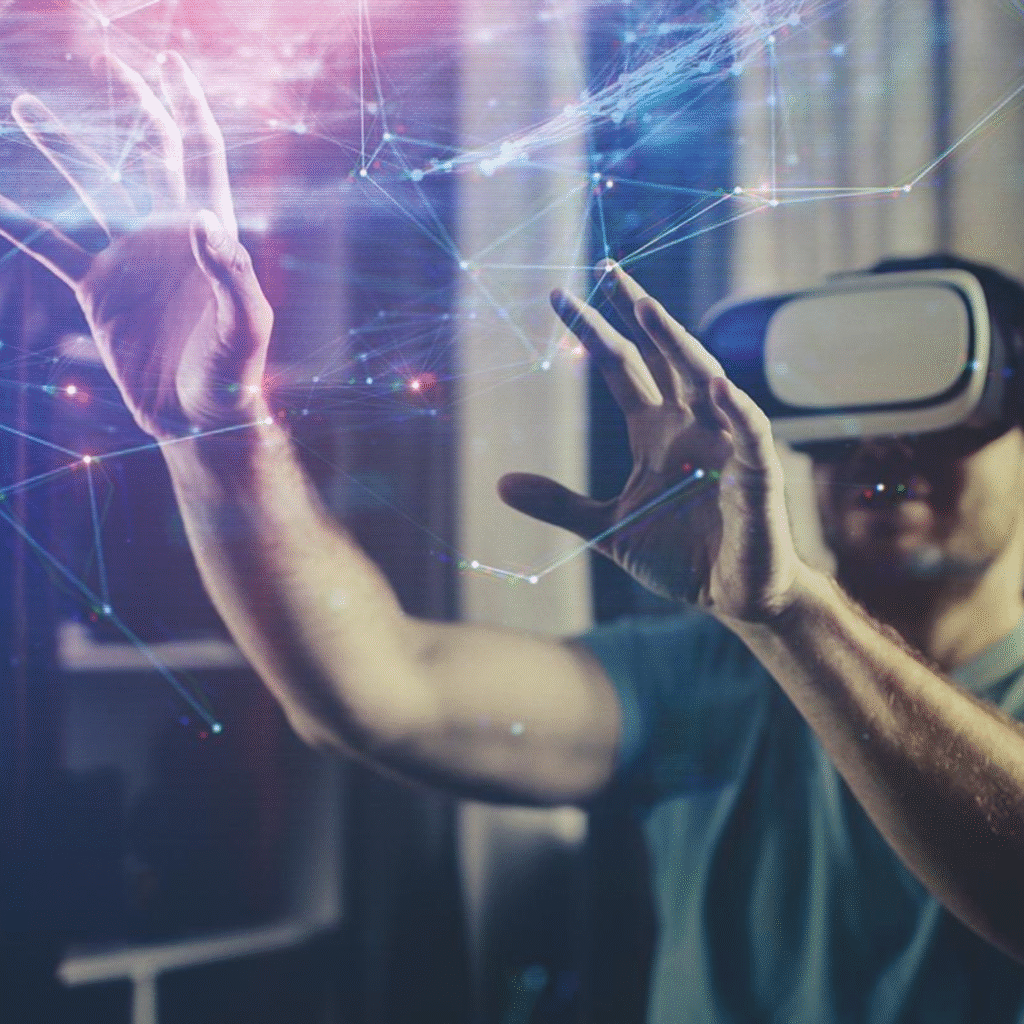
Animation in 2025 is entering a transformative phase where artificial intelligence (AI) and human creativity converge to create stunning visual experiences. AI is no longer a supporting tool—it has become integral to animation workflows, helping animators automate repetitive tasks, generate realistic motion, and enhance storytelling. At the same time, creative vision remains essential for designing compelling characters, environments, and narratives. This blog dives deep into how AI is shaping animation trends, the skills animators need to thrive, and actionable strategies for building a future-proof career. Whether you are a student, freelancer, or studio professional, understanding this blend of technology and creativity is key to success in 2025. Key AI-Driven Technologies Shaping Animation AI-Assisted Animation Tools Artificial intelligence can handle repetitive tasks, such as in-betweening frames, automating lip-sync, and predicting motion paths. Animators who leverage AI can focus on higher-level creative decisions, improving both efficiency and output quality. Procedural Animation and Machine Learning Machine learning algorithms enable procedural animation, generating realistic character movements based on physics and prior data. This reduces manual effort and opens new possibilities for dynamic, interactive animations in games, films, and VR/AR projects. AI in Real-Time Rendering AI-powered rendering techniques are revolutionizing animation pipelines. Real-time engines like Unreal Engine now use AI to optimize lighting, shadows, and textures instantly. Animators can preview changes immediately, which accelerates production timelines and enhances experimentation. Virtual and Augmented Reality Integration AI is enhancing VR/AR animation by providing intelligent behavior for interactive characters and environments. Animators can now simulate natural reactions and interactions, creating more immersive and lifelike experiences. AI-Powered Collaboration Tools Cloud-based AI tools facilitate remote collaboration by automatically syncing changes, detecting errors, and suggesting optimizations. Teams can work on large-scale projects without compromising efficiency or quality. Creative Skills That Complement AI Storytelling and Narrative Design AI cannot replace human imagination. Strong storytelling skills are essential for crafting engaging plots, emotional arcs, and compelling characters that resonate with audiences. Character Design and Emotion Expression AI can simulate motion, but animators must design characters with depth, personality, and expressive behaviors. Combining AI with creative input ensures characters are believable and engaging. Adaptive Creativity for Emerging Platforms With VR, AR, and interactive media growing rapidly, animators must think beyond traditional screens. Creative problem-solving is crucial for developing immersive experiences that captivate audiences. Career Opportunities with AI-Enhanced Animation Hybrid Animators Studios seek animators who can merge AI skills with creativity. Hybrid animators handle both technical AI workflows and artistic design, making them highly valuable in 2025. Game Design and Interactive Media AI-enhanced animation is revolutionizing gaming, enabling real-time character responses and dynamic environments. Animators proficient in AI tools and creative design are in high demand. Virtual Production and Film Virtual production uses AI for pre-visualization, camera tracking, and virtual character behavior. Animators skilled in AI-driven workflows contribute to faster, higher-quality productions. Freelance and Remote Work AI-powered tools reduce the need for large teams, enabling freelancers to produce high-quality animations efficiently. Professionals can collaborate globally and take on complex projects independently. Preparing for an AI-Centric Animation Industry Learn AI Tools and Software – Master AI-assisted animation software, real-time engines, and procedural animation platforms. Build a Hybrid Portfolio – Include projects showcasing both technical AI integration and creative design skills. Stay Updated with Emerging Trends – Follow industry news, attend webinars, and participate in workshops on AI animation. Collaborate and Network – Join communities, share work, and engage with professionals to expand opportunities. Experiment with VR/AR and Interactive Media – Develop projects in immersive platforms to showcase adaptive creativity. Conclusion AI and creativity together are redefining animation trends in 2025. Animators who embrace AI-assisted tools, real-time rendering, procedural animation, and immersive media will gain a competitive edge. However, creativity, storytelling, and character design remain irreplaceable. A future-ready animator blends technical knowledge with artistic vision, continuously updates skills, and explores innovative technologies. By understanding and integrating AI into the creative workflow, professionals can thrive in this dynamic industry, delivering immersive experiences that captivate audiences worldwide. Frequently Asked Questions (FAQs) Q1: How is AI changing the animation industry in 2025?AI is automating repetitive tasks, enhancing motion realism, enabling procedural animation, and supporting real-time rendering, which allows animators to focus more on creative storytelling. Q2: Do animators need programming knowledge for AI integration?Basic scripting and understanding of AI-driven workflows help animators customize processes and maximize AI tools effectively. Q3: Which careers benefit most from AI in animation?Hybrid animators, game designers, VR/AR specialists, and virtual production professionals are highly in demand due to AI integration. Q4: Can AI replace creative skills in animation?No. AI complements technical tasks but cannot replicate human creativity, storytelling, and emotional design in characters or narratives. Q5: How can animators stay competitive in 2025?By mastering AI tools, continuously learning emerging technologies, building a diverse portfolio, and combining creativity with technical expertise.
How the Animation Industry Transformed with AI in 2025
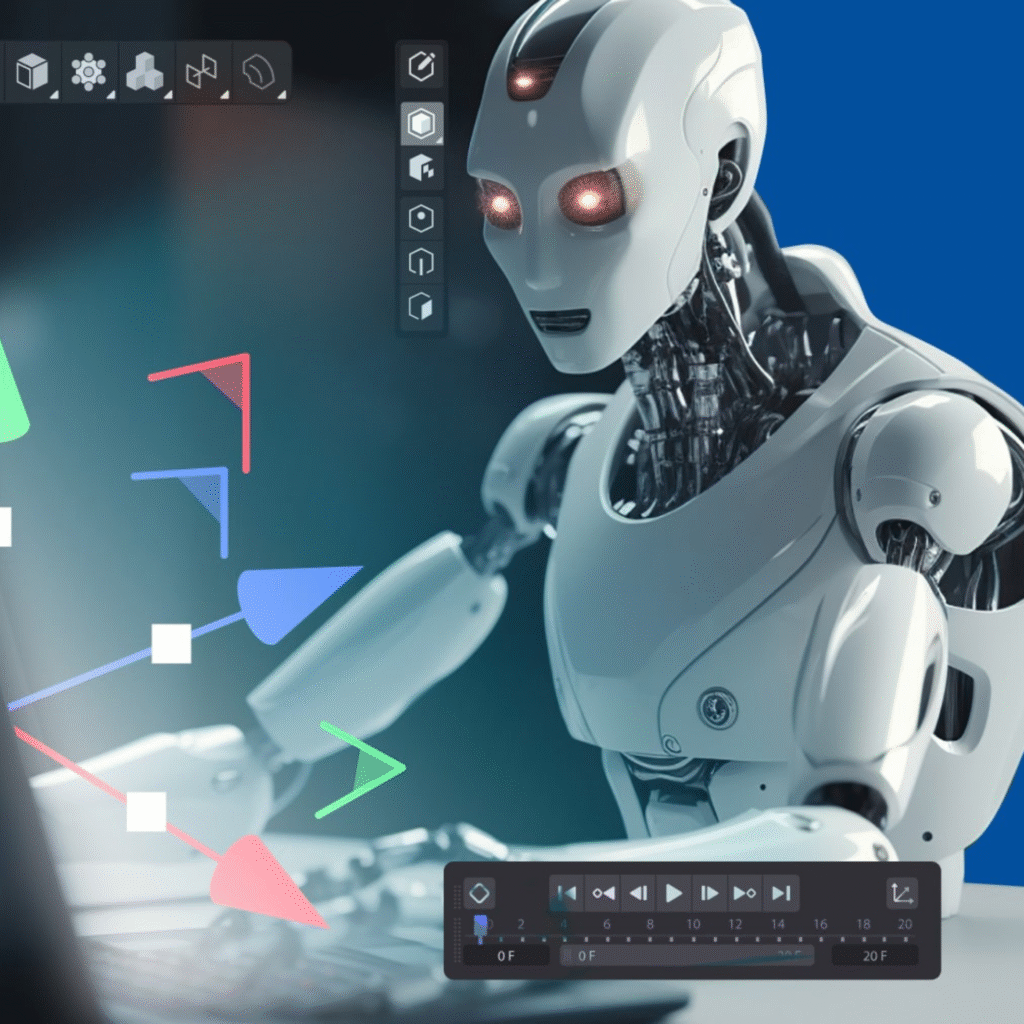
The year 2025 marked a groundbreaking shift in the global animation industry. Artificial Intelligence (AI), which was slowly making its presence felt in previous years, finally took center stage by transforming workflows, boosting creativity, reducing production time, and opening completely new possibilities for animators. From character design and motion capture to automated rendering and AI-driven storytelling, animation today looks and functions entirely differently than it did even a few years ago. This transformation has empowered small creators, indie studios, educators, and large production houses alike. Instead of replacing artists, AI has become a powerful creative companion, enhancing human imagination, streamlining technical processes, and delivering faster, higher-quality animated content to the world. How AI Technology Became the Backbone of the Animation Industry in 2025 This section explains how AI systems evolved into essential tools used across every stage of animation production—from concept creation to post-production. 1. AI-Powered Pre-Production Revolution AI reshaped pre-production processes by making ideation, research, and planning faster and more efficient. • Automated Concept Generation In 2025, AI tools became capable of generating early-stage sketches, story ideas, concept art, and visual tone references within seconds. This helped studios explore multiple creative directions quickly, saving days or weeks during concept development. • Smarter Scriptwriting Assistance AI-driven writing tools began assisting writers in generating dialogues, plot developments, character arcs, and world-building ideas. These tools analyzed thousands of stories, helping writers avoid clichés and craft unique, emotionally aligned narratives. • Rapid Storyboard Creation AI could convert scripts into structured storyboards with rough sketches, character poses, and camera angles. Animators then refined these drafts, significantly shortening pre-production cycles. AI as a Creative Partner for Animators and Artists This section describes how AI supported artists creatively, allowing them to work faster without limiting their artistic originality. 1. AI-Enhanced Character Design AI tools in 2025 allowed artists to instantly generate multiple variations of characters—different outfits, hairstyles, expressions, and proportions—while retaining unique artistic styles. This helped designers test multiple creative directions without manual redrawing. 2. Style Transfer Technology for Visual Consistency AI algorithms enabled automatic style transfer, meaning artists could apply a specific artistic style across hundreds of frames. Whether the style was hand-drawn, watercolor, anime, or 3D realism, AI maintained consistency while significantly reducing manual workload. 3. Intelligent Background Creation Instead of drawing every background from scratch, artists used AI to generate landscapes, futuristic cities, interiors, or fantasy worlds based on text prompts. The generated scenes served as detailed references or even final render-ready assets. AI-Driven Animation Production: Faster, Sharper, and More Efficient This section highlights how AI changed the middle stage of production through automation and motion intelligence. 1. Automated 2D Animation Workflows AI tools could interpret rough sketches and automatically animate them. Frame-by-frame animation, which previously required immense labor, became faster due to AI in-betweening, which generated clean intermediate frames automatically. 2. Real-Time 3D Motion Capture Using AI Sensors In 2025, AI-powered mocap systems required no expensive suits. Creators used smartphone cameras or webcams to capture human movement in real time. AI then translated these motions into smooth 3D animations, making professional animation accessible to all. 3. AI-Assisted Lip Sync & Facial Animation Previously time-consuming, lip-syncing became fully automated. AI could analyze voice recordings, detect emotion, and animate facial expressions that perfectly matched the vocal tone. This dramatically improved animation realism and production speed. 4. Intelligent Physics and Movement Simulation AI simulations handled hair movement, cloth dynamics, water flow, explosions, and environmental effects. Artists no longer needed to manually animate complex physics—AI produced natural-looking interactions automatically. How AI Transformed Rendering and Post-Production This section explains how final output improved using powerful AI-based enhancements. 1. AI Rendering Engines AI-based renderers in 2025 could process frames much faster than traditional software, reducing rendering time from hours to minutes. This allowed studios to test multiple lighting options, angles, and textures without waiting for long render cycles. 2. Smart Upscaling and Quality Enhancement AI upscaling upgrades low-resolution or rough animation frames to high-quality 4K or even 8K visuals. Studios saved time and saved on GPU costs while achieving cinematic output. 3. Error Detection and Scene Cleanup AI tools automatically detected animation errors, inconsistent frames, broken textures, or lighting mismatches. This significantly reduced post-production editing time and ensured cleaner final results. AI’s Impact on Animation Jobs and Creative Careers in 2025 This section covers how AI affected the workforce and what it meant for future careers in animation. 1. More Demand for AI-Skilled Animators Animators who learned to work with AI tools found themselves in high demand. Studios actively hired artists who could blend traditional skills with AI-assisted workflows. 2. New Career Roles Emerged 2025 introduced new job profiles like: AI Animation Supervisor – oversees AI-driven workflows Prompt Artist – writes prompts to generate accurate visuals AI Story Architect – uses narrative AI to structure stories AI Motion Specialist – fine-tunes AI-generated movement These new roles proved that AI did not replace artists—it created new opportunities. 3. Increased Creative Freedom for Small Studios Small animation studios and freelancers benefited the most. AI removed many technical barriers, letting independent creators produce high-quality films, ads, and series without large teams or costly equipment. How AI Personalized Animation for Audiences in 2025 With AI, animation became interactive, adaptive, and personalized for viewers. 1. Viewer-Specific Animated Content AI allowed platforms to customize animation based on user behavior—like changing character expressions, editing background colors, or modifying story difficulty levels for children. 2. AI-Powered Interactive Animation Interactive shows using AI allowed viewers to choose story directions, control characters, or even insert themselves as animated avatars inside episodes using face scanning. 3. Real-Time Localization and Dubbing AI translated dialogues into multiple languages while maintaining lip sync, accents, and emotional tone. This made global distribution faster and helped studios reach wider audiences. AI in Animation Education and Training in 2025 This section explains how AI changed skill learning for students and professionals. 1. Virtual Animation Mentors AI-powered mentors guided students step-by-step, corrected mistakes, suggested improvements, and provided real-time feedback during project creation. 2. Automated Practice