
Animation Industry Insights 2025: Emerging Tech That Every Animator Must Know
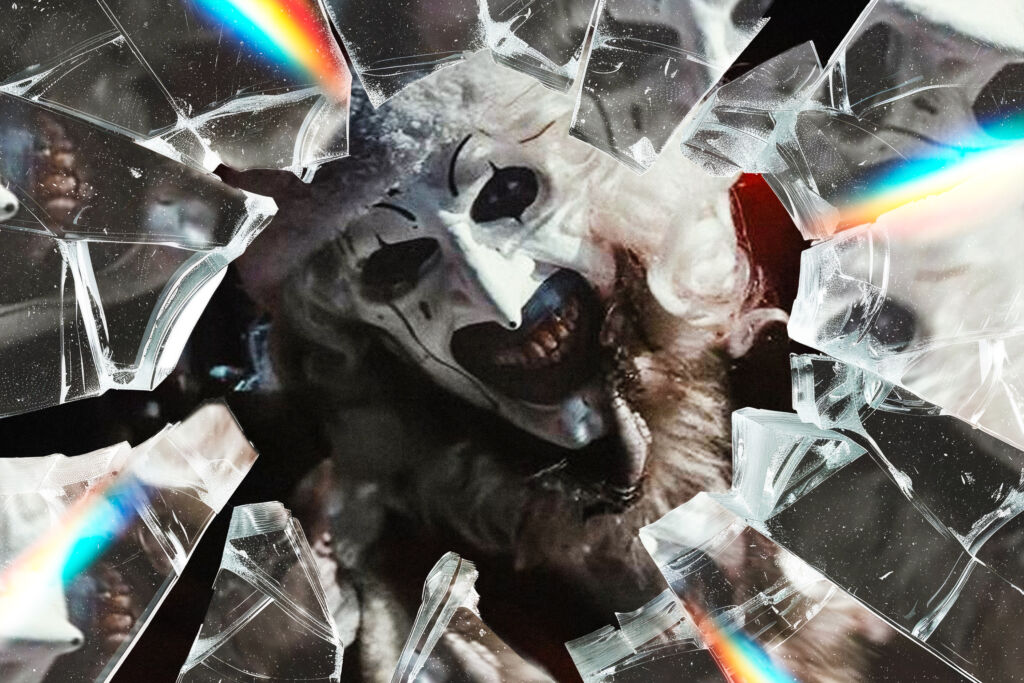
The animation industry in 2025 is entering a new era where technology and creativity converge more than ever. Advanced tools such as artificial intelligence (AI), virtual and augmented reality (VR/AR), and real-time rendering engines are transforming how animators conceptualize, create, and deliver content. This technological evolution has not only changed the workflow but has also opened exciting career opportunities for professionals who can adapt to emerging trends. Understanding these developments is crucial for animators, studios, and students aiming to stay competitive. In this blog, we explore the key technologies every animator must know in 2025, the skills they demand, and how to leverage them for a successful career. Key Emerging Technologies in Animation 2025 AI-Powered Animation Tools Artificial intelligence is revolutionizing animation by automating repetitive tasks and assisting in complex workflows. AI can generate realistic motion, automate lip-syncing, and even predict character movements based on previous frames. Animators who integrate AI into their workflow save time and can focus more on creativity and storytelling. Real-Time Rendering Engines Tools like Unreal Engine and Unity enable real-time rendering, allowing animators to see their creations instantly. This technology is particularly transformative in gaming, VR production, and virtual sets for films. Real-time rendering drastically reduces production time while enabling more interactive and dynamic content. Virtual Reality (VR) and Augmented Reality (AR) VR and AR are no longer niche technologies; they are becoming central to animation experiences. Animators now design immersive environments where users interact with characters and scenes in real time. Understanding VR/AR pipelines and optimizing content for immersive experiences is becoming a critical skill for modern animators. Procedural Animation and Motion Capture Procedural animation, combined with motion capture technology, enables realistic, dynamic movement without manual frame-by-frame adjustments. Motion capture allows actors’ performances to be directly translated into animated characters, while procedural animation generates natural movement patterns algorithmically, reducing time and increasing realism. Cloud-Based Animation Workflows Cloud technology allows teams to collaborate remotely while sharing large project files seamlessly. Cloud platforms provide scalable rendering power and storage, making it easier for studios to manage complex projects. Animators who are comfortable with cloud-based workflows are highly valued in modern production environments. Skills Required to Leverage Emerging Technology Technical Skills Proficiency in AI-assisted animation software, real-time engines, motion capture systems, and cloud collaboration tools is essential. Animators must stay up-to-date with the latest versions of tools like Blender, Maya, Houdini, and Unreal Engine to remain competitive. Creative Skills Even with advanced technology, creativity remains the core of animation. Skills like storytelling, character design, and environmental conceptualization are crucial. A strong creative vision, combined with technical know-how, allows animators to deliver compelling and immersive content. Adaptability and Continuous Learning The rapid pace of technological advancement requires animators to be adaptable. Continuous learning through workshops, online courses, and industry events ensures professionals stay current and employable in 2025’s competitive animation landscape. Career Opportunities in Animation 2025 Gaming and Interactive Media The gaming sector continues to expand with high-fidelity graphics and immersive worlds. Skilled animators with real-time rendering and VR/AR experience are highly sought after in game design, level animation, and interactive storytelling. Virtual Production Studios Virtual production merges live-action filming with CGI in real time. This workflow requires animators skilled in real-time rendering, motion capture, and AI-assisted pipelines to create cinematic-quality results efficiently. Freelance and Remote Work Cloud-based tools and remote collaboration make freelance animation projects more feasible than ever. Professionals can work for multiple studios or clients worldwide, leveraging emerging technologies to manage complex tasks from home. How to Prepare for 2025 Animation Industry Trends Master Emerging Tools – Gain proficiency in AI-assisted software, Unreal Engine, Unity, and motion capture systems. Build a Diverse Portfolio – Showcase projects demonstrating both creative storytelling and technical skills. Attend Workshops and Courses – Stay updated with the latest industry trends through online and offline learning. Engage in Networking – Participate in animation forums, social media groups, and professional communities. Experiment with Immersive Media – Develop projects in VR/AR to showcase adaptability and creativity. Conclusion The animation industry in 2025 is defined by the integration of emerging technologies and creative innovation. Professionals who can harness AI, VR/AR, real-time rendering, and cloud-based workflows while maintaining strong storytelling and design skills will thrive. By staying informed, continuously learning, and experimenting with immersive technologies, animators can secure a future-ready career in this dynamic industry. Staying ahead of trends is not just advantageous—it’s essential for success in 2025. Frequently Asked Questions (FAQs) Q1: What is the focus of animation in 2025?Animation in 2025 focuses on combining technology with creativity, using AI, VR/AR, real-time rendering, and cloud-based workflows to create immersive experiences. Q2: Which emerging technology is most important for animators in 2025?Real-time rendering engines like Unreal Engine, AI-assisted animation tools, and VR/AR pipelines are the most impactful technologies shaping the animation industry. Q3: Do animators need programming skills for 2025 workflows?Basic scripting and understanding of procedural workflows help animators automate tasks and interact with AI tools, enhancing efficiency and technical capability. Q4: What careers will grow in the animation industry?Careers in gaming, virtual production, VR/AR experiences, AI animation, and cloud-based collaborative projects are expected to grow significantly. Q5: How can animators future-proof their skills?Continuous learning, mastering emerging tools, building a diverse portfolio, and staying adaptable to new technologies will help animators stay relevant in 2025.
Top Animation Skills in 2025: How Technology and Creativity Are Shaping Careers

The animation industry in 2025 is evolving at a breakneck pace, driven by cutting-edge technology and growing demand for immersive, visually stunning content. Animators are no longer limited to just creative storytelling—they now need technical expertise to bring ideas to life using AI, real-time rendering, and virtual reality (VR) tools. Combining technology with creativity is no longer optional; it’s essential for career growth. In this blog, we’ll explore the top animation skills in 2025, examine industry trends, and provide insights into how aspiring animators can future-proof their careers in an increasingly competitive landscape. Key Technical Skills Every Animator Needs in 2025 Mastery of 3D Animation Software Proficiency in software like Blender, Autodesk Maya, and Houdini is a baseline requirement for animators in 2025. These tools allow artists to create detailed 3D models, animate characters realistically, and produce complex visual effects. Mastering these platforms enables animators to work efficiently on feature films, games, and virtual productions. Real-Time Rendering with Game Engines Real-time rendering engines like Unreal Engine and Unity are revolutionizing animation workflows. Unlike traditional rendering, these tools allow instant feedback, enabling animators to experiment with lighting, textures, and movements in a live environment. Professionals skilled in these engines are highly sought after, especially in the gaming and virtual production sectors. AI-Assisted Animation Workflows Artificial intelligence is transforming how animators work. AI tools can automate repetitive tasks, generate realistic motion patterns, and even assist with lip-sync and facial expressions. Animators who understand AI integration can save time while producing higher-quality work, giving them a significant edge in the job market. Creative Skills That Set Animators Apart Storytelling and Conceptual Design Technical skills are essential, but creativity remains the heart of animation. Strong storytelling abilities help animators craft compelling narratives that resonate with audiences. Conceptual design skills allow artists to translate abstract ideas into visually engaging scenes and characters, making creativity a critical differentiator. Character Design and Motion Studies Designing memorable characters requires a deep understanding of anatomy, movement, and personality. Animators must study motion, gestures, and expressions to ensure characters appear lifelike. Combining technical expertise with creativity ensures characters feel authentic, enhancing audience engagement. Adaptive Creativity in Immersive Environments The rise of VR, AR, and mixed reality experiences demands adaptive creativity. Animators must think beyond traditional screens and design interactions for fully immersive environments. Creative problem-solving is essential for producing engaging experiences in games, virtual concerts, and metaverse projects. Industry Insights – Job Trends and Opportunities Growth of Gaming, Virtual Production, and Immersive Experiences The gaming industry continues to expand, with a focus on high-fidelity graphics and interactive worlds. Virtual production combines live-action filming with real-time CGI, opening new opportunities for skilled animators. Immersive experiences in VR/AR are becoming mainstream, creating demand for animators who can merge creativity with technology. Demand for Hybrid Animators The most sought-after professionals in 2025 are hybrid animators—those who possess both technical proficiency and strong creative skills. Studios increasingly prefer individuals who can handle AI-assisted workflows, real-time rendering, and character design without depending on multiple specialists. Freelance vs. Studio Career Paths Freelance animation is booming, offering flexibility and diverse project opportunities. However, large studios still value animators with specialized skills for high-profile projects. Aspiring professionals should evaluate career goals and decide whether to pursue freelance work, studio positions, or a combination of both. How to Future-Proof Your Animation Career Continuous Learning and Skill Upgradation The animation industry is rapidly evolving, and professionals must stay updated with the latest tools and techniques. Online courses, workshops, and certifications in AI animation, VR/AR, and real-time rendering help animators maintain relevance and secure high-demand roles. Portfolio Building and Networking A strong portfolio showcasing both creative and technical expertise is crucial. Animators should include work demonstrating storytelling, character design, and technical prowess. Networking through industry events, online communities, and social media can open doors to collaborations and job opportunities. Staying Ahead with Emerging Technologies Emerging technologies like AI-driven animation, procedural generation, and cloud-based collaboration tools are redefining workflows. Animators who experiment with these innovations can stand out in the competitive job market, delivering projects faster and more efficiently. Conclusion In 2025, the animation industry rewards those who can merge creativity with technology. Animators skilled in 3D software, AI-assisted workflows, real-time rendering, and immersive environment design are in high demand. By continuously learning, building a strong portfolio, and adapting to emerging tools, aspiring professionals can secure future-ready animation careers. The key takeaway is clear: mastering both technical and creative skills is no longer optional—it’s essential for success.
How AI Is Creating Smarter Monsters: The New Era of Intelligent Creature Animation in 2025
The animation industry has entered an exciting new phase in 2025—one where monsters are no longer just visually stunning but also intelligent, behavior-driven, and emotionally responsive. Thanks to rapid advancements in Artificial Intelligence, monster animation is undergoing the biggest transformation in its history. AI is not only making the creative process faster and more efficient but is also reinventing how monsters move, react, and interact with their environment. From neural networks to procedural intelligence, the future of creature animation is being shaped by algorithms that understand physics, emotion, and complex biology. This evolution is creating digital monsters that feel alive—not just in appearance, but in the way they think, behave, and respond to the world around them. In this in-depth exploration, we break down how AI is reshaping monster animation in 2025 and why the entertainment industry is embracing this intelligent revolution. AI-Driven Monster Creation Is Becoming the New Normal One of the biggest breakthroughs in 2025 is AI-assisted monster design. Instead of building creatures entirely from scratch, animators now work with AI models that generate base structures, anatomy suggestions, muscle systems, and unique creature silhouettes. These models analyze millions of biological references—from reptiles and mammals to deep-sea life—to generate accurate anatomical forms. The AI provides multiple variations at once, giving creators instant options to refine shapes, textures, and proportions. What once took weeks of manual sketching and sculpting can now be achieved in hours, allowing animators to focus more on personality, movement, and story relevance. Neural Motion Systems Are Making Monsters Smarter Than Ever The biggest leap in AI monster animation 2025 is neural motion behavior. AI-trained motion systems allow monsters to move in ways that feel natural, dynamic, and adaptive. Instead of being controlled by keyframes alone, creature behaviors evolve based on their environment, obstacles, and character motivations. Neural systems now simulate: Instinctive reactions Environmental awareness Adaptive movement patterns Interaction with other digital characters Decision-making in real time For example, a monster running through a forest can adjust its footing based on terrain, avoid trees intelligently, and even react to sudden noises with micro-expressions. These systems bring monsters to life with a level of realism previously impossible. AI-Enhanced Facial Animation Is Redefining Monster Expressions Smart creature animation goes beyond movement—AI has revolutionized facial expressions. Deep-learning facial rigs now analyze emotional cues from human actors and translate them into monster-specific anatomies. This leads to: More expressive eyes Realistic lip movement Emotion-driven muscle tension Subtle micro-expressions Monsters can now express fear, curiosity, anger, humor, or confusion with nuanced detail. These expressions make creatures more relatable and emotionally compelling, creating a deeper connection with audiences. Behavioral AI Makes Monsters Act Realistically in Any Scene AI-driven behavioral systems simulate intelligence that mirrors natural instincts. Monsters can now react logically to objects, weather, lighting, sound cues, and character interactions. In 2025, monster AI can determine: When to attack or retreat How to navigate obstacles Which body language to display How to respond to emotional cues from actors Instead of following a strict script, monsters behave dynamically. This reduces the need for manual animation and improves cinematic authenticity. AI-Assisted Motion Capture Speeds Up Creature Animation Traditional motion capture is powerful but time-consuming. In 2025, AI-enhanced mocap tools automatically clean noisy data, fill in gaps, and refine movements with biological accuracy. This is especially useful for non-human monsters with complex forms such as: Multi-legged creatures Flying beasts Underwater monsters Shape-shifting entities AI can now simulate how extra limbs should move, how wings should flex, and how weight should shift—all based on physics and biological rules. Procedural Intelligence Makes Monster Interaction Realistic and Unpredictable AI-powered procedural animation removes the rigidity of pre-programmed monster actions. Monsters now adjust their steps, movements, and reactions based on the physics of the world they inhabit. This allows for: Dynamic limb interactions Weighted movement Realistic collisions Fluid response to forces This procedural intelligence ensures that every action feels organic and unique. Even repeated scenes produce slightly different, more realistic outcomes. AI-Generated Textures and Materials Create Biological Realism AI texture engines generate skin surfaces that mimic real biological patterns—scales, scars, veins, wrinkles, fur, moisture, and more. The system learns from thousands of references to produce textures that blend naturally across the monster’s body. AI also predicts how textures respond to various lighting conditions: Wet surfaces shine accurately Scales reflect directional light Fur shifts realistically with wind Skin stretches naturally during motion These details add depth and authenticity to monster appearances. AI-Powered Sound Design Makes Monsters Feel Alive Creating monster voices used to require layers of animal roars, metallic sounds, and human distortions. In 2025, AI voice generators produce unique monster sounds based on: Vocal pitch Breath density Emotional context Body mass Movement type Sound designers then blend AI layers with real-world elements to create unforgettable monster audio signatures. Real-Time AI Tools Are Empowering Game Developers In gaming, AI-driven monster animation is creating unpredictable enemies, smarter bosses, and immersive ecosystems. Real-time AI systems allow monsters to: Learn player behavior React dynamically to attacks Coordinate group movement Display tactical intelligence This makes games more challenging, lifelike, and interactive. AI Is Enhancing Creature Storytelling Across All Media Monster animation in 2025 goes beyond visual spectacle—AI enables creatures to play deeper narrative roles. Studios use AI to give monsters: Emotional arcs Personality-driven behavior Story-based evolution Relationship dynamics with human characters AI is pushing monster storytelling into more meaningful territory, allowing creatures to become central emotional figures rather than simple antagonists. Conclusion AI is transforming monster animation in 2025 at every stage—from design and movement to behavior, sound, and storytelling. The result is a new generation of monsters that feel intelligent, expressive, and alive. With neural motion systems, procedural intelligence, and hyper-real AI-driven textures, monster animation is evolving into a seamless blend of creativity and smart technology. The future promises even more advanced and self-evolving creatures, making monster animation one of the most exciting frontiers in entertainment today. FAQs 1. What is AI monster animation in 2025? It refers to the use of artificial intelligence to