
Top 10 Software Used in Animation: Beginners to Advanced Guide
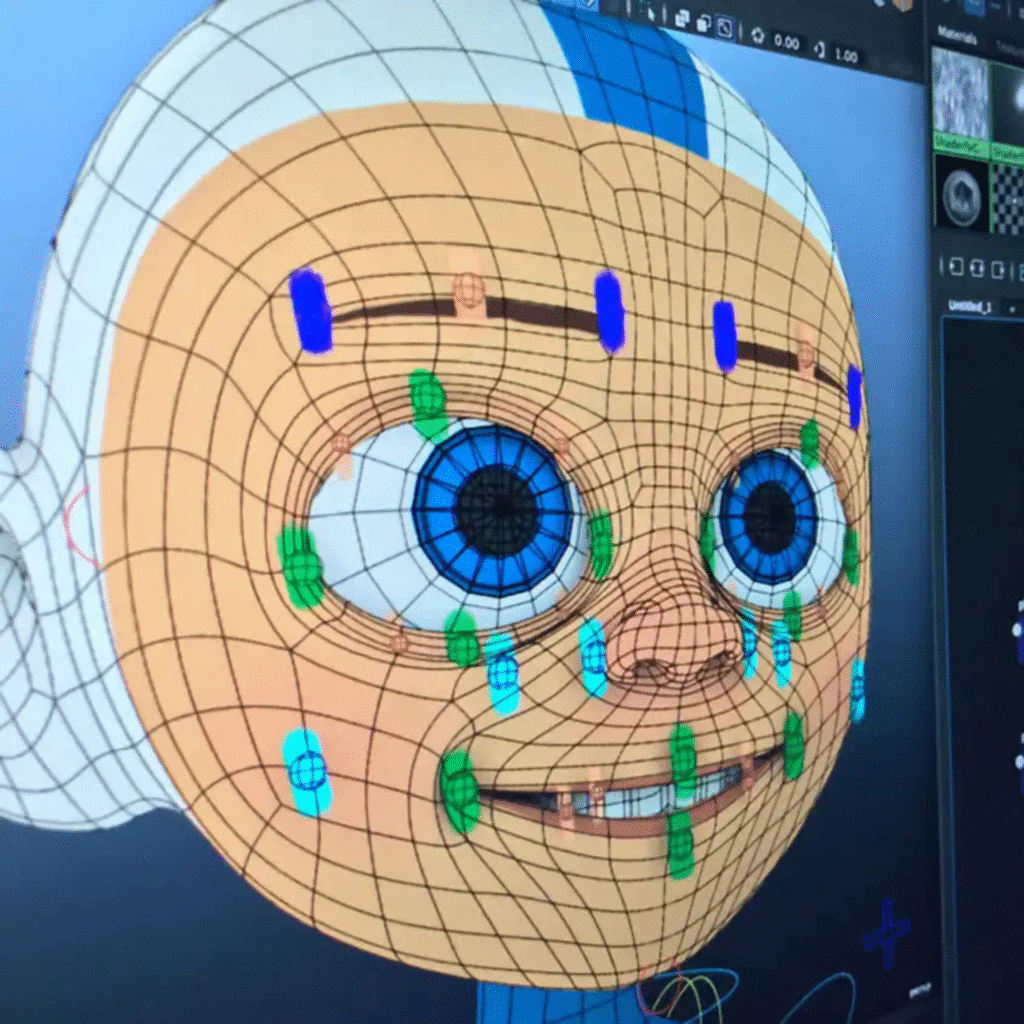
Animation has become one of the fastest-growing creative careers in 2025. Whether it’s films, gaming, advertising, or OTT content, animation is now used in almost every industry. Because of this demand, beginners often get confused about which software they should master first. The truth is—different animation tools serve different purposes such as 2D animation, 3D animation, VFX, modeling, motion graphics, and character rigging. This guide explains the Top 10 Animation Software used globally by beginners and professionals. Each software includes features, use cases, pricing, and who should learn it—making this the perfect guide for anyone starting their animation journey. 1. Blender (Best Free 3D Animation Software) ⭐ Best For: Beginners to Experts 💰 Price: Free Blender is one of the most powerful open-source 3D animation tools in the world. It is widely used for modeling, rigging, texturing, lighting, VFX, simulation, and video editing. Key Features Full 3D pipeline (model to render) Real-time rendering engine Free lifetime updates Perfect for short films, games & YouTube animations Why Beginners Should Learn It’s 100% free Huge community support Studio-level results 2. Adobe Animate (Best for 2D Animation & Cartoons) ⭐ Best For: 2D Animators 💰 Price: Paid (Adobe Creative Cloud) Adobe Animate is popular for cartoons, explainer videos, web animations, and character-based stories. Many studios still rely on it for fast 2D production. Key Features Simple timeline-based UI Perfect for frame-by-frame animation Export to YouTube, HTML5 & games Why Learn It Industry standard for 2D animation Easy for beginners 3. Autodesk Maya (Hollywood 3D Animation Standard) ⭐ Best For: Professional 3D animators, character animation 💰 Price: High (Paid) Maya is the most used software in Hollywood for movies, gaming studios, and professional animation companies. Key Features Advanced 3D modeling Realistic animation tools Industry-level rendering Used in Marvel, Pixar & Disney films Who Should Learn It Students aiming for big studios 3D character & creature animators 4. Adobe After Effects (Motion Graphics & VFX King) ⭐ Best For: Motion Graphics, VFX 💰 Price: Paid After Effects is the backbone of modern motion graphics, compositing, visual effects, and digital design. Key Features Perfect for title animations Green screen & VFX Logo animation Sync with Premiere Pro, Photoshop, Illustrator Career Use Cases YouTube video editing Ad agencies OTT & film industry 5. Toon Boom Harmony (Best 2D Animation Software for Studios) ⭐ Best For: Studio-level 2D animation 💰 Price: Paid (Premium) Toon Boom Harmony is used by Disney, Warner Bros, Cartoon Network and many international studios. Key Features Advanced rigging Paperless production Smooth frame-by-frame movement Complex scene creation Why Learn It High demand in global animation studios 6. Cinema 4D (Motion Graphics & 3D Animation Tool) ⭐ Best For: Motion designers, 3D animators 💰 Price: Paid Cinema 4D is extremely popular for motion design, broadcast graphics, and advertising. Key Features Easy learning curve Beautiful 3D text animations Works perfectly with After Effects Use Cases TV shows Commercial ads 3D logo animations 7. ZBrush (Best for 3D Sculpting & Character Modeling) ⭐ Best For: 3D artists & modelers 💰 Price: Paid ZBrush is used for realistic 3D modeling—especially in gaming and film character creation. Key Features High-detail sculpting Realistic textures Perfect for creating creatures, monsters & fantasy characters Career Paths 3D character designer Game asset artist 8. Krita (Free 2D Animation Software) ⭐ Best For: Beginners in 2D 💰 Price: Free Krita is a free, open-source tool, great for students and hobby artists learning frame-by-frame 2D animation. Key Features Smooth drawing experience Hand-drawn animation Onion skinning Professional brushes Best For Beginners YouTube storytellers Digital artists 9. Houdini (Best for VFX & Simulations) ⭐ Best For: VFX artists, simulations 💰 Price: Paid (Free apprentice version available) Houdini is used to create fire, smoke, water, hair, explosions, particles, destruction effects and advanced simulations. Key Features Node-based workflow Hollywood-grade VFX Used in movies like Avengers, Avatar, etc. Career Use Film VFX 3D technical artist Simulation specialist 10. Moho Pro (2D Rigging & Animation Tool) ⭐ Best For: 2D rigging 💰 Price: Paid Moho Pro is a lightweight, powerful tool for 2D character rigging and motion animation. Key Features Bone-based rigging Smooth character movement Great for explainer videos & anime-style animation Who Should Learn It Studio artists Freelance animators Which Software Should Beginners Start With? If you’re a beginner: Blender – Free & most powerful Krita – For 2D beginners Adobe Animate – For cartoon-style animation If you want to work with Hollywood studios:
Best Online Animation Courses for Beginners: Learn From Home in 2025

The demand for animation is rising at a record speed in 2025, driven by OTT platforms, gaming studios, advertising agencies, and social media creators. Today, you don’t need a physical classroom or expensive training center to start learning animation. With high-quality online courses, beginners can master animation skills directly from home, using just a laptop and internet connection. These online animation courses help students learn 2D animation, 3D animation, VFX, motion graphics, character design, and industry-standard tools such as Blender, Maya, and Adobe Animate. Whether you want a professional career or want to explore your creativity, online animation courses in 2025 offer a flexible, affordable, and highly effective learning experience. What Makes Online Animation Courses So Popular in 2025? 1. Learn Anytime, Anywhere You can learn animation from your phone or laptop without traveling to any institute. Perfect for students, working professionals, and freelancers. 2. Affordable Compared to Offline Institutes Offline animation institutes charge ₹80,000 to ₹2 lakhs yearly.Online courses start at only ₹500 to ₹10,000. 3. Learn From Industry Experts Top online classes are taught by real animators who have worked in movies, web series, gaming projects, and advertising studios. 4. Access to Recorded Lessons If you miss a class, simply watch the recording. This helps beginners learn at their own pace. 5. Certificates That Add Value Many online platforms provide completion certificates, which help in internships, freelancing, and portfolio building. Skills You Will Learn in Online Animation Courses (Beginner-Friendly) 1. Basic Drawing & Character Design You will learn how to draw shapes, characters, expressions, and poses—essential for any type of animation. 2. 2D Animation Fundamentals Principles like squash & stretch, timing, spacing, arcs, anticipation, and exaggeration are taught step-by-step. 3. 3D Animation Basics Courses teach modeling, texturing, lighting, rigging, and basic character animation using tools like Blender or Maya. 4. Motion Graphics Learn how to create animated text, transitions, logos, and visual effects using Adobe After Effects. 5. Storyboarding & Scriptwriting Learn to convert ideas into visual frames for animated videos. 6. Video Editing & Sound Sync Basic editing skills for making complete animated clips. Best Online Animation Courses for Beginners (2025) Below is a highly researched list based on affordability, beginner-friendliness, and placement demand. 1. Coursera – Animation Specialization (Beginners) Coursera offers beginner-friendly animation modules created by top universities and industry experts. What You Learn: 2D animation basics Character design Motion graphics Storytelling Animation software fundamentals Why It’s Good for Beginners: ✔ Text + video + assignments✔ No prior skills needed✔ Shareable certificate Price: Free to ₹3,500 (depending on course) 2. Udemy – Complete Animation Bootcamp (Zero to Advanced) Udemy is famous for beginner-level animation courses with lifetime access. What You Learn: 2D animation Motion graphics Character rigging After Effects complete guide Why Students Love It: ✔ One-time purchase✔ Lifetime access✔ Affordable for Indian students Price: ₹499–₹799 (during sale) 3. Skillshare – Animation for Beginners (Project-Based) Skillshare focuses on project-based learning, making it perfect for students who want hands-on practice. What You Learn: Frame-by-frame animation Basic character animation Motion graphics essentials Why It’s Unique: ✔ Learn through real projects✔ Beginner-friendly lessons✔ Great for portfolio building Price: Free 1-month trial 4. YouTube (Free Animation Learning) YouTube is one of the best free platforms for learning animation basics. What You Learn: Drawing 2D animation Blender 3D tutorials After Effects motion graphics Why It’s Good for Beginners: ✔ 100% free✔ Unlimited tutorials✔ Learn anytime You should follow channels like Howard Wimshurst, Stylus Rumble, CG Geek, and Blender Guru. 5. Blender Guru – Free 3D Animation Tutorials If you want to learn 3D animation from zero, Blender is the best free software. What You Learn: 3D modeling Texturing Lighting Animation & rendering Why It’s Worth It: ✔ Completely free software✔ Professional-level results✔ High demand in studios 6. Animation Mentor – Online 3D Animation School This is among the top professional 3D animation training platforms globally. What You Learn: Advanced 3D character animation Body mechanics Acting in animation Professional feedback from experts Why It’s Premium: ✔ Mentorship from real animators✔ Industry-recognized certificate✔ Studio-style training Price: ₹60,000+ (premium) 7. Arena Animation Online Courses (India-Specific) Arena provides structured animation classes for Indian students who want institute-level learning from home. What You Learn: 2D + 3D animation Graphics design VFX Digital filmmaking Why It Helps: ✔ Job-focused training✔ Placement support✔ Learning management system 8. Unacademy & Byju’s Special Animation Courses Some educators offer beginner animation classes (especially for school & college students). What You Learn: Basic sketching 2D animation Simple motion graphics Good For: ✔ School students✔ College beginners✔ Hobby learners 9. EdX – Intermediate Animation Courses EdX provides certificate-level animation programs from top universities. What You Learn: Cinematic animation Animation theory 2D/3D hybrid techniques Why It’s Useful: ✔ University-level quality✔ Great for portfolio✔ International recognition 10. LinkedIn Learning – Animation Foundation Courses Perfect for working professionals or beginners who want to learn quickly. What You Learn: Animation fundamentals After Effects basics Motion design Why It’s Great: ✔ Short lessons✔ Certificate added to LinkedIn✔ Good for career visibility Which Course Should You Choose as a Beginner? ✔ Choose Udemy or Skillshare → If you are a complete beginner ✔ Choose Blender tutorials → If you want to learn free 3D animation ✔ Choose Arena/Animation Mentor → If you need structured, job-focused learning ✔ Choose YouTube → If you want to explore before investing money Career Options After Learning Animation (Beginners to Advanced) 1. 2D Animator 2. 3D Animator 3. Motion Graphics Artist 4. Storyboard Artist 5. Character Designer 6. VFX Compositor 7. Game Animator 8. Video Editor 9. Animation Content Creator (YouTube, Instagram) 10. Freelance Animator Every role has high demand and offers great earning potential. Salary After Completing an Animation Course (India 2025) Beginners: ₹15,000–₹30,000/month Intermediate: ₹35,000–₹60,000/month Experts: ₹70,000–₹1,20,000+/month Freelancers: ₹20,000–₹1 lakh per project (depending on complexity) Why Online Animation Courses Are the Best Choice in 2025 ✔ Lower cost✔ Learn at your own speed✔ Best for beginners✔ Learn from global experts✔ Start freelancing immediately✔ Build your portfolio from home Conclusion Online animation
What is an Animation Course? A Complete Beginner’s Guide
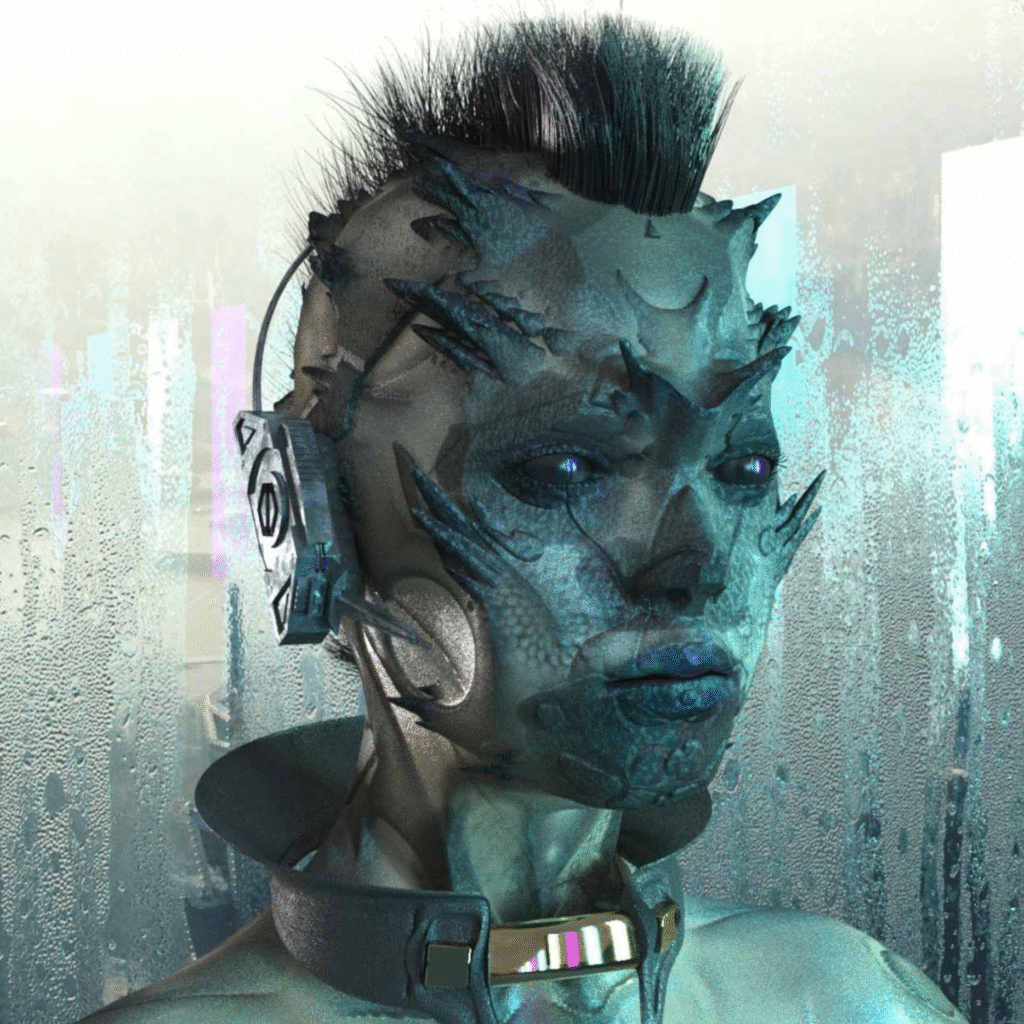
Animation is one of the fastest-growing creative careers in the world, and today, students from every background want to learn how to bring characters, objects, and stories to life on screen. Whether it’s films, YouTube videos, gaming, OTT platforms, or advertising, animation has become a part of every visual experience we enjoy daily. But many beginners still ask one important question — “What exactly is an animation course?” This complete beginner’s guide will help you understand what animation courses are, what skills they teach, how long they take, the types of animation fields available, job opportunities, salaries, and how you can start a successful career in animation even if you have zero experience. ⭐ 1. What is an Animation Course? An animation course is a professional training program where students learn how to create moving images, characters, environments, and visual storytelling using various animation techniques and software. Animation = Art + Technology + Storytelling Through these courses, you learn how to: Design characters Create movements Add expressions Build scenes Use animation software Produce final videos or films Animation courses are suitable for complete beginners, 10th or 12th pass students, and even working professionals who want a creative career. ⭐ 2. Who Should Take an Animation Course? Animation is perfect for anyone who loves creativity, storytelling, design, or digital work. Here are the ideal students for this field: ✔️ Creative thinkers People who enjoy imagination, drawing, or visual storytelling. ✔️ Students after 10th or 12th No need for science or maths. Any stream is accepted. ✔️ Gamers Anyone who loves gaming and wants to build characters or game environments. ✔️ YouTube or filmmaking lovers Perfect for students who want to create animated YouTube content. ✔️ People who enjoy drawing Even basic drawing skills help, but not mandatory. ✔️ Freelancers Anyone who wants to earn online through animation projects. ⭐ 3. What Do You Learn in an Animation Course? (Detailed Syllabus) Animation courses follow a structured curriculum that builds your skills from beginner to professional level. Below is a detailed breakdown: 🔹 3.1 Basics of Drawing & Design Even if you are not perfect at drawing, animation teaches you the fundamentals of: Shape building Line structure Character silhouettes Proportions Gesture drawing Facial expressions 👉 These skills help you create believable characters. 🔹 3.2 Principles of Animation These are the 12 core rules used by Disney animators to make movements look natural: Squash & Stretch – Makes movement flexible Anticipation – Prepares the viewer for action Staging – Clear presentation of ideas Straight Ahead Action & Pose to Pose – Two animation techniques Follow Through & Overlapping Action Slow In & Slow Out Arcs – Natural movement Timing Exaggeration Solid Drawing Appeal 👉 These principles bring life into your animation. 🔹 3.3 2D Animation In 2D animation, characters and backgrounds are drawn frame-by-frame or digitally. You learn: Character design Background design 2D movements Lip-sync Storyboarding Digital 2D tools like Adobe Animate or Toon Boom 👉 Perfect for cartoon creators and YouTubers. 🔹 3.4 3D Animation This is the most in-demand field in the animation industry. You learn: 3D modeling Texturing Rigging (adding bones to characters) Lighting Rendering Final animation Software used: Autodesk Maya Blender Cinema 4D 👉 Used in movies, games, and VFX-heavy projects. 🔹 3.5 VFX (Visual Effects) Basics VFX is used for creating explosions, magical effects, fire, smoke, and more. Topics include: Green screen removal Rotoscoping Motion tracking Compositing FX simulations Software used: Adobe After Effects Nuke Houdini 🔹 3.6 Editing & Sound Design You also learn how to polish your final video: Colour correction Audio cleanup Syncing sound Video transitions Exporting final renders 🔹 3.7 Portfolio & Showreel Creation This is the MOST important part of the course. You will create a professional: Portfolio Demo reel Project showcase 👉 This is what helps you get a job or freelance clients. ⭐ 4. Types of Animation Courses Different students choose different durations based on their need. 🔸 4.1 Short-Term Certificate Courses (3–6 Months) Best for beginnersIncludes: Basics of animation Software introduction Small assignments 🔸 4.2 Diploma Courses (1 Year) Covers: 2D + 3D + VFX basics Multiple projects Job-oriented training 🔸 4.3 Advanced Diploma Courses (2 Years) Professional-level training including: Full 3D pipeline Advanced VFX Motion graphics Internship or industry project 🔸 4.4 Bachelor’s Degree (3–4 Years) For students who want higher education: B.Sc. in Animation BA in Animation & Multimedia B.Des. in Animation ⭐ 5. Skills You Need to Become an Animator Animation requires a combination of artistic and technical skills.Here are the key abilities: ✔️ Creativity & Imagination Ability to create unique characters and story ideas. ✔️ Basic Drawing Skills Helps in understanding shapes, expressions, and body movement. ✔️ Software Knowledge Using animation tools confidently. ✔️ Patience & Observation Animation involves frame-by-frame detailing. ✔️ Storytelling Skills Creating engaging scenes and sequences. ✔️ Teamwork & Communication Most projects involve collaboration. ⭐ 6. Career Options After an Animation Course Animation opens many career paths with high growth and demand. Here are the top job roles: 1. 2D Animator For cartoons, explainer videos, and YouTube animation. 2. 3D Animator For movies, gaming, and VFX studios. 3. Character Designer Creating characters from scratch. 4. Storyboard Artist Visualizing scenes before production. 5. VFX Artist Creating digital effects. 6. Lighting Artist Setting realistic lighting in scenes. 7. Motion Graphics Designer Used in advertising and branding. 8. Game Designer Creating game characters and levels. 9. Modeling Artist Building 3D models for games and films. 10. Freelance Animator You can work online for international clients. ⭐ 7. Industries That Hire Animators Animators are hired across many industries: Film & Television OTT Platforms (Netflix, Prime Video, Hotstar) Gaming Studios Digital Marketing Agencies Advertising Companies Architecture Firms Medical & Educational Institutions Animation YouTube Channels E-learning Platforms Social Media Agencies ⭐ 8. Animation Salary in India Salary depends on skills, portfolio, and experience. Here is an average breakdown: Freshers (0–1 Year): ₹15,000 – ₹25,000 per month Mid-Level (2–4 Years): ₹30,000 – ₹50,000 per month Senior Artists (5+ Years): ₹60,000
Why Fans Love Monster Animation Movies: A Deep Dive
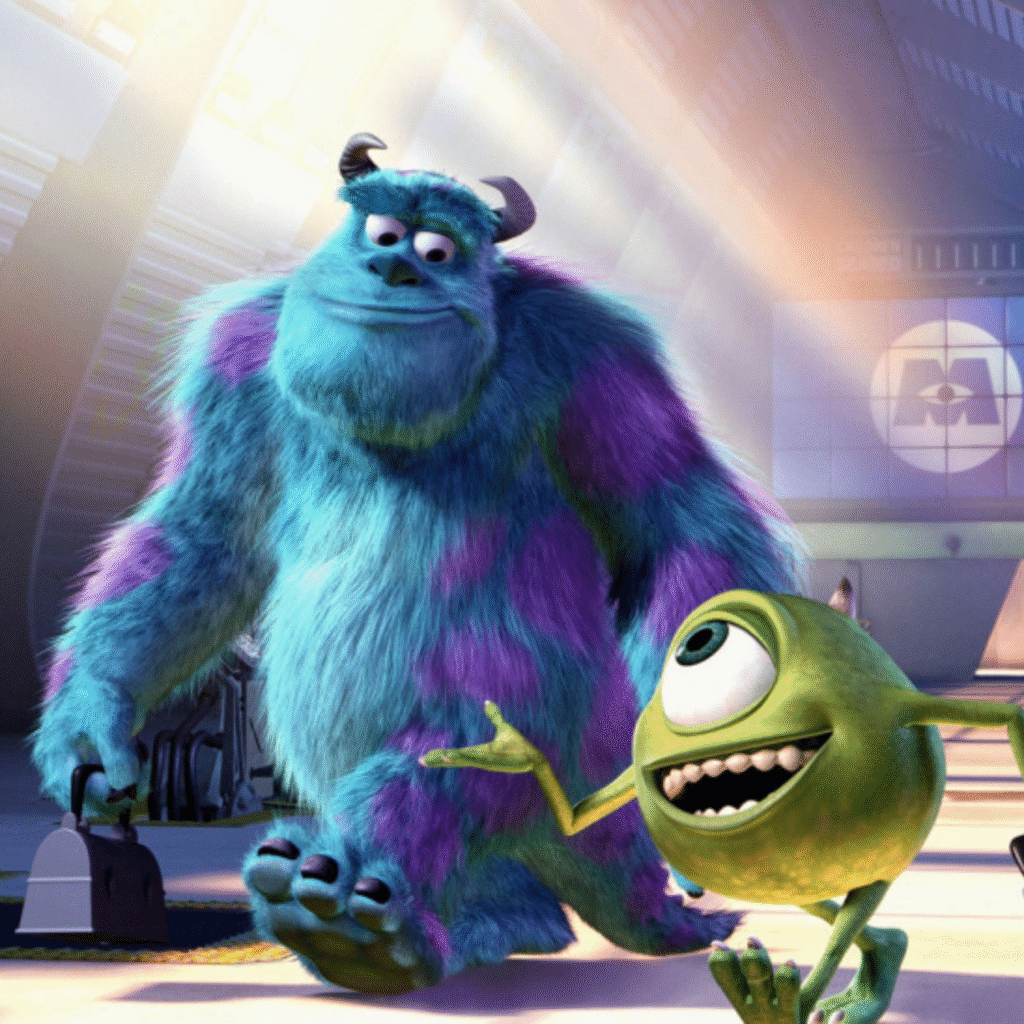
Monster animation movies have always held a special place in the world of entertainment, but in recent years—especially 2024–2025—their popularity has exploded like never before. Whether it’s massive kaijus, mythical dragons, supernatural creatures, or terrifying demons, monster-based animated films have captured the imagination of viewers across all age groups. But what exactly makes fans so obsessed with monster animation?Why do these movies go viral, break global streaming records, and build massive fan communities? In this deep-dive guide, we’ll explore every emotional, psychological, and creative reason behind the global love for monster animation. ⭐ 1. Monsters Represent Fear… and the Thrill of Overcoming It Humans are naturally fascinated by fear. Monster movies take that fear, wrap it in creativity, and present it in a cinematic way we enjoy. Why fans love this thrill: Monsters trigger adrenaline They make stories unpredictable Audiences enjoy watching characters face gigantic enemies It creates excitement without real danger This mix of fear + enjoyment is why monster content trends heavily on YouTube, Netflix, and anime platforms. ⭐ 2. Monster Animation Offers Unlimited Creativity No other genre gives creators so much freedom. Monster animation allows artists to break rules, combine species, invent new powers, and design creatures no one has ever seen. Fans love monster animation because: Every monster looks unique Storylines become unpredictable Visual design is stunning Worlds feel huge and imaginative From dragons with glowing scales to shadow beasts made of smoke, fans get visuals they can’t find anywhere else. ⭐ 3. Deep Emotional Storytelling Makes Fans Connect Contrary to popular belief, monster movies aren’t just about action. Some of the most emotional animated films revolve around monsters: Toothless from How to Train Your Dragon King Kong Godzilla Demon Slayer demons Pokémon creatures These characters often have: tragic backstories emotional struggles protective instincts layers of personality Fans don’t just watch monsters—they feel for them. This emotional connection creates massive global fandoms. ⭐ 4. Monster Movies Deliver Next-Level Cinematic Action If people want powerful fight scenes, dramatic destruction, and epic battles—monster animation delivers better than any other genre. Monster movies usually include: flying creatures fire-breathing dragons supernatural powers magic-based battles massive explosions earth-shaking combat These action sequences look even better in animation, because animators can exaggerate physics and create visuals impossible in live action. ⭐ 5. They Create Huge, Immersive Fantasy Worlds Monster animation almost always includes stunning worlds: magical forests ancient kingdoms futuristic dystopias underwater cities volcano-filled monster territories Fans love exploring new universes that offer: unique cultures mythological creatures fantasy landscapes hidden secrets This world-building is what keeps fans returning for sequels, spin-offs, and series. ⭐ 6. Monsters Symbolize Inner Emotions & Human Nature Many monster films are metaphors for: anger depression love loneliness greed trauma transformation This deeper meaning resonates with fans. For example: Godzilla represents nature’s revenge King Kong symbolizes misunderstood strength Anime demons often represent human pain Fans love these symbolic layers. It makes monster movies meaningful and relatable. ⭐ 7. Monster Characters Become Iconic Fan-Favorites Some fan communities adore monsters more than heroes. Characters like: Godzilla Kong Leviathan creatures Demon Slayer demons Titans from Attack on Titan Pokémon like Charizard These characters: inspire merch get millions of fan arts trend on social platforms become mascots for franchises Fans proudly follow their favorite monsters across films, games, and animations. ⭐ 8. Technology Makes Monster Animation More Stunning Than Ever 2025 animation technology has taken monster films to a new level. Latest tools include: Motion capture AI creature generators 3D sculpting (ZBrush, Blender) Procedural animation Real-time rendering (Unreal Engine 5) These technologies create: super-detailed scales realistic muscle movement glowing eyes fluid fire/water effects believable transformations Fans love modern monster designs because they feel alive. ⭐ 9. Monster Movies Appeal to All Age Groups Kids love monsters for fun and adventure.Teens love them for action and fantasy.Adults love them for deeper storytelling. This multi-age appeal boosts popularity. That’s why monster movies: trend globally become viral on social media break OTT view time records get millions of YouTube fan edits Everyone finds something they enjoy. ⭐ 10. Fan Communities Make Monsters Even More Popular Monster fandoms are some of the most active online: fan art cosplay fan theories monster origin stories animation shorts gaming crossovers Platforms like Reddit, Instagram, and TikTok are full of monster content. Fans keep the trend alive and growing. This community passion boosts: monster-related animations merchandise fan films web series studio projects ⭐ 11. Monster Comedy & Cute Monsters Are Also Trending Not all monsters are scary! Fans love: cute monsters (like Pokémon) funny monsters (like Monsters Inc.) misunderstood creatures buddy-monster stories This variety keeps the genre fresh. ⭐ 12. Monster Movies Reflect Cultural Mythology Many monster films are inspired by: Indian mythology Japanese folklore Greek legends Chinese mythical beasts Viking tales Fans enjoy learning about: ancient creatures gods demons symbolic beasts Monster animation becomes a cultural bridge. ⭐ 13. The Gaming Industry Amplifies Monster Popularity Games like: Monster Hunter God of War Elden Ring Dark Souls Genshin Impact Pokémon have massive monster fandoms. When gaming and animation combine—monster popularity explodes. Fans enjoy: cinematic monster cutscenes animation-led game trailers character origin stories ⭐ 14. Monster Animation Allows Powerful Villains Every great story needs a great villain. Monster antagonists: look dangerous act unpredictably create tension drive the story forward Fans love high-stakes drama with iconic villains: Titans Dragons Demons Mutants Aliens ⭐ Conclusion Monster animation movies have become a global phenomenon because they mix: creativity emotion action fantasy deep symbolism advanced technology Fans love monster animations because they offer unforgettable worlds, thrilling sequences, and characters that stay in the audience’s hearts long after the credits roll. FAQs 1. Why are monster animation movies so popular? Because they combine action, fantasy, emotional depth, and highly creative monster designs. 2. Which age group enjoys monster animation most? Kids, teens, and adults—the genre appeals to all age groups. 3. Are monster animations only about scary creatures? No, many monster films include cute, funny, and emotionally complex characters. 4. Why do monster movies
How Monster Animation Became One of the Biggest Trends in 2025
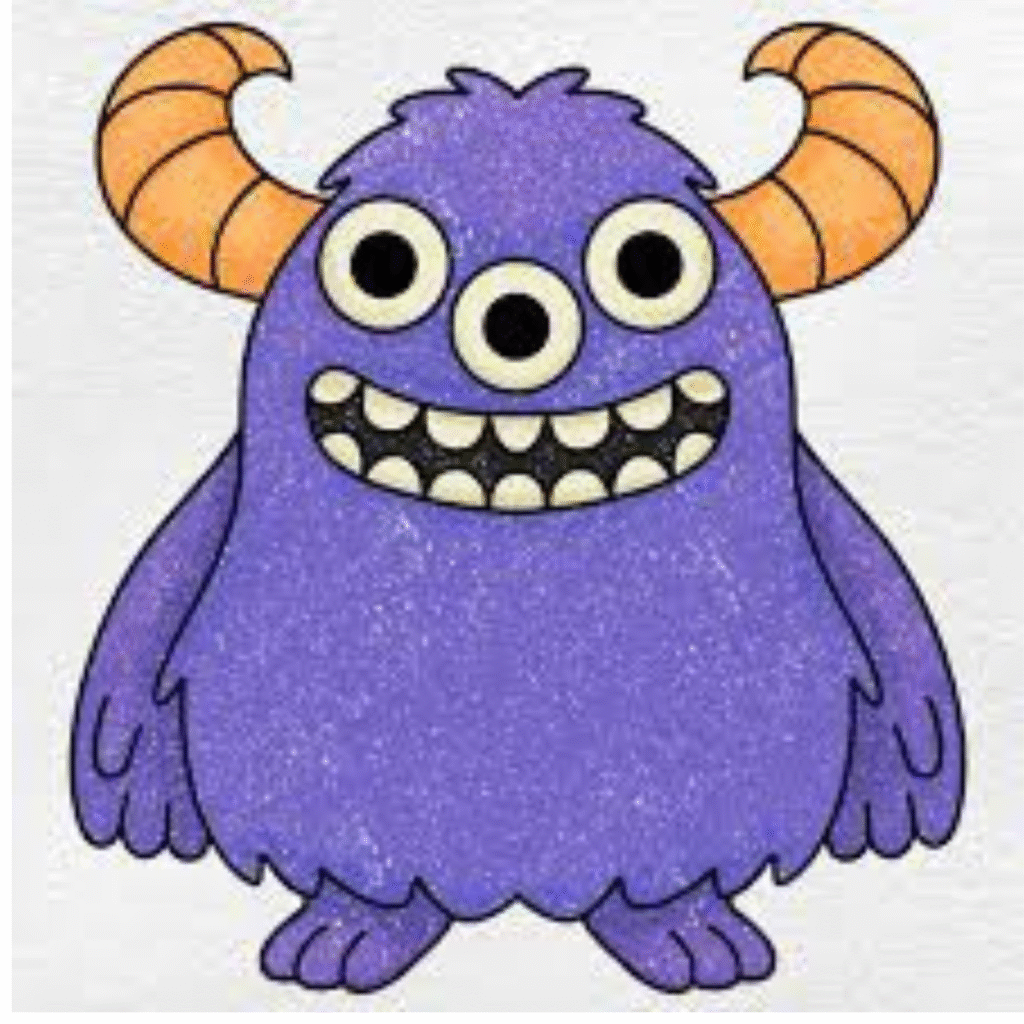
Animation has always evolved with technology, creativity, and audience preferences. But in 2025, one genre broke all records—Monster Animation. Whether it’s animated movies, web series, YouTube shorts, VR content, or gaming cinematics, monster-based animation became a global craze. From giant beasts to mythological creatures, studios are pushing boundaries and giving fans visually stunning, emotionally rich monster characters. But what made monster animation so popular in 2025?Why are audiences obsessed with dark, powerful, mysterious creatures?And how did technology make this genre bigger and better than ever before? Let’s break it down. ⭐ 1. The Global Shift Toward Fantasy & Dark-Themed Content 2025 saw an explosive rise in fantasy-based storytelling. Streaming platforms like Netflix, Amazon, Crunchyroll, and Disney+ invested heavily in fantasy universes. With this shift, monster animation naturally gained huge traction. Why people love dark fantasy monster stories? They provide escape from real-world stress Audiences enjoy powerful characters with mysterious backgrounds Monsters represent emotions like fear, strength, and transformation Visually rich scenes keep viewers hooked From dragons to kaijus to mythical creatures—viewers wanted bigger, scarier, and more imaginative monsters than ever before. ⭐ 2. AI & 3D Technology Revolutionized Monster Designing 2025 marks a technological revolution. Today, animators don’t just draw monsters—they build, simulate, and train them using AI tools. Technologies transforming monster animation: AI concept generators for initial monster sketches 3D sculpting tools like ZBrush and Blender Procedural animation systems for realistic movement Physics-based simulations for body mass, skin, fire, claws, etc. Motion capture suits to animate massive creatures naturally This means today’s monsters: Move realistically React with the environment Have detailed skin, bones, muscles Look truly alive And that realism made audiences fall in love with monster content. ⭐ 3. Monster Animation Offers Endless Creativity One major reason for the trend? There are NO RULES in monster animation. You can create: half-human, half-dragon giant ocean beasts invisible shadow monsters mythological creatures futuristic mutant monsters This creative freedom attracts: Students Indie creators Professional studios YouTubers Everyone wants to experiment—and monster animation gives them more room for creativity than any other genre. ⭐ 4. Monster Movies Became Global Blockbusters 2024–2025 was a historic era for the animation industry.Monster-themed films broke massive records globally. Why monster movies do so well? Kids love them Teens follow monster fandoms Adults enjoy fantasy with deep emotional storytelling Also, monster movies naturally allow: Powerful sound design Intense fight sequences Huge cinematic scenes Larger-than-life heroes and villains This universal appeal boosted the trend dramatically. ⭐ 5. Gaming Industry Boosted the Monster Animation Craze One of the biggest reasons monster animation exploded in 2025 is gaming. Popular games with monster character dominance: Monster Hunter God of War Elden Ring Diablo Skyrim Genshin Impact League of Legends Games need: Detailed monster rigs Cinematic animations Attack sequences Transformation shots And animators specializing in monsters are in huge demand. Many studios today specifically hire artists trained in: Creature animation Monster rigging 3D sculpting VFX for monster powers This opened new high-paying career paths for students. ⭐ 6. Social Media Made Monster Animation Go Viral Platforms like: YouTube Instagram TikTok Snapchat Spotlight Facebook Reels are full of monster animation clips.Creators upload: Monster fight scenes Transformation animations Short films Mythological monster stories AI-generated monster visuals These short videos get millions of views—massive engagement whipped up the trend even more. ⭐ 7. Monster Animation Allows Emotional Depth Surprisingly, monster characters are not just scary.They often have: tragic past emotional journey moral complexity This makes them more relatable than simple heroes or villains. Examples: Toothless (How to Train Your Dragon) Godzilla King Kong Demon Slayer monsters Pokémon creatures Modern scripts portray monsters as characters who: struggle protect evolve feel emotions This emotional storytelling provides depth that audiences love. ⭐ 8. Studios Are Building Entire Monster Universes Just like Marvel built a superhero universe—Animation studios now build Monster Universes. Examples: MonsterVerse (Godzilla, Kong) Dragon Cinematic Universes Anime universes with demons & beasts Gaming-based monster cinematic universes These interconnected worlds create long-term fandoms.Audiences follow: sequels spin-offs character backstories monster origins This trend exploded in 2025 and will continue for years. ⭐ 9. Students Are Actively Learning Monster Animation As studios demand monster specialists, animation students are shifting their focus. Most in-demand monster animation skills: Creature rigging Monster body mechanics Facial deformation for beasts Wing, tail, horns animation Animal movement study VFX for monster powers Unreal Engine cinematic rendering Courses offering monster specialization are trending globally, especially in India. ⭐ 10. The Future of Monster Animation (2026–2030) Monster animation is not slowing down.Here’s what to expect: Coming trends AI-assisted 3D monster modeling Hyper-realistic skin & muscle simulations Real-time monster rendering in games Monster-based VR and AR adventures New monster cinematic universes Indie monster films becoming mainstream Monster NFTs & digital collectibles Monster animation will dominate: OTT platforms YouTube Gaming industry VR worlds Film industries Simply put—Monster animation is here to stay, evolve, and dominate. FAQs 1. Why did monster animation become so popular in 2025? Because of advanced 3D tech, AI tools, streaming platforms, and global demand for fantasy content. 2. Which industries use monster animation the most? Gaming, films, OTT platforms, VR content, and short-form social media. 3. Is monster animation a good career option? Yes, studios hire monster specialists for animation, rigging, VFX, and cinematic sequences. 4. What skills are required for monster animation? Creature rigging, 3D sculpting, physics simulation, motion study, and VFX integration. 5. Which software is best for monster animation? Blender, Maya, ZBrush, Houdini, Unreal Engine, and Nuke. 6. Do monster animation videos perform well on social media? Yes, monster animations often go viral due to their visual impact and creativity.
The Rise of Monster Animation: Why Monster Characters Are Dominating the Animation Industry in 2025
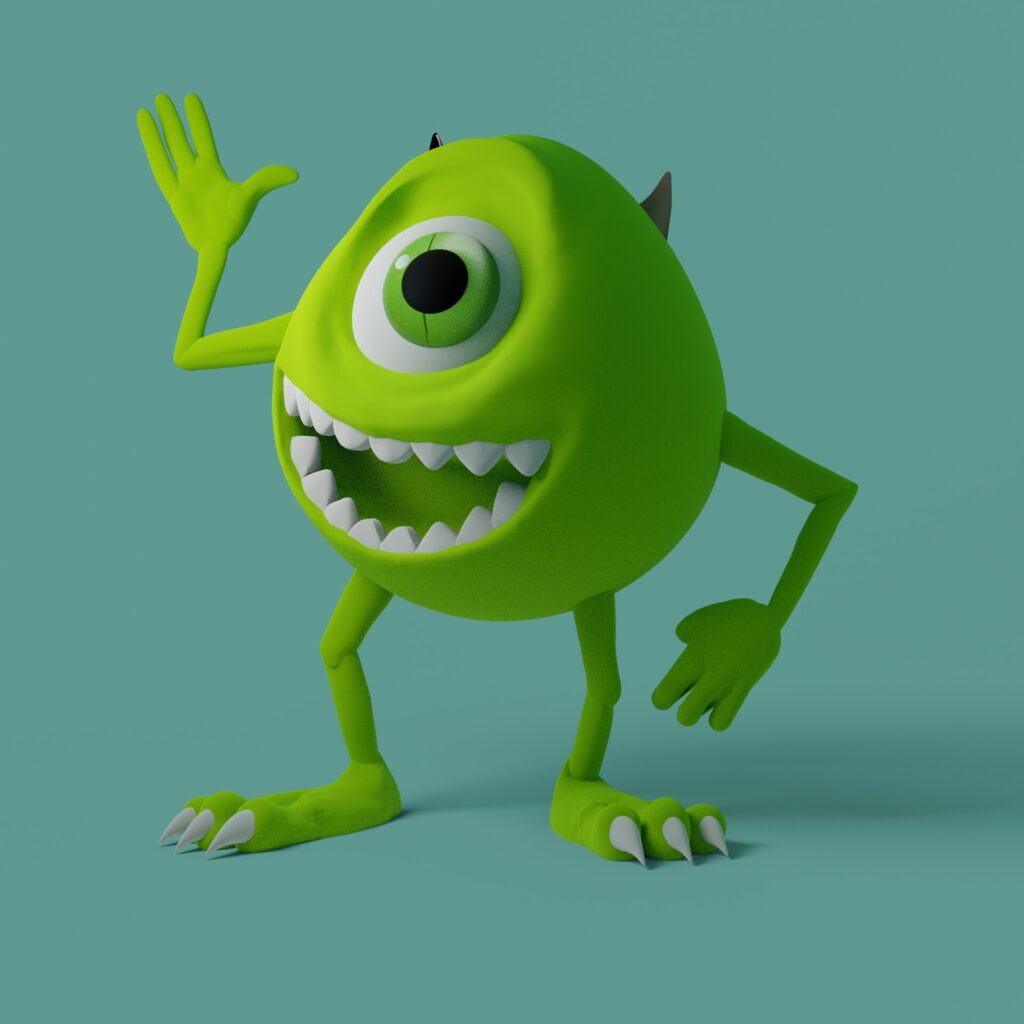
Monster animation has become one of the fastest-growing creative niches in the global animation industry. From feature films and OTT series to gaming and advertising, monster characters are everywhere—and audiences absolutely love them. In 2025, the world of animation has evolved into a space where unique creature design, high-detail modeling, and advanced VFX are creating unforgettable monster worlds. Whether it’s cute monsters like Monsters Inc., gigantic beasts like Godzilla, or dark fantasy creatures in anime and games, monster animation offers endless creative possibilities. For students and professionals, monster animation has become one of the most demanded and high-paying career paths. But why? Let’s dive deep. 1. Why Monster Animation Is Trending in 2025 1.1 Global Audience Fascination With Non-Human Characters Monster characters allow directors and animators to break boundaries of realism. They can be scary, cute, funny, magical, or horrifying—making them more versatile than human characters. OTT and game companies love this flexibility. 1.2 High Demand in Movies, OTT, and Games 2025 sees the highest production rate of: Monster-based Hollywood films Japanese monster anime Mobile and PC video games with creature combat VFX-heavy streaming series Monster animation is no longer niche—it’s mainstream. 1.3 Perfect Blend of Animation + VFX Monster animation sits at the intersection of: Character design Creature rigging Motion capture CGI Simulation & FX Because of this combination, studios pay premium salaries to animators who can handle creature work. 2. Monster Animation in Films & OTT: The New Storytelling Powerhouse 2.1 Hollywood Monster Universe Expanding Movies like: Godzilla x Kong Pacific Rim A Quiet Place The Witcher beasts Avatar creatures …have pushed monster animation to new levels. 2.2 OTT Platforms Boost Monster Characters Netflix, Disney+, Amazon Prime, Crunchyroll—sab monster-based animated stories bana rahe hain.Examples: Love, Death & Robots Monster Hunters Kaiju No. 8 These shows require enormous creature animation teams. 3. Monster Animation in Gaming (2025 Career Booster) 3.1 Gaming Industry = 10x Monster Demand Games like: Elden Ring Monster Hunter God of War The Last Guardian PUBG Creatures (events) All require monster modeling, behavior animation, AI movement, and fight mechanics. 3.2 Why Monster Animation Suits Games Monsters can have exaggerated movements Players love fighting unique creatures Boss monsters make gameplay more challenging Isliye gaming industry me monster animation ka boom chal raha hai. 4. Skills You Need to Become a Monster Animation Specialist 4.1 Creature Design (Must-Have Skill) Monster animators must understand: Anatomy (real + fantasy) Bone structures Muscle movement Proportional exaggeration Behavior (aggressive, calm, playful, scary) 4.2 Sculpting & Modeling Skills Tools: ZBrush Blender Maya 3ds Max These help create high-detail scales, skin textures, horns, claws, teeth, wings, etc. 4.3 Monster Rigging Complex monster rigs include: Multi-joint tails Extra limbs Wings Tentacles Expanding jaws Only skilled riggers can handle this complexity. 4.4 Monster Movement Animation Students must learn to animate: Heavy body weight Animal-like movements Creature attacks Roaring cycles Idle breathing loops Running cycles 4.5 VFX Integrations Monsters often include: Fire Smoke Slime Glow effects Energy blasts Blood simulations Environmental destruction So VFX basics are mandatory. 5. Tools Used in Monster Animation (2025 Industry Standard) Monster animators use advanced tools like: ZBrush (creature sculpting) Blender (animation & sculpting) Autodesk Maya (full monster animation pipeline) Substance Painter (texturing) Unreal Engine (real-time monsters) Houdini (FX for monster attacks & environments) Nuke (compositing) These tools help create Hollywood-level creatures. 6. Steps to Create a Monster Animation (Student-Friendly Guide) Step 1: Concept Art Start with sketches of: Silhouette Structure Details Colors Step 2: Sculpting the Monster Use ZBrush or Blender to sculpt the full creature. Step 3: Retopology & UV Mapping Optimize mesh for animation. Step 4: Texturing & Detailing Add skin bumps, scars, veins, metallic parts, etc. Step 5: Rigging the Monster Create skeleton and controls for animation. Step 6: Animating Movements Add walk cycles, breathing, roars, attacks. Step 7: Adding FX Fire, smoke, slime, magic FX. Step 8: Rendering & Compositing Final look creation. 7. Career Opportunities in Monster Animation (High-Paying Roles) 7.1 Job Roles Creature Animator Creature Designer Monster Modeler VFX Artist FX Animator Character TD ZBrush Artist Game Creature Animator Environment FX Artist 7.2 Salary Expectation in India (2025) Role Salary Range Junior Monster Animator ₹3–6 LPA Mid-Level Animator ₹6–12 LPA Senior Creature Animator ₹12–30 LPA VFX Creature Artist ₹20–45 LPA International Studio Jobs $50,000 to $140,000 / year 8. Famous Monster Animations Students Should Study Hollywood Monsters: Godzilla King Kong Demogorgon (Stranger Things) Balrog (Lord of the Rings) Dragons (Game of Thrones) Anime Monsters: Kaiju (Kaiju No. 8) Titans (Attack on Titan) Curses (Jujutsu Kaisen) Demons (Demon Slayer) Gaming Monsters: Elden Ring bosses Monster Hunter creatures God of War giants Witcher beasts Studying these helps improve your own monster animation skills. 9. Why Monster Animation Offers High-Paying Jobs ✔ Studios demand advanced skills Monster animation is more difficult than character animation. ✔ Monster animation requires multi-skill training Artists must know modeling + rigging + VFX + anatomy. ✔ Monster characters attract viewers The more popular the character → the higher the studio investment. ✔ Limited artists, high demand Very few animators specialize in monsters—creating massive job opportunities. 10. How Students Can Start Monster Animation Today Practice simple monster sketches Model small creatures (frogs, lizards, fantasy bugs) Learn walk cycles of animals Study monster references Join an advanced animation course Build a monster showcase reel Conclusion Monster animation has completely reshaped the animation, gaming, and VFX industries in 2025. Studios are aggressively hiring skilled monster animators who can create believable, exciting, and visually intense creatures. If you love creature design, unique characters, or fantasy worlds, monster animation is one of the most rewarding creative careers you can choose. With the right skills, tools, and portfolio, you can easily enter top global studios and work on blockbuster monster universes.
How to Build a Professional Animation Portfolio That Gets You Hired in 2025
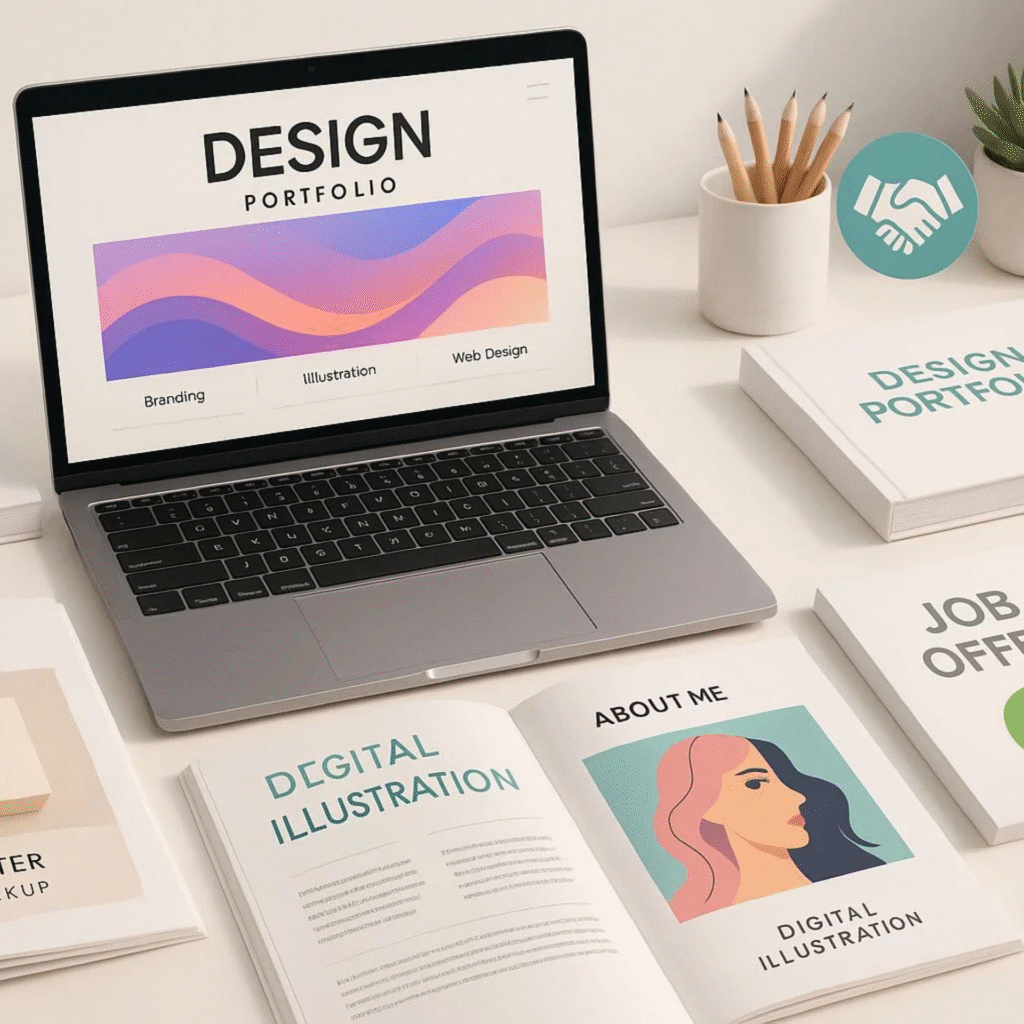
How to Build a Professional Animation Portfolio That Gets You Hired in 2025 In 2025, the animation industry is witnessing a massive transformation. Studios, production houses, game companies, ad agencies, and OTT platforms are hiring more animators than ever before. However, with rising demand comes rising competition. Today, having skills is not enough—you need a professional animation portfolio that showcases your creativity, technical abilities, and storytelling power. Your portfolio is your first impression, your digital identity, and your strongest tool to get hired. Whether you’re an animation student, a beginner, or someone looking to upgrade your career, building a job-winning animation portfolio is the key to landing high-paying opportunities in 2025. This detailed guide will show you what to include, what to remove, how to organize, how to present, and how to stand out—ensuring your portfolio impresses recruiters instantly. 1. Why Your Animation Portfolio Matters in 2025 A professional portfolio acts as your showcase to demonstrate your skills. Recruiters no longer rely only on resumes; they want to see what you can create. In 2025, studios prefer hiring artists who can prove their abilities through high-quality portfolio work rather than just certificates. A great portfolio helps you: ✔ Get shortlisted faster ✔ Prove your style, creativity, and expertise ✔ Stand out from thousands of applicants ✔ Build trust even before the interview ✔ Get high-paying freelance assignments ✔ Create a strong personal brand Animation studios look for creativity, clean execution, storytelling, and consistency. Your portfolio is your biggest opportunity to show exactly that. 2. Types of Animation Portfolios (Choose What Fits You) Depending on which field of animation you wish to enter, your portfolio will look different. In 2025, these are the most in-demand categories: 1. 2D Animation Portfolio Includes character animation, frame-by-frame sequences, 2D motion graphics, character expressions, lip-sync tests. 2. 3D Animation Portfolio Includes modeling, texturing, rigging, lighting, rendering, character animation, and environment design. 3. Motion Graphics Portfolio Includes explainer videos, logo animations, UI transitions, infographic animations, kinetic typography. 4. VFX Portfolio Includes compositing, tracking, green screen removal, CGI integration, particle simulations. 5. Game Animation Portfolio Includes character rigs, game cycles (walk, run, jump), game environments, fighting moves, cutscenes. Choose your category and build portfolio pieces specific to that niche. 3. What to Include in a Professional Animation Portfolio (Must-Have Items) To impress recruiters in 2025, your portfolio must have a strategic structure. Here’s what it should include: ✔ 1. Your Best Animation Work (Quality Over Quantity) Pick 6–10 of your strongest, cleanest, and most polished animations. Do NOT add average work just to fill space. One bad clip can spoil your first impression. Pro Tip:Keep your best work at the beginning and end. It increases retention and impact. ✔ 2. A Strong Showreel (30–90 Seconds) Your showreel is the highlight of your portfolio. It should include: Smooth transitions Best 2D/3D clips Only high-quality renders Your strongest skill (modeling, animation, VFX, etc.) Never exceed 90 seconds—recruiters don’t have time to watch long reels. ✔ 3. Breakdown of Your Work Recruiters want to know what YOU did in a project. Write short descriptions like: “Character animation done by me” “Modeling and texturing by me” “Rig downloaded, animation done by me” This builds trust. ✔ 4. Before & After Shots (For VFX and 3D) Show raw footage → final compositionShow untextured model → final render Nothing impresses more than a clear transformation. ✔ 5. Your Specialization Section Create a section dedicated to your strongest skill: Examples: “3D Character Animation” “Environment Modeling” “Motion Graphics Projects” “VFX Compositing” This helps recruiters know your area instantly. ✔ 6. About Me Section (Short & Professional) Keep it simple: Who you are What you specialize in Your experience (if any) Software you use Your goals ✔ 7. Contact Information Include: Email Behance/ArtStation/LinkedIn Phone number Website link Make it easy for recruiters to reach you. 4. Mistakes to Avoid in Your Animation Portfolio (These Kill Your Chances) Avoid these common mistakes that can instantly reduce your chances of getting hired in 2025: ❌ Adding too many projects More work ≠ better work. Choose quality. ❌ Showing incomplete work No low-quality renders, rough tests, or drafts. ❌ Using copyrighted music Your showreel may get muted or deleted, ruining your impact. ❌ Not providing breakdown notes Recruiters must know what parts you actually created. ❌ Unprofessional thumbnails or layouts Your portfolio should look clean, modern, and easy to navigate. ❌ Not updating regularly If your last project is from 2022, it gives a bad impression. 5. Best Platforms to Host Your Animation Portfolio In 2025, the ideal platforms include: ⭐ ArtStation – Best for 3D, VFX, and character work ⭐ Behance – Best for motion graphics and 2D animation ⭐ YouTube / Vimeo – Best for hosting showreels ⭐ Dribbble – Best for motion graphics snippets ⭐ Your Own Website – Best for branding and professionalism If you are serious about long-term growth, build your own personal website. It gives you full branding control. 6. How to Structure a Job-Winning Showreel (Step-by-Step) Your showreel decides whether a recruiter will continue viewing your portfolio. Here’s how to make a powerful showreel: Step 1: Start With Your Strongest Shot Don’t wait—grab attention immediately. Step 2: Show Variety but Stay Relevant If you’re applying for a 3D animation job, show mostly 3D—not motion graphics or VFX. Step 3: Keep Good Music & Smooth Flow Choose energetic, copyright-free music. Step 4: Add Your Name & Contact Put this at the beginning and end. Step 5: Export in HD or 4K Crystal-clear video builds trust and professionalism. 7. How to Make Your Animation Portfolio Stand Out in 2025 To beat the competition, follow these pro strategies: ⭐ 1. Add Personal Projects Studios love original concepts. Create your own short animation or motion graphics sequence. ⭐ 2. Show Your Creative Process Add storyboard → animatic → final animation.This shows your thinking ability. ⭐ 3. Keep a Unique Visual Style Build a signature look—color style, character style, camera movement, etc. ⭐ 4. Add Industry-Relevant
Why Learning Animation Online Is Better Than Traditional Classroom Courses

The animation industry has completely transformed in the last few years. With OTT platforms booming, gaming expanding, and global studios hiring remote artists, animation has become one of the fastest-growing digital career fields. But along with this demand, the way students learn animation has also changed. Gone are the days when traditional classroom training was considered the only serious way to learn animation. In 2025, online animation courses have become the top choice for students, professionals, and even working freelancers. The reason is simple:Online animation learning is faster, cheaper, smarter, more flexible, and more industry-relevant than most classroom-based courses. This blog explains why online animation training is far better than traditional classroom education—and why thousands of students are shifting to online programs every year. 1. Online Animation Courses Offer Maximum Flexibility Traditional animation classrooms force students to follow fixed timings, batch schedules, and location-based attendance. But animation is a creative skill, and creativity doesn’t follow a timetable. ✔ With online animation learning, you get: Freedom to learn anytime, anywhere Option to pause, replay, and revise lessons No missing classes due to travel, health, or timing issues Ability to learn at your own speed (slow or fast) Comfort of learning from home without distractions For students who are working, studying, or managing personal responsibilities, online training gives them a perfect balance. 2. Online Courses Are Far More Affordable Than Offline Institutes Most traditional animation institutes charge high fees because they include: Classroom rent Maintenance costs Electricity Staff salaries Marketing expenses Lab setup costs Online courses eliminate all these overheads.Students only pay for content + mentorship, not for physical expenses. This means: Lower fees High-quality training No travel or hostel costs No expensive equipment needed Massive savings for students and parents With online learning, the same skills that offline institutes teach for ₹1–2 lakhs can be learned for a fraction of the cost. 3. Online Animation Courses Provide Access to Global Mentors Traditional classrooms are limited to teachers who live in your local area.But online platforms allow you to learn from: International animators Industry experts from top studios Skilled freelancers Professional VFX artists Game designers and rigging specialists You get exposure to global standards instead of outdated local teaching styles. Benefits of learning from global mentors: Higher-quality work Better portfolio guidance Exposure to industry-level workflows Real feedback on assignments Direct insight into studio expectations This kind of learning is unmatched in traditional classrooms. 4. Online Learning Gives You Lifetime Access to Lessons In classroom training, once a session is over—you can’t revisit it.If you miss something, the opportunity is gone. But online animation courses give lifetime or long-term access, meaning: You can watch lessons again during portfolio preparation You can revise concepts during job interviews You can learn advanced techniques whenever needed You can rewatch new updates added by the institute This ensures continuous growth, which traditional training cannot offer. 5. Online Platforms Use the Latest Software & Up-to-Date Content Many offline institutes use old software versions and outdated teaching material because upgrading systems is expensive. Online courses, on the other hand, regularly update content because digital updates cost nothing. You get training in: Latest animation tools AI-driven software Industry workflows Current techniques used by global studios Modern pipelines used in films & gaming This gives you a major advantage over classroom-trained students. 6. Online Learning Helps You Build a Strong Portfolio Faster Portfolio is the most important thing for an animator—more important than a degree. Online courses help you build: Character animations VFX scenes Motion graphics reels 3D models Texturing and lighting renders Before/after breakdowns Short animated clips You get proper project-based training where every module ends with a real portfolio piece. Traditional classrooms often rush through projects because of batch timing and syllabus limitations. 7. Online Learning Encourages Deep Practice Instead of Batch Pressure Animation cannot be mastered in a hurry.But classroom training often forces students to finish assignments quickly due to: Batch pressure Limited class hours Instructor availability Time restrictions Online learning gives you unlimited time to practice. You can: Spend 5 hours on a pose Perfect a character walk cycle Rework a scene repeatedly Improve rendering quality Replay feedback again and again This leads to higher-quality work, which directly increases career opportunities. 8. Online Courses Offer Industry-Level Assignments & Real Projects Many offline institutes use the same outdated assignments every year.Online courses are designed by industry professionals working in: Films Gaming OTT Advertising Real-time animation VFX studios You get real-world tasks like: Character animation shots Rigged models Motion capture cleanup VFX compositing 3D environment design Cinematic sequences Such projects help you stand out during job placements. 9. Online Learning Builds Self-Discipline, a Key Skill for Animators Animation requires patience, consistency, and focus. Online learning naturally builds: Self-learning ability Time management Creative discipline Problem-solving Independent workflow practices These qualities make you studio-ready, because animation studios prefer self-sufficient artists. 10. Online Courses Offer Better Certification & Global Recognition Many online platforms collaborate with: International universities Global studios Industry mentors Software companies This gives you globally recognised certificates that are more valuable than local institute certificates. Your resume automatically gets stronger. 11. Online Platforms Provide Better Placement Assistance Traditional institutes often promise placements but provide limited support. Online platforms, however, offer: Live portfolio reviews Resume writing guidance Interview preparation Job alerts Freelance project support Direct referrals to studios Worldwide remote job opportunities Because online training prepares you better—the hiring rate is higher. 12. Online Learning Prepares You for Remote & International Jobs The global animation industry has shifted massively towards remote work. Studios hire artists from any country as long as they have: Skill Portfolio Internet Professional discipline Online learning naturally prepares you for this digital working environment. Classroom learning does NOT. ⭐ Conclusion: Online Animation Learning Is the Future Online animation courses offer everything that matters in 2025: ✔ Flexibility✔ Affordability✔ Global mentorship✔ Updated content✔ Real projects✔ Portfolio focus✔ Remote job preparation✔ Better placement opportunities Traditional classroom training simply cannot match the speed, quality, and convenience of online learning.
Top Skills Every Animation Student Must Learn to Get High-Paying Jobs
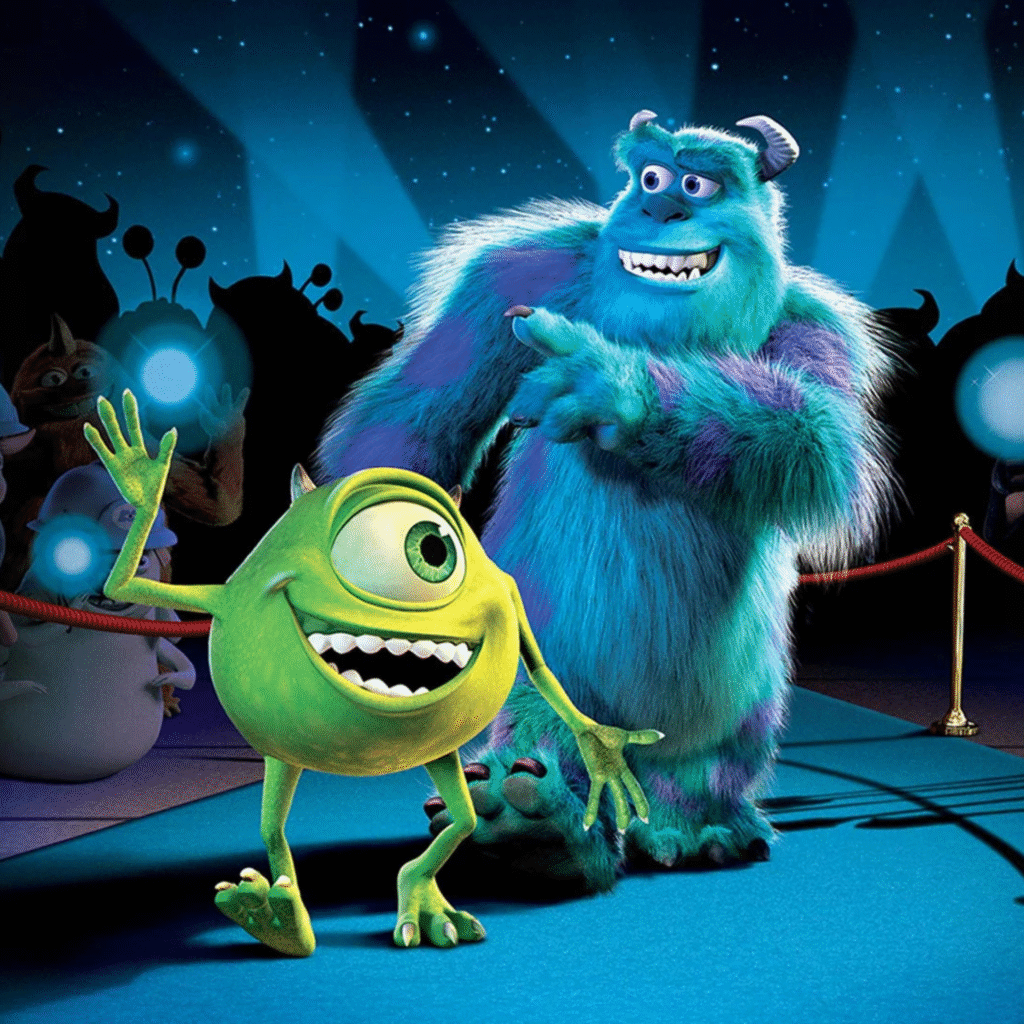
The animation industry is experiencing one of the fastest growth phases in history. From feature films and OTT platforms to gaming, advertising, education, and the metaverse, animation has become a fundamental pillar of global digital content. As studios scale rapidly and the demand for hyper-realistic visuals continues to explode, companies now seek animation professionals who are not just talented—but equipped with advanced, industry-ready skills. In 2025, the competition is intense. Studios want speed, precision, creativity, and mastery over modern tools. Students who focus on the right skills are getting high-paying job offers from leading studios, remote opportunities from global clients, and freelance projects worth lakhs. This blog reveals the top essential skills EVERY animation student must learn to secure high-paying roles in the professional world. 1. Strong Foundation in Drawing, Anatomy & Visual Design No matter how advanced software becomes, the foundation of animation will always be rooted in strong visual understanding. Students who invest time mastering the basics stand out instantly. ✔ Why it matters: Helps create realistic and appealing characters Strengthens storytelling through visuals Improves 2D & 3D animation quality Makes you a versatile artist across industries What you must learn: Human & animal anatomy Gesture drawing Proportions & poses Line of action Perspective & shading Lighting & color theory These fundamentals ensure your animations look natural, dynamic, and visually engaging. 2. Mastery of 2D Animation Techniques 2D animation remains in huge demand, especially on OTT platforms, YouTube, advertising, and mobile content. Essential 2D skills include: Frame-by-frame animation Lip-sync techniques Character design Motion graphics Storyboarding Scene transitions Vector-based animation Tools you MUST learn: Adobe Animate Toon Boom Harmony Krita After Effects (for motion graphics) If you can animate smooth character movements, expressions, and complex action sequences—you already qualify for high-paying roles. 3. Complete Command Over 3D Animation 3D animation is the backbone of games, films, architectural visualization, AR/VR, and industrial design. Studios require animators who can bring characters and environments to life with precision. Skills that matter: 3D Modeling Rigging Texturing Animation & Motion Lighting Rendering Simulation (cloth, particles, hair, water) Tools you must master: Autodesk Maya Blender Cinema 4D 3ds Max Houdini (for advanced VFX) A 3D artist with strong technical and creative balance is among the highest-paid professionals in the industry. 4. Professional-Level VFX Skills VFX is one of the fastest-growing sectors, especially with OTT, gaming cutscenes, TV commercials, and films using advanced CGI. Must-have VFX abilities: Rotoscoping Compositing Green screen removal Particle effects Match moving Matte painting CGI environment creation Tools to learn: Nuke Adobe After Effects Fusion Mocha Pro Houdini VFX artists are earning exceptionally well due to massive demand in production studios across India and abroad. 5. Motion Graphics & Digital Advertising Skills Motion graphics is the king of the modern marketing world. Brands use animated explainer videos, logo animations, social media reels, and dynamic presentations. Must-learn skills: Kinetic typography Logo animation Animated UI/UX elements Infographic animation Visual transitions Brand identity animation Tools needed: After Effects Cinema 4D Adobe Illustrator Premiere Pro This skill opens doors to agency jobs, freelance clients, startups, and corporate brands that pay premium rates. 6. Understanding of AI-Driven Animation Tools In 2025, AI is not replacing animators—it’s empowering them. Studios want artists who can use AI tools to accelerate workflow and enhance quality. AI skills now in demand: AI character rigging AI lip-sync automation Motion capture using AI AI background generation Text-to-animation tools AI-assisted editing & compositing Tools to explore: Adobe Firefly RunwayML Move.ai Cascadeur Wonder Studio Students who combine creativity + AI efficiency are becoming top choices for high-paying jobs. 7. Strong Storytelling & Cinematic Skills Animation is not just movement; it’s storytelling. Great animators know how to make scenes emotional, exciting, and memorable. You must learn: Camera angles Character arcs Plot development Scene composition Timing & rhythm Emotional expression Studios prefer animators who understand storytelling because they deliver cinematic experiences—not just visuals. 8. Expertise in Character Design & Development Character designers are among the highest paid because they define how a film, game, or brand feels visually. Key skills: Creating unique characters Designing expressions, poses & costumes Building character turnarounds Understanding personality & behavior Stylizing art for different genres If you can design characters that people remember—you become invaluable to studios. 9. Ability to Work With Metaverse, AR & VR The future of animation is immersive. AR, VR, and the metaverse require new creative skillsets. Learn skills like: 3D-world building Interactive animation VR environment layout Real-time rendering XR design principles Tools: Unity Unreal Engine Blender Meta Spark Studio Students with XR skills get jobs internationally with extremely high salaries. 10. Editing, Sound Design & Post-Production Skills Animation without sound feels incomplete. Studios prefer artists who understand the finishing pipeline. Learn: Video editing Sound synchronization SFX mixing Scene sequencing Final polish Tools: Adobe Premiere DaVinci Resolve Audition This makes you a complete production-ready artist. 11. Building a Strong Portfolio & Demo Reel Your portfolio is more important than your degree. A perfect portfolio includes: 8–12 best works Character animations Motion graphics VFX shots Rendered 3D models Before/after breakdowns Turntables A 60–90 second demo reel A powerful portfolio directly leads to high-paying jobs and freelance projects. 12. Soft Skills Required for High-Paying Animation Jobs Technical skills alone are not enough. Studios need professionals who can work well in teams and meet deadlines. Important soft skills: Creativity Problem solving Communication Time management Understanding briefs Adaptability Leadership (for senior roles) Students who combine soft + technical skills are promoted faster and earn significantly more. Conclusion: The Animation Industry Rewards Skills, Not Degrees In 2025, the animation industry is all about skill, creativity, and the ability to produce high-quality work efficiently. If you master the above skills, you unlock opportunities in: ✔ Films & OTT✔ Gaming✔ Advertising✔ Product animation✔ IT & tech✔ AR/VR✔ International remote jobs✔ Freelancing & private clients Animation is one of the highest-paying creative careers, and the right skillset can take you to global studios, premium salaries, and dream projects. ⭐ Frequently Asked Questions (FAQ) 1. Which
Why Animation Courses Are Becoming the Most Demanded Skill in 2025
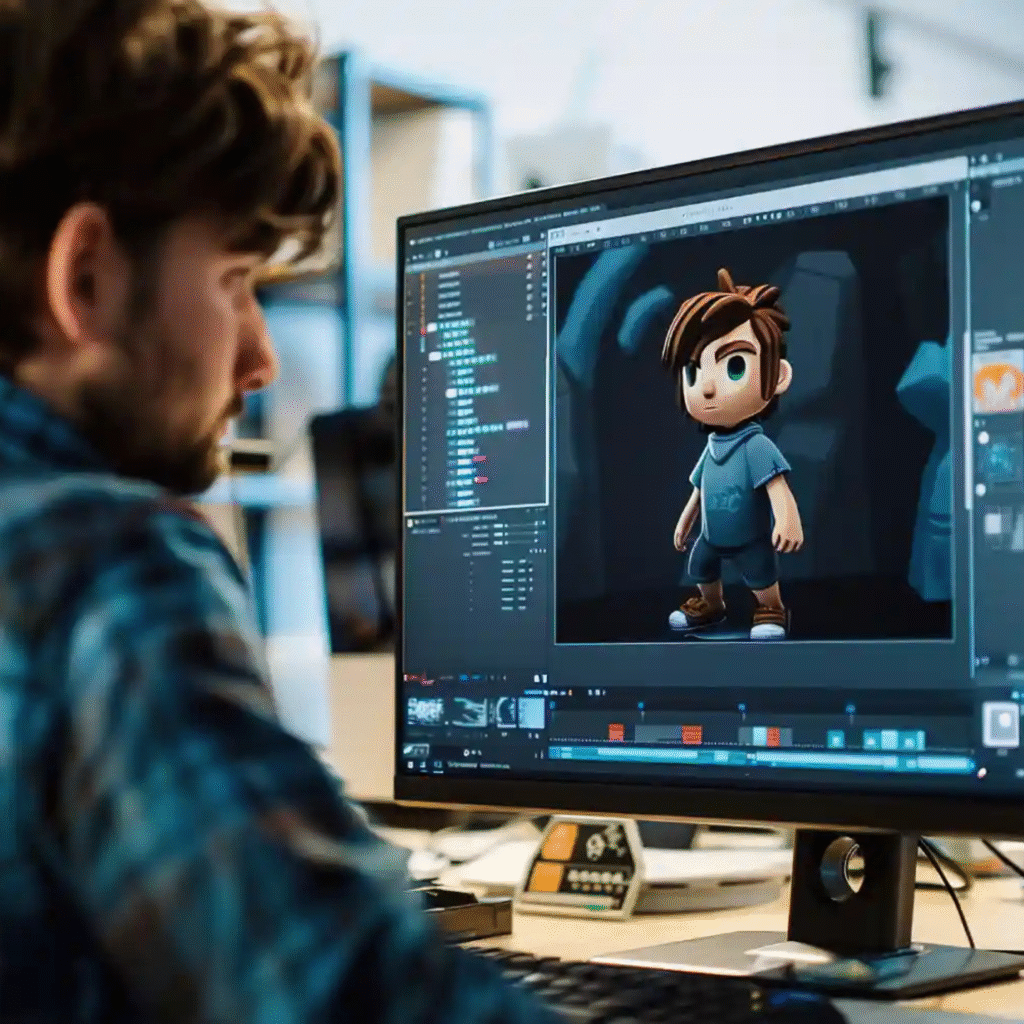
The animation industry has undergone massive transformation over the last few years, and in 2025, it stands among the fastest-growing creative fields worldwide. Whether we talk about movies, OTT content, gaming, advertising, education, or social media, animation is everywhere. With AI-powered tools, advanced software, and the rising demand for digital storytellers, animation courses are suddenly becoming one of the hottest career choices among students after 10th, 12th, and even graduates. The increasing consumption of digital content, growth of the VFX industry, and the explosion of gaming platforms have opened thousands of new job opportunities. As a result, animation skills are no longer limited to cartoons—they have become essential for brands, production houses, ad agencies, and tech companies. That is why millions of students are enrolling in animation courses across India and abroad. In this detailed blog, you’ll discover why animation is the most in-demand skill in 2025, what makes this career future-proof, which industries hire animators, salary expectations, job roles, and how you can start your animation journey today. 1. Rapid Growth of the Digital Entertainment Industry The entertainment industry has shifted massively to digital platforms like Netflix, Hotstar, Amazon Prime, and YouTube. These platforms require thousands of animated shots, VFX scenes, and graphics every single day. The Indian animation market is expected to grow at double-digit rates throughout 2025. Why the boom? Every movie and web series requires VFX/animation. Animated ads are more effective than traditional ads. OTT content consumption has increased by over 40%. Even low-budget production houses use CGI and animation. This boom has led to a massive shortage of trained animators. Companies need skilled 2D/3D artists, VFX professionals, and motion graphics designers—making animation courses extremely valuable. 2. The Rise of AI and Animation Automation Tools AI has changed the animation world—but it didn’t replace animators. Instead, it made the workflow faster and opened new job roles. AI tools in animation include: AI motion capture AI background generation AI character rigging AI lip-syncing These tools require skilled operators, designers, and creative artists who understand animation fundamentals. That’s why students who learn animation + AI-powered software in 2025 get triple the opportunities. 3. Animation Is Now Used in Almost Every Industry Earlier, animation was limited to movies and children’s cartoons. But in 2025, animation is used across 30+ industries, making it one of the most universal skills. Industries hiring animators today: ✔ Film & Entertainment✔ Gaming (Mobile, PlayStation, PC)✔ OTT Platforms✔ Architecture & Interior Design (3D Visualization)✔ Education (E-learning animations)✔ Advertising & Branding✔ Medical Animation✔ Corporate Training Videos✔ Social Media Content Creation✔ Metaverse & VR/AR✔ Graphic Design & Motion Graphics✔ Product Animation for E-commerce With so many industries demanding animation professionals, skilled students get job offers much faster than traditional fields like engineering, BBA, or B.Com. 4. Explosive Growth of Gaming Industry in 2025 Gaming has become one of the highest-paying industries in the world. In India alone, the gaming market is expected to cross $8 billion by 2027. Why gaming needs animators? Every game requires 3D characters Environment design Motion animation Game cinematics Visual effects Gaming companies like Ubisoft, Rockstar Games, EA, Sony, and Indian studios like Nazara require thousands of animators. This is one of the biggest reasons animation courses are trending in 2025. 5. Metaverse, VR & AR Are Creating New Jobs Metaverse and AR/VR industries are expanding rapidly, and animation is at the heart of them. Skills required for metaverse jobs: 3D modeling Virtual environment creation Motion animation XR content design Character rigging Students who learn 3D animation or metaverse-related skills can secure high-paying global jobs. 6. High Demand for Social Media Content Creators Brands, influencers, and agencies need animated content for: Instagram Reels YouTube videos TikTok Advertisements Product demos Explainer videos This has opened massive freelance opportunities. Even 16–18-year-old students are earning thousands per month through animation-based content creation. 7. Animation Courses Offer Faster Job Placement Than Traditional Degrees Unlike long degrees such as engineering or management, animation courses are skill-based and job-oriented. Students get: Practical training Portfolio development Software mastery Internship opportunities Placement support Within 12–18 months, students get ready for industry-level jobs. Companies prefer animators with skills instead of degrees, which makes animation training highly effective. 8. The Salary Potential in Animation Is Increasing Rapidly Animation jobs are not only in demand; they are highly paid too. Starting Salary (Freshers in India): ₹25,000 – ₹45,000 per month Mid-Level Salary (2–5 years experience): ₹6 lakh – ₹12 lakh per year Senior Animators / Lead Artists: ₹15 lakh – ₹30 lakh per year International Opportunities (US, Canada, Europe): $50,000 – $120,000 annually Even freelancers earn ₹50,000 – ₹1,50,000 per month working from home. 9. Animation Courses Offer Multiple Career Options Animation is not one career—it offers more than 25+ different job roles. Top career roles in 2025: 2D Animator 3D Animator VFX Artist Motion Graphics Designer Gaming Animator Character Designer Storyboard Artist 3D Modeler Texture Artist Lighting Artist Compositor Roto Artist Video Editor Concept Artist AR/VR Designer Metaverse Creator This wide career scope makes animation a dream field for creative students. 10. Remote Work & Freelance Boom After 2020, remote work became normal across the world. The animation industry adopted it faster than anyone else. Freelancers work on: YouTube animations International projects E-learning videos Gaming assets Corporate animations Many animators earn in dollars while sitting at home, making it one of the most flexible careers. 11. Students Want Creative Freedom Many students today are bored of traditional careers. Animation offers: Creativity Flexibility Exciting projects Opportunities to work on movies & games A chance to tell stories visually This creative satisfaction is a major reason why animation courses are in huge demand in 2025. 12. Government & Private Sector Support Both the Indian government and global organizations are investing in: Animation studios VFX parks Skill development programs Startup incubation for animation This support is boosting job opportunities and making animation one of the safest career choices. Conclusion: Animation Is the Skill of the Future The demand for animation professionals is higher in 2025
Monster Animation Movies: Thrills, Legends & Creativity
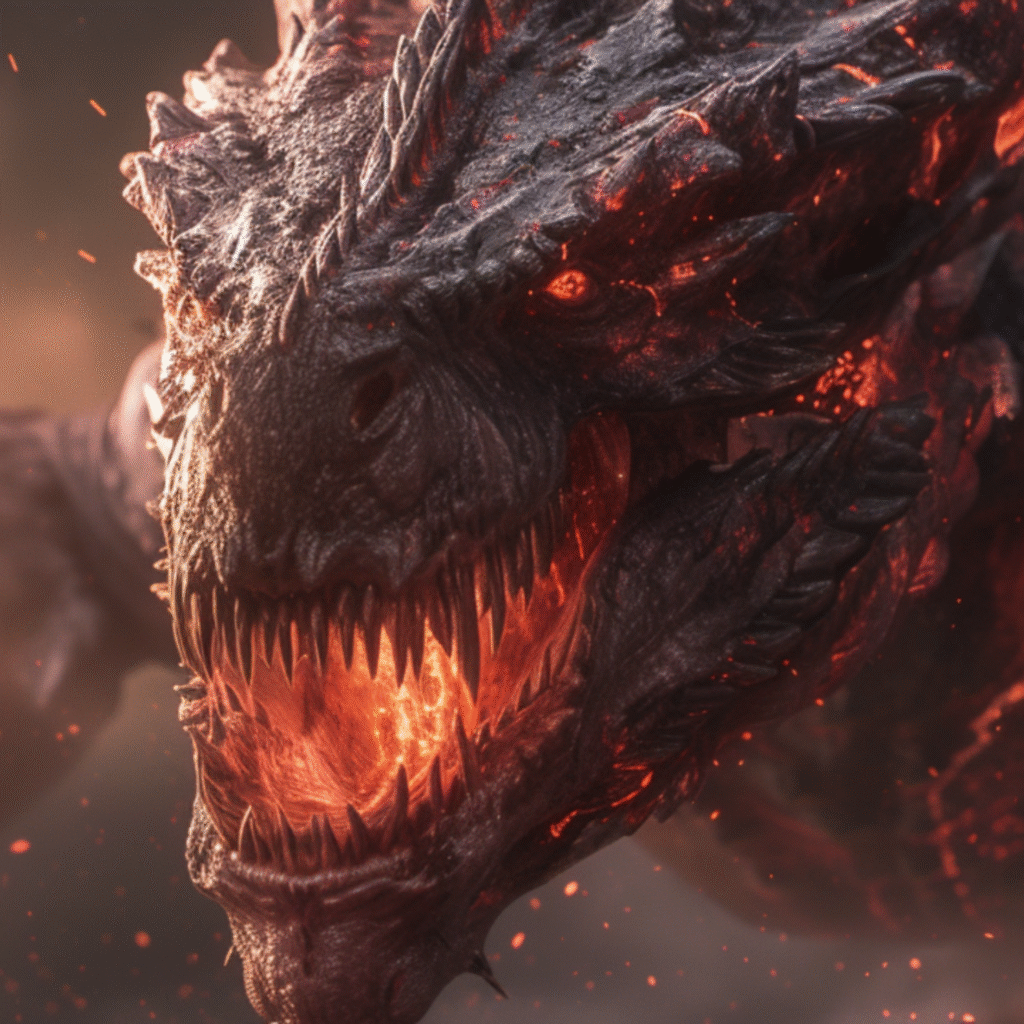
Monster animation movies have always captivated audiences with their mix of fantasy, horror, and adventure. These films combine imaginative storytelling with visually stunning animation to bring mythical creatures, terrifying beasts, and legendary monsters to life. Whether it’s a dragon soaring across a magical kingdom, a sea monster lurking in the deep, or a mischievous forest creature, monster animation movies create a unique thrill for viewers of all ages. Over the years, the genre has evolved, incorporating advanced animation techniques, CGI, and AI-assisted visuals to make monsters appear lifelike and emotionally resonant. Today, these movies are not just entertainment—they are cultural phenomena, often exploring moral lessons, friendship, bravery, and the human relationship with the unknown. The Evolution of Monster Animation Movies Monster animation movies have come a long way from traditional hand-drawn sketches to AI-enhanced CGI animation. 1. Early Era: Hand-Drawn Monsters The first monster animation films relied entirely on traditional drawing techniques. Studios painstakingly illustrated each frame by hand. These movies often featured exaggerated, cartoonish monsters, emphasizing humor and fantasy rather than realism. Classics like early Japanese kaiju animations and Western cartoons introduced audiences to iconic monsters that inspired generations. 2. The Rise of CGI and 3D Animation With the advent of computer-generated imagery (CGI), monster animation movies entered a new era. Films began showcasing realistic textures, fluid movements, and immersive environments. The rise of 3D animation allowed monsters to interact naturally with humans and surroundings, making the storytelling more engaging and visually stunning. 3. AI and Advanced Techniques in 2025 In 2025, AI technology has transformed monster animation movies. AI tools assist in character rigging, motion capture, facial expressions, and even generating complex environments. Animators can now bring fantastical monsters to life faster and with more precision, while still preserving creative freedom and emotional depth. Popular Themes in Monster Animation Movies 1. Adventure and Heroism Many monster animation movies focus on heroes who confront or befriend monsters. This theme often explores courage, teamwork, and overcoming fears. Examples include stories where young protagonists venture into dangerous lands to defeat or ally with monsters to save their world. 2. Friendship and Understanding Monsters Modern monster animations often portray monsters as misunderstood creatures rather than pure villains. These stories emphasize empathy, coexistence, and the importance of seeing beyond appearances. Examples include a young hero learning to communicate with a dragon or a forest monster that protects nature. 3. Mythology and Folklore Monster animations draw heavily from myths, legends, and folklore from around the world. Creatures like dragons, krakens, phoenixes, and goblins often serve as central characters, connecting audiences with cultural stories while delivering thrilling experiences. 4. Horror and Thrills Some monster animation movies explore darker themes, incorporating suspense, fear, and supernatural elements. These films are designed for older audiences or mature viewers, balancing intense action sequences with eerie atmospheres. Iconic Monster Animation Movies 1. Spirited Away (2001) Studio Ghibli’s masterpiece introduced the world to fantastical creatures in a spirit world. The movie’s monsters were whimsical, eerie, and deeply symbolic, showcasing the power of storytelling through imaginative animation. 2. How to Train Your Dragon Series This series focuses on the bond between humans and dragons, blending adventure, friendship, and high-quality CGI animation. It demonstrated how emotionally resonant monsters could become central protagonists rather than antagonists. 3. Hotel Transylvania Series Blending humor and fantasy, these movies introduced young audiences to classic monsters like Dracula, Frankenstein, and werewolves. The animation brought a lively, comedic energy to monstrous characters, appealing to families worldwide. 4. Moana (2016) – Te Ka and Monsters of Myth While primarily an adventure story, Moana introduced mythical monsters inspired by Polynesian folklore. The visually stunning lava monster Te Ka exemplified how modern animation can transform mythological threats into cinematic spectacles. The Role of Technology in Monster Animation Movies 1. CGI and Realistic Textures CGI allows monsters to have realistic skin, fur, scales, and movement. These details make creatures feel alive, capable of emotion, and visually striking. 2. AI-Assisted Animation AI assists animators in motion capture, facial expressions, and scene simulation. A monster’s eye blink, growl, or subtle movements can now be automated while retaining expressive control, reducing production time dramatically. 3. Immersive Sound and Effects Advanced sound design complements monster visuals. AI and digital effects help synchronize roars, footsteps, and environmental interactions, enhancing audience immersion. 4. Virtual Reality Integration Some modern monster animations integrate VR experiences, letting audiences interact with monsters in a 360-degree environment. This trend creates more engaging, participatory storytelling for animation fans. Why Monster Animation Movies Remain Popular 1. Emotional Engagement Monsters evoke strong emotional responses, ranging from fear to empathy. When animated effectively, they become memorable characters that stay with viewers long after the film ends. 2. Creative Freedom Monsters provide animators with unmatched creative freedom. They can combine different traits—fire-breathing dragons, shape-shifting creatures, or multi-eyed giants—without limitations, showcasing artistic innovation. 3. Universal Appeal Monster animation movies appeal to all ages. While children enjoy humor and adventure, adults appreciate complex storytelling, mythology, and technical mastery. 4. Merchandising and Franchise Potential Successful monster animation movies often lead to toys, games, spin-offs, and theme park attractions. Iconic monsters like Toothless or Dracula in Hotel Transylvania have become cultural symbols with lasting popularity. Future of Monster Animation Movies 1. AI-Generated Monster Designs In the coming years, AI will increasingly help generate monster designs from simple prompts. This will speed up creative workflows and allow studios to experiment with endless monster variations. 2. Interactive Monster Storytelling Audiences may soon participate in the story, influencing a monster’s actions or forming bonds with creatures through interactive animation platforms, video games, or VR experiences. 3. Sustainable Production Practices AI and digital workflows will reduce resource consumption, enabling studios to create monster movies more efficiently and sustainably without compromising quality. 4. Cross-Cultural Monster Narratives Future monster animation movies will integrate folklore and mythology from multiple cultures, providing fresh narratives while respecting cultural heritage and increasing global appeal. Conclusion Monster animation movies continue to fascinate audiences worldwide, blending fantasy,
How the Animation Industry Transformed with AI in 2025
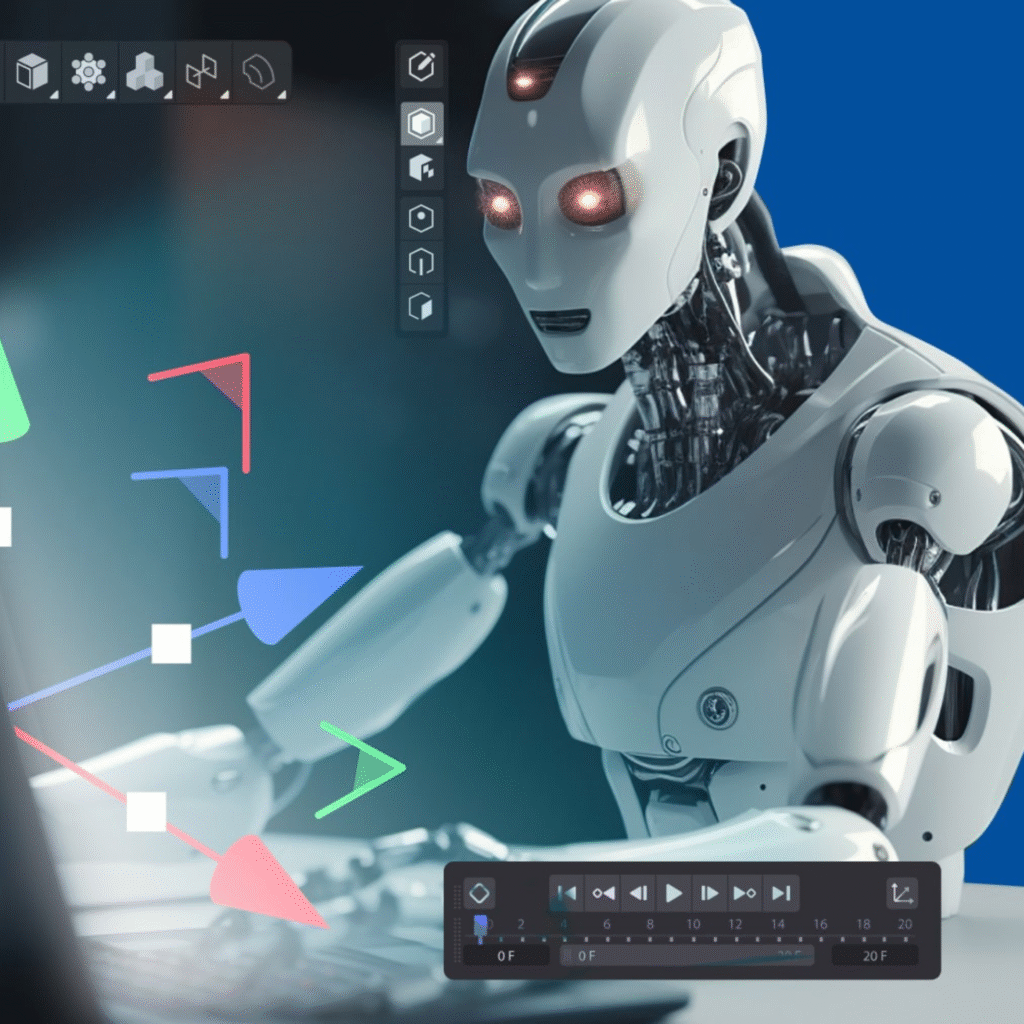
The year 2025 marked a groundbreaking shift in the global animation industry. Artificial Intelligence (AI), which was slowly making its presence felt in previous years, finally took center stage by transforming workflows, boosting creativity, reducing production time, and opening completely new possibilities for animators. From character design and motion capture to automated rendering and AI-driven storytelling, animation today looks and functions entirely differently than it did even a few years ago. This transformation has empowered small creators, indie studios, educators, and large production houses alike. Instead of replacing artists, AI has become a powerful creative companion, enhancing human imagination, streamlining technical processes, and delivering faster, higher-quality animated content to the world. How AI Technology Became the Backbone of the Animation Industry in 2025 This section explains how AI systems evolved into essential tools used across every stage of animation production—from concept creation to post-production. 1. AI-Powered Pre-Production Revolution AI reshaped pre-production processes by making ideation, research, and planning faster and more efficient. • Automated Concept Generation In 2025, AI tools became capable of generating early-stage sketches, story ideas, concept art, and visual tone references within seconds. This helped studios explore multiple creative directions quickly, saving days or weeks during concept development. • Smarter Scriptwriting Assistance AI-driven writing tools began assisting writers in generating dialogues, plot developments, character arcs, and world-building ideas. These tools analyzed thousands of stories, helping writers avoid clichés and craft unique, emotionally aligned narratives. • Rapid Storyboard Creation AI could convert scripts into structured storyboards with rough sketches, character poses, and camera angles. Animators then refined these drafts, significantly shortening pre-production cycles. AI as a Creative Partner for Animators and Artists This section describes how AI supported artists creatively, allowing them to work faster without limiting their artistic originality. 1. AI-Enhanced Character Design AI tools in 2025 allowed artists to instantly generate multiple variations of characters—different outfits, hairstyles, expressions, and proportions—while retaining unique artistic styles. This helped designers test multiple creative directions without manual redrawing. 2. Style Transfer Technology for Visual Consistency AI algorithms enabled automatic style transfer, meaning artists could apply a specific artistic style across hundreds of frames. Whether the style was hand-drawn, watercolor, anime, or 3D realism, AI maintained consistency while significantly reducing manual workload. 3. Intelligent Background Creation Instead of drawing every background from scratch, artists used AI to generate landscapes, futuristic cities, interiors, or fantasy worlds based on text prompts. The generated scenes served as detailed references or even final render-ready assets. AI-Driven Animation Production: Faster, Sharper, and More Efficient This section highlights how AI changed the middle stage of production through automation and motion intelligence. 1. Automated 2D Animation Workflows AI tools could interpret rough sketches and automatically animate them. Frame-by-frame animation, which previously required immense labor, became faster due to AI in-betweening, which generated clean intermediate frames automatically. 2. Real-Time 3D Motion Capture Using AI Sensors In 2025, AI-powered mocap systems required no expensive suits. Creators used smartphone cameras or webcams to capture human movement in real time. AI then translated these motions into smooth 3D animations, making professional animation accessible to all. 3. AI-Assisted Lip Sync & Facial Animation Previously time-consuming, lip-syncing became fully automated. AI could analyze voice recordings, detect emotion, and animate facial expressions that perfectly matched the vocal tone. This dramatically improved animation realism and production speed. 4. Intelligent Physics and Movement Simulation AI simulations handled hair movement, cloth dynamics, water flow, explosions, and environmental effects. Artists no longer needed to manually animate complex physics—AI produced natural-looking interactions automatically. How AI Transformed Rendering and Post-Production This section explains how final output improved using powerful AI-based enhancements. 1. AI Rendering Engines AI-based renderers in 2025 could process frames much faster than traditional software, reducing rendering time from hours to minutes. This allowed studios to test multiple lighting options, angles, and textures without waiting for long render cycles. 2. Smart Upscaling and Quality Enhancement AI upscaling upgrades low-resolution or rough animation frames to high-quality 4K or even 8K visuals. Studios saved time and saved on GPU costs while achieving cinematic output. 3. Error Detection and Scene Cleanup AI tools automatically detected animation errors, inconsistent frames, broken textures, or lighting mismatches. This significantly reduced post-production editing time and ensured cleaner final results. AI’s Impact on Animation Jobs and Creative Careers in 2025 This section covers how AI affected the workforce and what it meant for future careers in animation. 1. More Demand for AI-Skilled Animators Animators who learned to work with AI tools found themselves in high demand. Studios actively hired artists who could blend traditional skills with AI-assisted workflows. 2. New Career Roles Emerged 2025 introduced new job profiles like: AI Animation Supervisor – oversees AI-driven workflows Prompt Artist – writes prompts to generate accurate visuals AI Story Architect – uses narrative AI to structure stories AI Motion Specialist – fine-tunes AI-generated movement These new roles proved that AI did not replace artists—it created new opportunities. 3. Increased Creative Freedom for Small Studios Small animation studios and freelancers benefited the most. AI removed many technical barriers, letting independent creators produce high-quality films, ads, and series without large teams or costly equipment. How AI Personalized Animation for Audiences in 2025 With AI, animation became interactive, adaptive, and personalized for viewers. 1. Viewer-Specific Animated Content AI allowed platforms to customize animation based on user behavior—like changing character expressions, editing background colors, or modifying story difficulty levels for children. 2. AI-Powered Interactive Animation Interactive shows using AI allowed viewers to choose story directions, control characters, or even insert themselves as animated avatars inside episodes using face scanning. 3. Real-Time Localization and Dubbing AI translated dialogues into multiple languages while maintaining lip sync, accents, and emotional tone. This made global distribution faster and helped studios reach wider audiences. AI in Animation Education and Training in 2025 This section explains how AI changed skill learning for students and professionals. 1. Virtual Animation Mentors AI-powered mentors guided students step-by-step, corrected mistakes, suggested improvements, and provided real-time feedback during project creation. 2. Automated Practice