
Top Animation Skills in 2025: How Technology and Creativity Are Shaping Careers

The animation industry in 2025 is evolving at a breakneck pace, driven by cutting-edge technology and growing demand for immersive, visually stunning content. Animators are no longer limited to just creative storytelling—they now need technical expertise to bring ideas to life using AI, real-time rendering, and virtual reality (VR) tools. Combining technology with creativity is no longer optional; it’s essential for career growth. In this blog, we’ll explore the top animation skills in 2025, examine industry trends, and provide insights into how aspiring animators can future-proof their careers in an increasingly competitive landscape. Key Technical Skills Every Animator Needs in 2025 Mastery of 3D Animation Software Proficiency in software like Blender, Autodesk Maya, and Houdini is a baseline requirement for animators in 2025. These tools allow artists to create detailed 3D models, animate characters realistically, and produce complex visual effects. Mastering these platforms enables animators to work efficiently on feature films, games, and virtual productions. Real-Time Rendering with Game Engines Real-time rendering engines like Unreal Engine and Unity are revolutionizing animation workflows. Unlike traditional rendering, these tools allow instant feedback, enabling animators to experiment with lighting, textures, and movements in a live environment. Professionals skilled in these engines are highly sought after, especially in the gaming and virtual production sectors. AI-Assisted Animation Workflows Artificial intelligence is transforming how animators work. AI tools can automate repetitive tasks, generate realistic motion patterns, and even assist with lip-sync and facial expressions. Animators who understand AI integration can save time while producing higher-quality work, giving them a significant edge in the job market. Creative Skills That Set Animators Apart Storytelling and Conceptual Design Technical skills are essential, but creativity remains the heart of animation. Strong storytelling abilities help animators craft compelling narratives that resonate with audiences. Conceptual design skills allow artists to translate abstract ideas into visually engaging scenes and characters, making creativity a critical differentiator. Character Design and Motion Studies Designing memorable characters requires a deep understanding of anatomy, movement, and personality. Animators must study motion, gestures, and expressions to ensure characters appear lifelike. Combining technical expertise with creativity ensures characters feel authentic, enhancing audience engagement. Adaptive Creativity in Immersive Environments The rise of VR, AR, and mixed reality experiences demands adaptive creativity. Animators must think beyond traditional screens and design interactions for fully immersive environments. Creative problem-solving is essential for producing engaging experiences in games, virtual concerts, and metaverse projects. Industry Insights – Job Trends and Opportunities Growth of Gaming, Virtual Production, and Immersive Experiences The gaming industry continues to expand, with a focus on high-fidelity graphics and interactive worlds. Virtual production combines live-action filming with real-time CGI, opening new opportunities for skilled animators. Immersive experiences in VR/AR are becoming mainstream, creating demand for animators who can merge creativity with technology. Demand for Hybrid Animators The most sought-after professionals in 2025 are hybrid animators—those who possess both technical proficiency and strong creative skills. Studios increasingly prefer individuals who can handle AI-assisted workflows, real-time rendering, and character design without depending on multiple specialists. Freelance vs. Studio Career Paths Freelance animation is booming, offering flexibility and diverse project opportunities. However, large studios still value animators with specialized skills for high-profile projects. Aspiring professionals should evaluate career goals and decide whether to pursue freelance work, studio positions, or a combination of both. How to Future-Proof Your Animation Career Continuous Learning and Skill Upgradation The animation industry is rapidly evolving, and professionals must stay updated with the latest tools and techniques. Online courses, workshops, and certifications in AI animation, VR/AR, and real-time rendering help animators maintain relevance and secure high-demand roles. Portfolio Building and Networking A strong portfolio showcasing both creative and technical expertise is crucial. Animators should include work demonstrating storytelling, character design, and technical prowess. Networking through industry events, online communities, and social media can open doors to collaborations and job opportunities. Staying Ahead with Emerging Technologies Emerging technologies like AI-driven animation, procedural generation, and cloud-based collaboration tools are redefining workflows. Animators who experiment with these innovations can stand out in the competitive job market, delivering projects faster and more efficiently. Conclusion In 2025, the animation industry rewards those who can merge creativity with technology. Animators skilled in 3D software, AI-assisted workflows, real-time rendering, and immersive environment design are in high demand. By continuously learning, building a strong portfolio, and adapting to emerging tools, aspiring professionals can secure future-ready animation careers. The key takeaway is clear: mastering both technical and creative skills is no longer optional—it’s essential for success.
From Myth to Metaverse: How Advanced Tech Is Reimagining Monster Lore in 2025
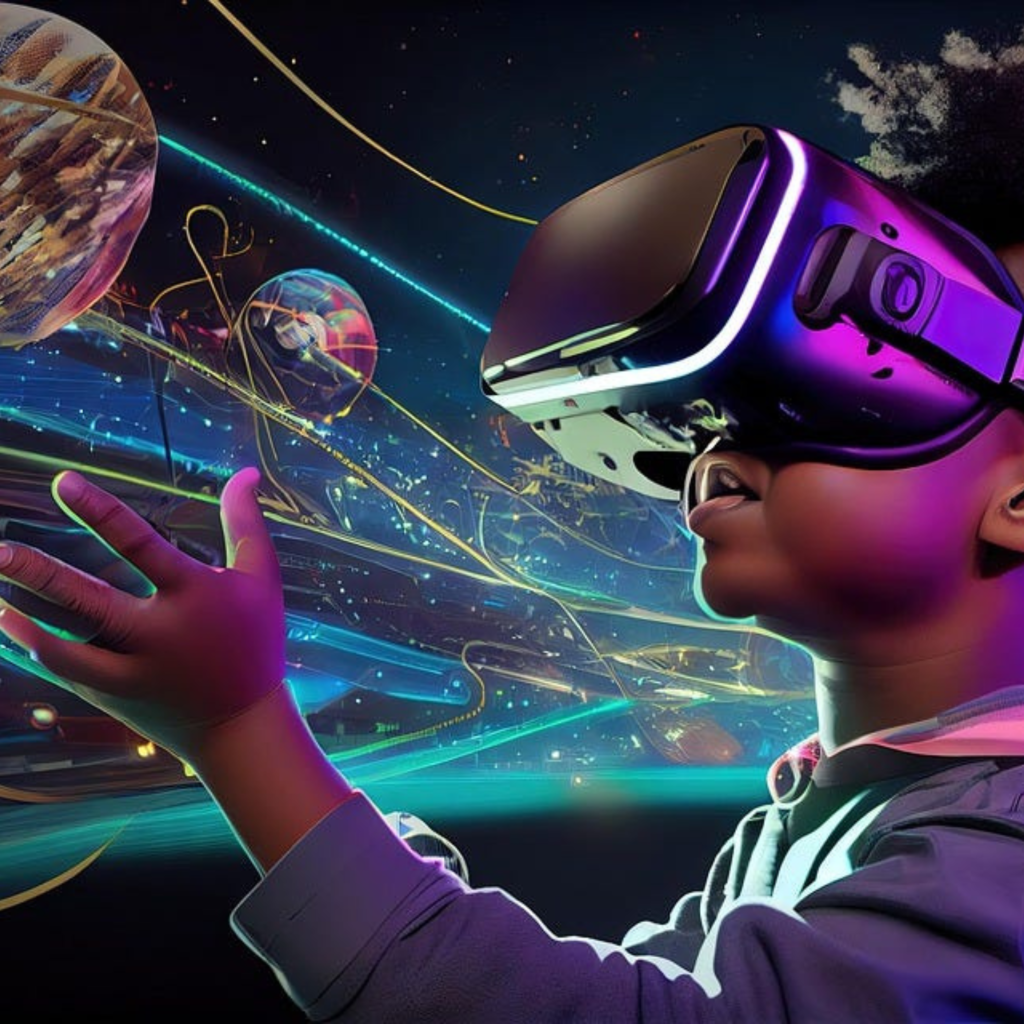
For centuries, monster lore has fueled human imagination—tales of dragons, sea serpents, and legendary beasts have inspired myths, legends, and folklore. But in 2025, technology is reshaping the way these creatures are experienced, studied, and reimagined. The combination of AI, VR, AR, and the metaverse is transforming static myths into interactive, dynamic, and immersive experiences where monsters live, evolve, and interact with audiences in real time. This transformation bridges traditional storytelling with cutting-edge tech, allowing both creators and fans to explore monster lore in ways never possible before. From AI-driven behavior to fully immersive virtual worlds, the past and future of monsters are merging into a new, tech-powered dimension. AI Brings Legendary Monsters to Life Artificial Intelligence is central to reimagining monster lore. AI models analyze centuries of myths, literature, and cultural references to generate creatures that are both authentic to lore and adaptable for modern media. AI-driven monsters can now: Move with believable anatomy React intelligently to environments Express emotions aligned with their mythical origins Interact dynamically with humans and other creatures This allows traditional monsters like dragons, griffins, and krakens to exist in virtual spaces with a level of realism and intelligence that storytelling alone could never achieve. VR and AR Enable Immersive Monster Experiences Virtual and augmented reality have made monster lore tangible. Fans can step inside legendary worlds, observing or even interacting with creatures from myths. VR experiences allow: First-person encounters with towering monsters Exploration of mythical landscapes Interactive combat or cooperation with creatures Environmental storytelling where monsters impact their surroundings AR overlays bring monsters into the real world, allowing users to see mythical creatures walking in their living room, standing in historical landmarks, or interacting with real objects. This level of immersion deepens the connection between myth and modern audiences. The Metaverse Expands Monster Storytelling Universes The metaverse is creating persistent worlds where monster lore lives on continuously. Users can explore entire ecosystems of legendary creatures, interact with them in real time, and contribute to evolving narratives. Key aspects of the metaverse in monster storytelling include: Shared virtual environments across global users Interactive quests and lore discovery Persistent evolution of monsters and ecosystems Cross-platform continuity for gaming, VR, and social experiences In these expansive worlds, mythological creatures are no longer confined to stories—they have agency, behaviors, and communities of their own. Procedural Animation Adds Realistic Creature Behavior Procedural animation is essential for making AI-driven monsters act naturally. Unlike traditional pre-set sequences, procedural systems allow creatures to adapt to: Terrain and environmental conditions Other creatures or players Threats or opportunities Physics-based movements This ensures that even legendary creatures with unconventional anatomies—like multi-limbed demons or flying leviathans—behave realistically, adding depth to interactive lore experiences. Hyper-Real Visuals Merge Myth and Modern Tech Advanced rendering engines create monsters that look as if they stepped out of myth into reality. In 2025, monsters feature: Ultra-realistic textures for scales, fur, or feathers Subsurface scattering for realistic skin and tissue Accurate lighting and reflections for immersive visuals Motion and environmental responsiveness This visual fidelity ensures that traditional mythological creatures feel tangible and lifelike in virtual worlds. AI-Generated Sound Enhances Mythical Presence Audio is critical in bringing monsters to life. AI can generate roars, footsteps, wing flaps, and environmental sounds that match a creature’s size, anatomy, and behavior. Benefits of AI-driven sound: Dynamic audio adapting to user interaction Spatial placement in VR and AR environments Emotional cues aligned with creature personality Integration with environmental effects like water, wind, or terrain Sound design amplifies the realism and impact of monsters, making encounters both thrilling and memorable. Interactive Storytelling Lets Users Shape Lore The fusion of tech and mythology allows players to influence how monster lore unfolds. Users can: Train, evolve, or battle monsters Uncover hidden backstories and legends Alter monster behavior through interaction Participate in evolving narratives influenced by community actions This creates personalized experiences where every player contributes to the living mythos of the creatures they encounter. Education and Cultural Preservation Through Technology VR, AR, and AI also offer educational opportunities. Students, historians, and enthusiasts can study monsters across cultures with accuracy and immersion. Applications include: Recreating ancient mythical ecosystems Exploring regional variations of legendary creatures Understanding folklore origins and evolution Interactive educational VR experiences By preserving cultural monster lore, technology ensures these stories continue to inspire future generations in engaging ways. Cross-Media Integration Strengthens Monster Narratives Monster lore in 2025 spans multiple media platforms. Creatures appear across games, VR experiences, AR apps, streaming series, and social metaverse platforms. Benefits include: Continuous storylines across platforms Enhanced fan engagement Persistent monster ecosystems Collaborative storytelling among global audiences Cross-media integration ensures monsters feel alive, consistent, and central to interactive experiences. Future of Monster Lore in the Metaverse The combination of AI, VR, AR, and procedural animation suggests that future monster lore will: Feature fully autonomous, intelligent creatures Allow user-driven evolution of myths Merge real-world cultural references with imaginative designs Expand across global, interconnected metaverse environments The myth-to-metaverse transition represents a new frontier where monsters are not only legends but interactive, evolving entities. Conclusion Advanced technology is transforming how audiences experience monster lore in 2025. AI brings legendary creatures to life, VR and AR immerse users in interactive worlds, and the metaverse provides a shared space for persistent, evolving monster ecosystems. Procedural animation, hyper-real visuals, and AI-generated sound ensure that these mythical beings feel alive, responsive, and emotionally compelling. From ancient myths to cutting-edge virtual experiences, technology is bridging the gap between imagination and reality, making monster lore richer, more interactive, and more unforgettable than ever before. FAQs 1. How is AI reimagining monster lore? AI generates intelligent, behavior-driven creatures based on traditional myths, adapting their actions, expressions, and interactions in virtual worlds. 2. What role does the metaverse play in monster storytelling? It provides persistent, shared environments where monsters evolve, interact with users, and contribute to ongoing narratives. 3. How do VR and AR enhance monster lore? VR immerses users in mythical worlds, while AR overlays creatures in real environments for interactive, lifelike encounters.
Why Gamers Love Monster Animation in 2025: Next-Gen Engines, Real-Time Rendering & Hyper Detail
Monster animation has become one of the most exciting aspects of modern gaming. In 2025, gamers are no longer passive viewers—they are active participants in dynamic worlds populated with intelligent, lifelike creatures. Thanks to next-generation game engines, AI-driven behaviors, real-time rendering, and hyper-detailed models, monsters are not just adversaries—they are immersive characters that respond, evolve, and interact with players in ways never seen before. The combination of advanced technology and creative storytelling is transforming gaming experiences, making monster animation a central feature of gameplay, narrative engagement, and player immersion. Next-Gen Engines Deliver Stunning Monster Worlds Game engines like Unreal Engine 5, Unity’s latest iterations, and proprietary AAA engines have revolutionized monster animation. They allow developers to create expansive environments and integrate hyper-real creatures seamlessly. Key advantages include: Realistic physics and environmental interaction Massive open-world capabilities Advanced lighting and shading for monster realism High-fidelity texture rendering for intricate details Gamers experience monsters that are not just visually stunning but also integrated naturally into their environment, enhancing immersion and believability. Real-Time Rendering Transforms Monster Interactions In 2025, real-time rendering is a game-changer for monster animation. Unlike traditional pre-rendered assets, real-time engines allow creatures to respond instantly to player actions and environmental changes. Benefits include: Immediate visual feedback for movement and interaction Dynamic lighting, shadows, and reflections that react to monsters Smooth adaptation to complex terrains and obstacles Realistic simulation of textures, fluids, and particle effects This makes encounters feel alive, as every monster reaction aligns with gameplay events in real time. AI-Driven Monster Behavior Enhances Gaming Challenges Artificial intelligence is at the heart of 2025 monster animation for gaming. Monsters now exhibit complex behaviors influenced by the player’s choices, environment, and game progression. AI enables: Adaptive combat tactics Environmental awareness and obstacle avoidance Pack behavior and coordinated attacks Emotional responses to player actions These intelligent behaviors create unpredictable and thrilling encounters, ensuring that no two battles feel the same. Hyper-Detail Makes Monsters Visually Mesmerizing Hyper-detailed monster models are a major draw for gamers in 2025. Artists use high-resolution textures, subsurface scattering, fur dynamics, and realistic skin deformation to create visually rich creatures. Features of hyper-detailed monster animation: Intricate scale, fur, and skin textures Fluid muscle and joint movements Interactive environmental effects (dust, water, fire) Visible physical reactions to impacts and terrain Gamers can now appreciate monsters up close, noticing every tiny detail that contributes to realism and immersion. Procedural Animation Adds Dynamic Movement Procedural animation allows monsters to move organically without relying solely on pre-defined keyframes. AI-driven procedural systems simulate: Weight distribution Limb articulation Terrain adaptation Group dynamics for multi-creature encounters This approach ensures monsters behave naturally in complex gaming environments, adding unpredictability and excitement to gameplay. VR and AR Integration Enhances Immersive Gameplay Monster animation is not confined to traditional screens. VR and AR technologies bring creatures into interactive, fully immersive experiences. In VR and AR games, players can: Face monsters from first-person perspectives Interact with creatures using gestures or voice Navigate immersive environments where monsters adapt dynamically Experience scale and spatial audio for enhanced presence These technologies elevate monster encounters from visual spectacle to fully interactive experiences. Sound Design Amplifies Monster Realism Sound design complements hyper-detailed visuals in creating believable monsters. AI-driven audio systems ensure: Roars, growls, and breathing match monster size and behavior Spatial audio places sounds accurately within 3D environments Environmental effects influence audio perception Emotional cues in monster vocalizations enhance gameplay tension Audio plays a vital role in making monsters feel real, dangerous, and alive to players. Cross-Platform Experiences Expand Monster Storytelling Monster animation in 2025 is not limited to one medium. Games, VR experiences, AR apps, and streaming platforms allow players to interact with the same creatures across multiple platforms. This cross-platform integration enables: Persistent monster ecosystems Consistent visual and behavioral continuity Expanded lore and storytelling Enhanced player engagement across games and media Gamers are immersed in richer, interconnected worlds where monsters feel like living entities rather than isolated characters. Customization and Player Interaction Deepen Engagement Some games now allow players to customize monsters or interact with them in ways that influence their development. AI-driven systems adapt to: Player choices in combat or cooperation Evolution of monster abilities Emotional bonds or rivalries Procedural adaptations for repeated encounters This personalized interaction strengthens the connection between gamers and creatures, making each gaming experience unique. Future Trends: Smarter and More Immersive Monsters Looking ahead, monster animation in gaming will continue to evolve with AI, procedural systems, and VR/AR integration. Gamers can expect: Fully autonomous monsters that learn from gameplay Highly detailed ecosystems reacting in real time Emotionally intelligent creatures Cross-platform interactive storytelling These trends ensure that monster animation remains a central, exciting element of gaming in 2025 and beyond. Conclusion Monster animation in 2025 is captivating gamers like never before. Next-gen engines, real-time rendering, hyper-detailed visuals, AI-driven behaviors, and immersive VR/AR technologies have transformed creatures from static enemies into dynamic, interactive characters. Gamers now experience monsters as living entities—adaptive, intelligent, and emotionally engaging. With every technological advancement, monster animation is pushing the boundaries of what interactive entertainment can achieve, making 2025 a landmark year for gaming and creature storytelling. FAQs 1. Why do gamers love monster animation in 2025? Because monsters are now visually hyper-real, behaviorally intelligent, and fully interactive thanks to AI and real-time rendering. 2. How do next-gen engines improve monster animation? They enable realistic physics, lighting, open worlds, and high-fidelity visuals, allowing monsters to integrate seamlessly into game environments. 3. What role does AI play in monster behavior? AI drives adaptive tactics, environmental awareness, group coordination, and emotional responses, creating unpredictable encounters. 4. How does real-time rendering enhance gameplay? It allows monsters to react instantly to player actions, adjust lighting and textures dynamically, and interact naturally with the environment. 5. Can VR and AR make monster experiences more immersive? Yes, they enable first-person interaction, realistic scale perception, gesture-based control, and spatial audio for full immersion.
Inside the VFX Lab: How 2025’s Technology Is Building Ultra-Real Monster Worlds
The evolution of monster animation in 2025 owes much to the incredible advancements in visual effects (VFX). The modern VFX lab is no longer just a post-production studio—it is a creative ecosystem where digital monsters are sculpted, animated, and brought to life with unparalleled realism. From sprawling cinematic universes to immersive gaming worlds, VFX technology now defines how audiences experience monsters. In 2025, VFX teams combine AI, real-time engines, hyper-real textures, procedural animation, and environmental simulations to create digital monsters that interact seamlessly with their surroundings. These ultra-real monsters are no longer static characters—they breathe, move, and respond in ways that mimic life itself, delivering experiences that captivate and immerse audiences. AI Is the Engine Behind Realistic Monster Behavior Artificial Intelligence has become the cornerstone of modern VFX labs. In 2025, AI systems automate complex processes such as procedural rigging, motion prediction, and facial expression mapping. This allows animators to focus on creativity rather than repetitive technical tasks. Key AI advancements include: Adaptive creature movement Emotion-driven facial expressions Realistic limb articulation for complex anatomies Intelligent environmental interactions This AI-driven workflow ensures monsters feel alive and respond to their worlds with astonishing realism. Hyper-Real Textures and Materials Bring Monsters to Life One of the hallmarks of 2025 VFX is hyper-realistic surface detail. Advanced texture generation tools simulate: Skin elasticity and pores Scale patterns and fur dynamics Blood vessels, scars, and blemishes Subsurface scattering for translucent surfaces AI-assisted texture mapping predicts how surfaces react under various lighting conditions. This level of detail gives monsters a tactile, living quality, enhancing believability and immersion. Real-Time Rendering Speeds Up Monster Production Real-time rendering engines like Unreal Engine 5 are revolutionizing the VFX pipeline. Animators can now see lighting, texture, and motion updates instantly, eliminating the long waits of traditional rendering. Real-time VFX allows: Faster iteration and design testing Complex environmental interactions Realistic shadows, reflections, and volumetrics Seamless integration with VR and AR platforms For monster-heavy projects, this technology reduces production timelines while increasing visual fidelity. Procedural Animation Creates Dynamic and Adaptive Monsters Procedural animation is now standard in VFX labs. Monsters can move dynamically, adapting their gait, limb movements, and posture based on environmental constraints. Advantages of procedural animation include: Realistic reaction to terrain Adaptive motion in response to physical forces Unique behaviors for repeated actions Interaction with other creatures and humans This makes each encounter with a monster feel unique and unpredictable, enhancing engagement in films and games. Environmental Simulation Enhances Creature Realism VFX labs no longer isolate monsters—they exist in reactive worlds. Advanced simulations model: Ground deformation from monster weight Dust, water, and debris interaction Vegetation movement Fire, smoke, and fluid interactions These simulations ensure that monsters leave a tangible impact on their surroundings, making them feel integrated rather than superimposed. Facial Animation Systems Deliver Emotional Depth Hyper-realistic monster faces are now possible thanks to AI-powered facial rigs. These systems capture: Muscle dynamics Eye micro-expressions Subtle breathing movements Emotional responsiveness Facial animation is crucial for storytelling, as it allows monsters to communicate emotions and intentions, making them relatable despite their alien forms. Motion Capture and AI Fusion for Complex Creatures Motion capture in 2025 combines with AI to handle creatures with multiple limbs, wings, tails, or unconventional anatomies. The system predicts motion for extra appendages, balance, and interaction with the environment. Hybrid mocap and AI systems: Preserve the nuances of human performance Extend realism to non-human anatomy Reduce manual cleanup for animators Allow real-time previews during production This fusion creates monsters that move fluidly and naturally, no matter how fantastical their design. Lighting and Shadows Are Key to Immersion Lighting plays a critical role in ultra-real monster worlds. Advanced global illumination engines simulate how light interacts with skin, fur, scales, and environment. In 2025 VFX labs: Volumetric lighting enhances atmosphere Shadow accuracy reflects monster scale and positioning Dynamic light sources adjust automatically with monster movement Bioluminescence and reflective surfaces look lifelike Proper lighting ensures that monsters blend seamlessly with their surroundings, enhancing the believability of each scene. Virtual Production Integrates Monsters With Live Action Virtual production has become integral in 2025, allowing monsters to be inserted into live-action scenes in real time. LED volumes, camera tracking, and previsualization enable: Instant adjustments to lighting and movement Realistic integration with actors On-set performance optimization Dynamic environmental feedback Monsters now coexist with human performers in a way that feels natural, improving cinematic realism. VR and AR Applications Expand Monster Experiences VFX labs are also pushing monsters into VR and AR experiences. Interactive monsters appear in virtual worlds, respond to user actions, and create engaging, immersive experiences. Applications include: VR exploration games AR educational tools Mixed-reality theme park attractions Mobile AR storytelling This crossover between cinematic VFX and immersive technology is redefining how audiences perceive and interact with monsters. Sound Design Complements Visual Realism In ultra-real VFX monster worlds, audio is as critical as visual fidelity. AI-driven sound design ensures that: Roars, footsteps, and breathing respond to the environment Sound effects sync with monster movements Emotional cues are amplified through spatial audio Interactive audio changes based on user perspective Combined with hyper-real visuals, immersive sound makes monsters feel present and alive. Conclusion The VFX lab of 2025 is a hub of innovation where technology and creativity converge to build ultra-real monster worlds. AI, real-time rendering, procedural animation, advanced textures, environmental simulation, and virtual production enable monsters to interact naturally with their surroundings, deliver emotional depth, and engage audiences like never before. The rise of VFX monster animation 2025 is setting new industry standards, transforming storytelling, and redefining the possibilities of digital creature creation. With every technological advancement, monsters are evolving into dynamic, intelligent, and immersive beings, making 2025 a pivotal year for creature animation. FAQs 1. What defines ultra-real monster worlds in 2025? Advanced VFX techniques including AI, real-time rendering, procedural animation, and environmental simulation create highly realistic monster experiences. 2. How does AI improve monster animation? AI enables adaptive movement, intelligent interactions, facial emotion mapping, and texture prediction, enhancing realism and immersion. 3. What role
The Rise of Virtual Monsters: How VR & AR Are Transforming Creature Storytelling in 2025
Virtual reality and augmented reality are transforming entertainment in ways that were unimaginable just a few years ago. In 2025, monster animation and creature storytelling have become the biggest beneficiaries of these immersive technologies. Instead of simply watching monsters on a screen, audiences can now experience them up close—walking beside towering creatures, observing microscopic ones in detail, or battling intelligent virtual beasts in mixed-reality environments. VR and AR have opened a gateway to a new dimension of monster-driven narratives, where interaction, scale, and emotion redefine how creatures are designed and brought to life. The rapid rise of VR monster animation 2025 showcases a major shift: monsters are no longer just characters; they are companions, adversaries, teachers, and emotional anchors inside entire virtual ecosystems. As studios, gaming companies, and streaming platforms adopt these technologies, virtual monsters are becoming smarter, more reactive, and more connected to user behavior than ever before. VR Is Creating Fully Immersive Monster Worlds That Feel Alive One of the biggest transformations in monster storytelling comes from the depth and immersion that VR offers. Instead of viewing a scene from a distance, users are transported into a complete 360-degree universe where monsters interact with the player directly. Every footstep, sound vibration, and sudden movement feels personal and immediate. Modern VR engines simulate: Hyper-real creature presence Realistic environment physics Complex monster ecosystems Atmospheric lighting and sound Full-body movement tracking This creates a living world where monsters behave naturally within their habitats, giving the audience an experience of genuine exploration. A user might follow a giant creature through a desert canyon or observe a neon-lit underwater monster migration from a first-person perspective. AR Brings Monsters Into the Real World While VR immerses users in fictional worlds, AR (Augmented Reality) overlays monsters onto real environments, creating a fusion of digital creatures and physical reality. The result is interactive storytelling that blurs the boundaries between imagination and the real world. AR monster experiences in 2025 include: Creatures that walk through your living room Educational monster projections in classrooms AR battle creatures for mobile and wearable gaming Theme park attractions using blended-reality monsters Museum installations featuring prehistoric digital beasts With advancements in smartphone AR, holographic lenses, and spatial computing, AR monsters respond to real objects, lighting, and even human gestures. This makes creature interactions more believable and emotionally engaging. Hyper-Real Creature Rendering Is Redefining Visual Storytelling Both VR and AR benefit from ultra-realistic rendering engines capable of producing detailed monster skins, dynamic shadows, and fluid movement. In 2025, photorealistic monster design has reached new heights thanks to: Real-time global illumination Physically accurate materials Adaptive shading Volumetric lighting High-resolution texture mapping These technologies allow monsters to look stunningly real, whether they’re breathing heavily in front of the user or soaring through a virtual sky. The realism enhances emotional engagement, fear, curiosity, and awe—elements essential for effective creature storytelling. Interactive Storytelling Makes Monsters Part of the User’s Journey VR and AR do more than show monsters—they allow users to shape the story through direct interaction. Monster behavior adapts based on user actions, creating a branching narrative instead of a fixed storyline. In 2025, interaction-based monster narratives include: Monsters that follow or avoid the user Creatures that respond to voice commands Beasts that help or hinder progress based on user choices Emotional bonds that grow over time Enemy monsters that learn from user strategies This interactive storytelling gives every individual a unique experience, making them feel like active participants rather than passive viewers. AI Plays a Central Role in Smart Monster Behavior The rise of VR monster animation 2025 is deeply tied to advancements in AI. Artificial intelligence allows monsters to behave independently and intelligently within virtual environments, reacting to: Sound cues Player body movement Facial expressions Gaze tracking Environmental shifts AI-driven procedural animation creates lifelike monster motion patterns that adjust automatically based on context. A monster might crouch, flee, attack, or display curiosity—not because of a scripted sequence but because the AI interprets the user’s actions in real time. Spatial Audio Makes Virtual Monsters Feel Truly Present Sound is a crucial part of creating fear, tension, and emotional attachment. In VR and AR, spatial audio enhances immersion by positioning sounds accurately in 3D space. 2025 monster audio advancements include: Directional roars and breathing Footstep vibrations synced to movement Natural environmental sound blending Real-time reactive soundscapes When a creature growls behind the user or brushes against nearby objects, spatial audio creates a visceral sense of presence that amplifies the storytelling impact. Monster Scale Becomes More Powerful in VR & AR Worlds Scale is one of the most dramatic advantages VR and AR offer monster creators. A massive creature standing 200 feet tall conveys its size far more powerfully when the viewer is standing underneath it. Users can experience: Tremors from giant footsteps Shadows covering landscapes Detailed textures up close Height-induced fear or excitement This makes monster storytelling more emotional and thrilling. In AR, scale can be adjusted dynamically—allowing massive creatures to appear on a city skyline or tiny ones to crawl across a table. VR and AR Gaming Push Monster Animation Into New Territory The gaming industry has embraced virtual monsters like never before. VR monster games in 2025 feature adaptive AI-driven enemies that: Change fighting styles Hunt in packs Learn player behavior Navigate complex environments React to sound and movement AR monster games have also evolved beyond simple mobile interactions. Wearable AR glasses make the experience more seamless, turning real environments into hybrid creature battlegrounds or exploration zones. Education Uses Virtual Monsters to Teach Biology, History, and Mythology Virtual monsters are not just for entertainment. VR and AR are being used to teach: Prehistoric creatures Extinct animals Mythological monsters Biology-based hybrid creatures Fantasy species in literature Interactive, scientifically grounded monster simulations help students understand evolution, anatomy, ecosystems, and cultural history. VR & AR Theme Parks Are Building Monster Adventures Entertainment parks now use VR and AR to create monster-themed rides and attractions where creatures appear: Beside roller coasters Inside dark rides Through holographic projections
How AI Is Creating Smarter Monsters: The New Era of Intelligent Creature Animation in 2025
The animation industry has entered an exciting new phase in 2025—one where monsters are no longer just visually stunning but also intelligent, behavior-driven, and emotionally responsive. Thanks to rapid advancements in Artificial Intelligence, monster animation is undergoing the biggest transformation in its history. AI is not only making the creative process faster and more efficient but is also reinventing how monsters move, react, and interact with their environment. From neural networks to procedural intelligence, the future of creature animation is being shaped by algorithms that understand physics, emotion, and complex biology. This evolution is creating digital monsters that feel alive—not just in appearance, but in the way they think, behave, and respond to the world around them. In this in-depth exploration, we break down how AI is reshaping monster animation in 2025 and why the entertainment industry is embracing this intelligent revolution. AI-Driven Monster Creation Is Becoming the New Normal One of the biggest breakthroughs in 2025 is AI-assisted monster design. Instead of building creatures entirely from scratch, animators now work with AI models that generate base structures, anatomy suggestions, muscle systems, and unique creature silhouettes. These models analyze millions of biological references—from reptiles and mammals to deep-sea life—to generate accurate anatomical forms. The AI provides multiple variations at once, giving creators instant options to refine shapes, textures, and proportions. What once took weeks of manual sketching and sculpting can now be achieved in hours, allowing animators to focus more on personality, movement, and story relevance. Neural Motion Systems Are Making Monsters Smarter Than Ever The biggest leap in AI monster animation 2025 is neural motion behavior. AI-trained motion systems allow monsters to move in ways that feel natural, dynamic, and adaptive. Instead of being controlled by keyframes alone, creature behaviors evolve based on their environment, obstacles, and character motivations. Neural systems now simulate: Instinctive reactions Environmental awareness Adaptive movement patterns Interaction with other digital characters Decision-making in real time For example, a monster running through a forest can adjust its footing based on terrain, avoid trees intelligently, and even react to sudden noises with micro-expressions. These systems bring monsters to life with a level of realism previously impossible. AI-Enhanced Facial Animation Is Redefining Monster Expressions Smart creature animation goes beyond movement—AI has revolutionized facial expressions. Deep-learning facial rigs now analyze emotional cues from human actors and translate them into monster-specific anatomies. This leads to: More expressive eyes Realistic lip movement Emotion-driven muscle tension Subtle micro-expressions Monsters can now express fear, curiosity, anger, humor, or confusion with nuanced detail. These expressions make creatures more relatable and emotionally compelling, creating a deeper connection with audiences. Behavioral AI Makes Monsters Act Realistically in Any Scene AI-driven behavioral systems simulate intelligence that mirrors natural instincts. Monsters can now react logically to objects, weather, lighting, sound cues, and character interactions. In 2025, monster AI can determine: When to attack or retreat How to navigate obstacles Which body language to display How to respond to emotional cues from actors Instead of following a strict script, monsters behave dynamically. This reduces the need for manual animation and improves cinematic authenticity. AI-Assisted Motion Capture Speeds Up Creature Animation Traditional motion capture is powerful but time-consuming. In 2025, AI-enhanced mocap tools automatically clean noisy data, fill in gaps, and refine movements with biological accuracy. This is especially useful for non-human monsters with complex forms such as: Multi-legged creatures Flying beasts Underwater monsters Shape-shifting entities AI can now simulate how extra limbs should move, how wings should flex, and how weight should shift—all based on physics and biological rules. Procedural Intelligence Makes Monster Interaction Realistic and Unpredictable AI-powered procedural animation removes the rigidity of pre-programmed monster actions. Monsters now adjust their steps, movements, and reactions based on the physics of the world they inhabit. This allows for: Dynamic limb interactions Weighted movement Realistic collisions Fluid response to forces This procedural intelligence ensures that every action feels organic and unique. Even repeated scenes produce slightly different, more realistic outcomes. AI-Generated Textures and Materials Create Biological Realism AI texture engines generate skin surfaces that mimic real biological patterns—scales, scars, veins, wrinkles, fur, moisture, and more. The system learns from thousands of references to produce textures that blend naturally across the monster’s body. AI also predicts how textures respond to various lighting conditions: Wet surfaces shine accurately Scales reflect directional light Fur shifts realistically with wind Skin stretches naturally during motion These details add depth and authenticity to monster appearances. AI-Powered Sound Design Makes Monsters Feel Alive Creating monster voices used to require layers of animal roars, metallic sounds, and human distortions. In 2025, AI voice generators produce unique monster sounds based on: Vocal pitch Breath density Emotional context Body mass Movement type Sound designers then blend AI layers with real-world elements to create unforgettable monster audio signatures. Real-Time AI Tools Are Empowering Game Developers In gaming, AI-driven monster animation is creating unpredictable enemies, smarter bosses, and immersive ecosystems. Real-time AI systems allow monsters to: Learn player behavior React dynamically to attacks Coordinate group movement Display tactical intelligence This makes games more challenging, lifelike, and interactive. AI Is Enhancing Creature Storytelling Across All Media Monster animation in 2025 goes beyond visual spectacle—AI enables creatures to play deeper narrative roles. Studios use AI to give monsters: Emotional arcs Personality-driven behavior Story-based evolution Relationship dynamics with human characters AI is pushing monster storytelling into more meaningful territory, allowing creatures to become central emotional figures rather than simple antagonists. Conclusion AI is transforming monster animation in 2025 at every stage—from design and movement to behavior, sound, and storytelling. The result is a new generation of monsters that feel intelligent, expressive, and alive. With neural motion systems, procedural intelligence, and hyper-real AI-driven textures, monster animation is evolving into a seamless blend of creativity and smart technology. The future promises even more advanced and self-evolving creatures, making monster animation one of the most exciting frontiers in entertainment today. FAQs 1. What is AI monster animation in 2025? It refers to the use of artificial intelligence to
The Future of Monster Animation in 2025: Entertainment Meets Cutting-Edge Technology
Monster animation has always been one of the most thrilling aspects of entertainment. But in 2025, the industry is witnessing a massive transformation driven by next-generation technology. Whether it’s movies, OTT shows, games, or VR productions, monster characters are becoming more realistic, more intelligent, and more emotionally engaging than ever before. These advancements are not just artistic breakthroughs—they are reshaping how audiences connect with creature-driven stories. The fusion of AI, real-time rendering, advanced VFX, virtual production, and new storytelling models is unlocking a new era for studios, animators, and fans worldwide. Below is a complete deep dive into how entertainment meets technology and why monster animation in 2025 is undergoing its biggest revolution yet. AI Is Accelerating Monster Animation Workflows in 2025 Artificial Intelligence is no longer a supporting tool—it’s the backbone of modern monster animation in 2025. AI-driven software automates several stages of the production pipeline, including rigging, motion capture cleanup, texture generation, and scene optimization. This automation reduces project timelines by nearly 40% and allows studios to experiment more with creature variations. AI also makes it possible to generate early monster models based on text prompts, environmental requirements, or even emotional traits. Tools like neural rendering and machine-learning-enhanced simulations help animators produce incredibly dynamic monster movements. Instead of spending weeks creating rough models, creators can now generate multiple iterations within hours, allowing for faster decision-making and superior creative freedom. Hyper-Real VFX Are Taking Monster Designs to a New Level One of the defining characteristics of monster animation 2025 is the rise of hyper-realistic visual effects. These VFX systems simulate skin layers, muscle tension, saliva movement, fur physics, and complex shadows with astonishing precision. Studios are increasingly using physically based rendering (PBR), subsurface scattering technologies, and GPU-powered VFX engines to give monsters a natural, life-like presence on screen. Whether it’s dragons in fantasy series, alien creatures in sci-fi films, or mythological beasts in games—audiences are experiencing cinematic realism like never before. Hyper-real VFX also help build emotional depth. When monsters display believable micro-expressions, eye movements, or muscle reactions, viewers can connect with them on a psychological level, enhancing the narrative impact. Real-Time Rendering Is Revolutionizing Creature Production Real-time rendering is one of the biggest tech breakthroughs shaping monster animation in 2025. Unlike traditional rendering pipelines that require hours or days to process scenes, real-time engines like Unreal Engine and Unity allow animators to see updates instantly. This technology speeds up creature simulations, lighting adjustments, texture updates, and environment changes. Filmmakers, game developers, and animators can test monster appearances instantly, predict how scenes will behave, and refine monster behaviors on the spot. The result? Higher-quality output in a fraction of the time. This shift toward real-time rendering is especially beneficial for monster-heavy productions, where complex animations and effects are common. It reduces production costs while boosting visual fidelity and dynamic accuracy. Virtual Production Is Merging Monsters With Real Environments Virtual production is becoming the new standard in 2025, replacing green screens with interactive LED walls. This technology creates immersive, real-time environments that match the movement of the camera. For monster animation, this means creators can place digital monsters into realistic settings instantly. Actors can also visualize creatures during filming, leading to more authentic reactions and better performance. Virtual production eliminates lighting mismatches, reduces post-production timelines, and enables real-time creature adjustments. Monster films and sci-fi series are using this technology extensively to achieve cinematic realism at a lower cost. Procedural Animation Is Enhancing Monster Movements Procedural animation plays a huge role in 2025, especially for complex creatures. Instead of manually animating thousands of movements, animators use physics-based systems that simulate behaviors automatically. This makes monster motion more natural and dynamic. For example: Tentacles react realistically to environmental forces Wings adjust speed and direction based on physics Massive body movements reflect accurate weight distribution These intelligent systems make monster characters look fresh, unique, and hyper-realistic with every scene. Motion Capture Is More Detailed Than Ever Before Modern motion capture systems in 2025 now support full-body, facial, and even micro-expression capture. These systems translate subtle human gestures into monster designs—giving creatures more emotional range. High-frequency sensors ensure that every muscle twitch and eye movement is captured precisely. Even non-human motions, like crawling, flying, or multi-legged movement, can be recorded using AI-assisted mocap setups. This results in smoother, more expressive, and more believable monster performances on screen. 3D Scanning and Photogrammetry Speed Up Monster Modeling 3D scanning tools allow creators to scan textures, objects, animal skins, geological structures, and human expressions to build monster surfaces. This speeds up modeling and texturing drastically. Photogrammetry provides high-resolution references for skin patterns, bone structures, and anatomical details—making monster models far more lifelike. These technologies help animators create monsters with biological accuracy, whether they are reptilian, amphibious, extraterrestrial, or mythical. Voice AI and Sound Engineering Make Monsters More Immersive Sound is a critical part of monster animation in 2025. AI-driven voice systems generate custom monster voices based on pitch, texture, breathing patterns, and emotional intensity. Sound engineers combine real animal voices, AI frequency layers, metallic distortions, and biomechanical effects to produce unique creature sounds. These sounds play a major role in character identity. A monster with a distinct audio signature becomes unforgettable and instantly recognizable. VR and AR Are Bringing Monsters Into New Worlds Virtual Reality and Augmented Reality are creating new platforms for monster storytelling. VR games allow users to interact directly with massive creatures, examine their anatomy up close, or escape from monster-filled environments. AR experiences place monsters in real-world surroundings, making them appear more alive and integrated. As devices become more powerful, these experiences are becoming more immersive, real-time, and emotionally engaging. Cross-Media Monster Universes Are Growing Studios are no longer creating monster characters just for films or games—they are building entire universes. A monster introduced in a streaming series might later appear in a mobile game, comic book, or VR experience. Transmedia storytelling ensures: Wider audience engagement Longer franchise lifespan Deeper fan connection More opportunities for merch and licensing Technology makes it easier
2025 Monster Animation Revolution: How Advanced Tech Is Redefining Creature Design
The world of monster animation is undergoing a dramatic transformation in 2025. From AI-powered procedural movement to hyper-real VFX simulations and real-time rendering engines, modern creature design has evolved far beyond traditional CGI. Today’s audiences demand monsters that feel alive—not just visually stunning but emotionally expressive, anatomically believable, and deeply integrated into their environments. This technological revolution is pushing animators, VFX artists, and production studios toward workflows that merge science, computing power, and creative imagination. The result? Creatures that look, move, sound, and behave more authentically than ever before. Below, you’ll discover how advanced technology is redefining monster animation and creature design in 2025—setting bold new standards for films, OTT content, gaming, AR/VR, and virtual production. The Rise of AI-Driven Monster Animation Pipelines AI has become the backbone of modern creature creation. In 2025, animation teams rely heavily on machine learning to speed up complex tasks and bring realism to monster physiology. AI tools now handle: autonomous rig generation predictive motion behavior simulated muscle dynamics automatic weight painting intelligent facial expression mapping What once took weeks of manual work is now completed in minutes. AI for Anatomical Accuracy and Creature Blueprinting Modern AI systems analyze real biological models—from reptiles to aquatic animals—to generate realistic muscle systems, bone structures, weight distribution, and even digestion-based body shape changes. For example, if a creature has six arms or magma-filled veins, AI automatically: assigns bending limits simulates realistic weight predicts posture and movement enhances deformers during animation This makes physically impossible creatures feel scientifically plausible. AI-Enhanced Emotion Systems for Monster Faces The emotional evolution of monster characters is a major highlight of 2025. AI blends human datasets with creature-specific features to produce: subtle brow tension micro-expressions reactive pupil dilation breathing rhythm changes vocal-resonance animation This helps viewers emotionally connect with non-human characters—crucial for films and games centered around creature-driven storytelling. Hyper-Real VFX: The New Standard of Monster Realism Hyper-realism is no longer optional—it’s expected. VFX technology now allows artists to craft monster details with microscopic accuracy. Key hyper-real upgrades include: subsurface scattering on thick skin moisture-based specular highlights dynamic scale reflections fluid-based saliva simulation high-density fur motion using physics layers These detailed layers make creatures visually shocking on screen. Next-Generation Skin, Fur & Scale Simulation Tools like Houdini, Ziva Dynamics, and XGen have introduced powerful physics-based simulation systems. They allow animators to create: multi-layered skin reactions reactive fur flow during wind or speed scale shedding pressure-based deformation patterns monster sweat and oil maps The result is a creature that looks biologically active and environmentally responsive. Environment Interaction: The Key to Believability In 2025, monsters aren’t just animated—they interact authentically with the world around them. Advanced VFX enables interactions like: ground cracking under monster weight dust plumes during sharp movements water displacement from massive bodies vegetation bending or breaking building destruction physics When creatures alter the environment, their presence feels real and immersive. Unreal Engine 5 and Real-Time Rendering Are Changing Everything The introduction of Unreal Engine 5 has accelerated monster animation by reducing rendering time drastically while enhancing detail. UE5 tools now power: cinematic monster fights real-time creature shading dynamic lighting for glowing or bioluminescent monsters instant previews for animators Real-time rendering has cut production timelines by nearly 80%. Nanite for Ultra-High Detail Creature Models Nanite geometry enables animators to work with billions of polygons efficiently. Monster creatures can now be sculpted with: fine skin cracks muscle fibers tiny embedded veins chipped claws scar layers pollen or dust particles on skin All rendered flawlessly in real-time. Lumen Lighting Adds Cinematic Depth to Monster Shots Lumen simulates complex global illumination. It enhances monster visuals by producing: realistic reflections on wet scales glowing eyes with volumetric scattering accurate light bounce during explosions atmospheric fog illumination This adds emotional and visual richness to creature scenes. Motion Capture Evolved: Creature Performance Capture 2025 introduces hybrid creature MoCap systems combining: human performance predictive AI motion physical feedback extended limb capture Actors wear multi-limb suits with sensors on tails, wings, tentacles, or extra arms—allowing them to perform creature movement realistically. Facial Capture: Monsters With Authentic Emotions Advanced facial MoCap helps capture: jaw dislocation simulations cheek muscle dynamics stretched facial anatomy alien-like expression combinations These systems blend human expression patterns with creature anatomy to create unique, believable faces. Procedural Animation for Intelligent Monster Movement Procedural animation is revolutionizing monster movement in films and games. In 2025, procedural systems allow creatures to: adapt leg motion to uneven terrain change movement style depending on emotion auto-correct balance in complex environments adjust gait based on weight and surface type This creates real-time behavioral intelligence. Procedural Combat Systems for Gaming Monsters Games now feature monsters that: study player attack patterns counter intelligently adjust aggression levels modify defense strategies evolve abilities as the game progresses This makes gameplay encounters more unpredictable and cinematic. Virtual Production: Monsters in Real Environments Virtual production using LED volumes blends physical sets with digital worlds. Actors perform in environments displaying: forests alien deserts underwater caves monster lairs This allows: accurate lighting on performers realistic reflections natural emotional responses When monsters are added digitally, they match the lighting and environment perfectly. Neural Rendering & Deepfake Tech for Monster Faces Neural rendering is one of 2025’s most groundbreaking monster design tools. It enables: instant face retargeting hyper-real lip-sync deepfake creature dialogues smooth facial deformation This improves emotional storytelling and speeds up post-production. AI Creature Generators: Rapid Monster Concepting A major shift in 2025 is AI-driven creature generation. Artists simply input text prompts like:“A bioluminescent dragon with crystal scales and fog-breathing ability.” AI then produces: 3D model drafts custom texture sets rig suggestions movement presets Concept artists now focus more on refinement and creativity, not repetitive tasks. Monster Animation in VR, AR, and Mixed Reality Experiences Monster animation is expanding into immersive worlds. In VR, users can encounter: full-scale Kaiju dragons flying overhead underwater leviathans In AR, monsters appear in real locations—walking across streets, entering malls, or towering over buildings. In MR, creatures interact with both digital and physical objects. Sound Design Revolution
From AI to Hyper-Real VFX: Tech-Driven Monster Animation Trends Dominating 2025
Monster animation is entering a groundbreaking era in 2025. What once depended heavily on manual artistry, clay modeling, and frame-by-frame animation is now powered by advanced AI, real-time rendering engines, hyper-real CGI simulations, and next-gen VFX pipelines. Modern audiences want creatures that feel alive—emotionally expressive, physically believable, and visually stunning. This dramatic rise in expectations has pushed the animation industry into a technological revolution. In 2025, monster animation is no longer about creating “scary creatures.” It’s about building intelligent beings that interact with environments, respond to characters, and emotionally engage viewers. This blog explores the biggest tech-driven monster animation trends dominating 2025, revealing how tools, innovations, and workflows are redefining creature-based storytelling across filmmaking, OTT platforms, gaming, and immersive digital worlds. 1. AI Is Reshaping the Entire Monster Animation Pipeline Artificial Intelligence is the backbone of monster animation in 2025. It enhances creativity, reduces production time, and gives animators unprecedented control over complex creature behavior. 1.1 AI-Powered Creature Rigging & Auto-Retargeting AI automates the most challenging part of monster animation: building rigs for unnatural proportions. Whether a creature has 4 legs, 12 tentacles, multiple wings, or floating appendages—AI generates: muscle systems joint rotations secondary movement behavior physics-based constraints This reduces weeks of manual rigging to hours. 1.2 AI Motion Prediction for Realistic Movement Instead of animators sculpting every movement, AI predicts: how a giant monster’s weight shifts how wings react in strong wind how claws grip surfaces how multi-limbed creatures walk This creates lifelike animation rooted in physics and anatomy. 1.3 AI-Driven Emotion Simulation Advanced AI tools analyze human emotion datasets and apply them to monsters: subtle eye movements micro facial expressions ear flicks breathing patterns Even terrifying creatures now display personality, fear, anger, or sadness. 2. Hyper-Real VFX: The New Standard for Monster Animation in 2025 Hyper-real VFX is one of the strongest monster animation trends today. Modern audiences expect monsters to look shockingly real—from skin pores to saliva strands, from fur density to infrared glow patterns. 2.1 Real-Time Skin Shading and Subsurface Scattering Monster skin is now layered with: blood flow simulations heat maps muscle elasticity moisture effects Subsurface scattering helps light penetrate the skin and bounce naturally, producing a realistic organic glow. 2.2 Advanced Fur, Scales, and Particle Systems Technologies like XGen, Houdini Grooming, and AI-enhanced particle engines create: ultra-detailed fur movement scale reflections dust displacement during movement dynamic shadow behavior Each strand and scale responds to physics and environmental interaction. 2.3 VFX for Environmental Interaction Monsters don’t just exist—they affect the world around them: water splash simulations ground deformation atmospheric dust plant displacement building destruction physics Hyper-real environmental VFX makes the creature feel “present” on screen. 3. Unreal Engine 5 Is Transforming Monster Animation Globally Unreal Engine 5 is a major force behind high-quality monster animation in 2025. 3.1 Nanite for Infinite Monster Detail Nanite virtualized geometry allows creators to build monsters with: millions of polygons microscopic skin details cinematic-level shading And all of it is rendered in real-time. 3.2 Lumen for Hyper-Real Global Illumination Lumen lighting reacts dynamically: glowing monster eyes radiant lava-based creatures bioluminescent underwater monsters Real-time lighting enhances realism drastically. 3.3 Real-Time Rendering = Faster Production Films, OTT series, and games no longer wait weeks for rendering.Real-time engines cut 70–90% render time. It’s a complete revolution in efficiency. 4. Motion Capture & Creature Performance Take Center Stage In 2025, MoCap is not just capturing human performance—it’s capturing creature performance. 4.1 Creature Suits & Multi-Limb Extensions Actors now wear: padded creature suits tail extensions limb trackers facial capture masks This lets performers mimic monster posture, movement, and behavior. 4.2 Hybrid Performance: Human + AI The animation pipeline blends: human raw motion AI smoothing procedural secondary motion This technique creates monsters that feel organic, unpredictable, and cinematic. 5. Procedural Animation for Monsters: The Future of Automated Movement Procedural animation is dominating monster creation in games and film. 5.1 Terrain-Adaptive Monster Movement Procedural systems automatically adjust monster movements depending on: steep slopes rocky terrain muddy paths underwater zones forests and caves Animators no longer animate every footstep manually. 5.2 Adaptive Attack & Defense Behavior for Games AI-powered procedural techniques help monsters: learn player behavior change attack patterns adapt to threats evolve fighting styles This makes game monsters intelligent and lifelike. 6. Virtual Production: Monsters in Immersive LED Worlds Virtual production technology is changing monster filmmaking. 6.1 LED Volume Sets Actors perform inside giant LED screens displaying: forests mountains alien planets underwater worlds Monsters are inserted digitally with accurate lighting and reflections. 6.2 Better Actor Interaction Actors see the environment instead of green screens, improving: reactions timing emotional performance This boosts monster believability. 7. Deepfake & Neural Rendering in Monster Animation Neural rendering is one of the hottest 2025 trends. 7.1 Deepfake for Monster Faces AI can replace face rigs with deepfake-style expressions, giving monsters: extreme realism fluid transitions natural facial storytelling 7.2 Neural Rendering for Instant CGI Output Neural networks generate CGI frames instantly, reducing render time drastically. 8. Monster Animation in Gaming, VR & Metaverse Monster animation is exploding beyond film. 8.1 VR Monster Encounters Players experience: giant Kaiju attacks underground monster lairs supernatural creatures close-up environmental destruction High-fidelity VR brings monsters to life. 8.2 AR Monsters in Real Spaces AR-based monsters appear: in living rooms at events on smartphones in theme parks These experiences are powered by real-time AI animation. 9. The Rise of AI Creature Generators 2025 introduces AI tools that create monsters from text prompts. You type: A giant reptile with lava veins, armored wings, and three glowing eyes. AI generates: 3D model texture layers early rig version concept animation This reduces early production time by 80%. 10. Hyper-Real Sound Design for Monster Animation Sound is half the experience. 2025 sound innovations include: AI voice modeling for monster roars procedural breathing simulations multi-layered footsteps echo-based environmental sound Sound enhances visual realism. Conclusion Monster animation in 2025 is more technologically advanced than ever.AI-driven rigging, hyper-real VFX, procedural animation, real-time rendering engines, and immersive virtual production have collectively changed the animation landscape. Creators
Why Monster Animation Is Evolving Fast in 2025: The Tech Innovations Behind the Hype
Monster animation has always been one of the most fascinating and visually powerful genres in entertainment, but 2025 marks a turning point like never before. The world of movies, OTT shows, gaming, and virtual experiences is witnessing a massive evolution where monsters are no longer just visual spectacles—they are becoming smarter, more realistic, emotionally expressive, and technologically enhanced. From AI-powered creature rigs to hyper-realistic CGI ecosystems, today’s monster animation is fueled by cutting-edge tools that were unimaginable a decade ago. This transformation is reshaping what audiences expect and what creators can achieve, making 2025 one of the most revolutionary years for monster animation technology. In this deep-dive blog, we’ll uncover how monster animation is evolving fast, the innovations behind its growth, and the future possibilities waiting ahead. This is your complete guide to monster animation trends, animation technology breakthroughs, and the future of monster animation in 2025. 1. The Big Shift: Why Monster Animation Is Booming in 2025 Monster animation is trending more than ever because today’s audiences crave visually intense, larger-than-life experiences. With the rise of OTT platforms, global streaming content, interactive games, and virtual worlds, creators need monsters that feel alive, terrifying, and believable. Several major factors fuel this 2025 boom: ✔ AI-driven VFX and animation tools AI reduces months of manual animation to days, helping studios create complex monster movement, skin textures, and expressions quickly. ✔ Real-time rendering engines (Unreal Engine 5) Real-time engines bring instant results, allowing animators to preview monsters with full lighting, shadows, fur effects, and environmental interactions. ✔ Demand from gaming and metaverse platforms Monster-based games dominate global charts, pushing creators to design more intelligent and reactive creatures. ✔ Audience love for supernatural worlds From Kaiju-style giants to mythical demons, monster animation appeals to all age groups, making it a profitable genre. This growth isn’t accidental—it’s powered by groundbreaking technology. 2. AI Is the New King: How Artificial Intelligence Transforms Monster Animation In 2025, AI is the backbone of modern monster animation. AI doesn’t replace animators—it empowers them with tools that automate repetitive tasks and open new levels of creativity. The biggest impact is seen in three areas: 2.1 AI-Assisted Creature Rigging Earlier, monster rigs took weeks of manual effort. Today: AI auto-builds rig skeletons Predicts natural movements (crawling, flying, slithering, roaring) Adjusts muscle deformation This dramatically speeds up production and enhances realism. 2.2 AI for Emotion & Facial Animation Monsters are no longer expressionless.AI tools like Ziva Dynamics, DeepMotion, and Disney’s AI facial capture help: add micro-expressions animate subtle breathing create eye and jaw movements synchronize monster reactions with dialogue or growls This helps even terrifying monsters feel emotionally complex and more human-like when needed. 2.3 AI Texture & Skin Simulation Monsters have scales, fur, spikes, wings, glowing textures—and AI handles all of it.AI generates: ultra-detailed skin cracks dynamic shifting scales real-time fur movement organic skin stretching The result? Creatures look vivid, alive, and cinematic. 3. Unreal Engine 5: The Game-Changer for Monster Animation Unreal Engine 5 is one of the biggest reasons why monster animation looks drastically different in 2025. Nanite Technology Creates infinite geometry detail, allowing gigantic monsters with tiny skin details visible even up close. Lumen Lighting Makes monster environments realistic with dynamic shadows and live reflections. High FPS Real-Time Output Reduces rendering time by 80–90%. This engine is now used for: Movies & OTT series Game cutscenes Virtual production Immersive VR monster experiences It’s not just a tool; it’s a revolution. 4. Advanced CGI and Hyper-Real Physics for Monster Movement 2025 monster animation relies heavily on next-gen CGI physics. ✔ Soft-body simulation for muscles Muscles ripple and flex realistically during movement. ✔ Procedural animation Monsters automatically adjust movement based on terrain—rocks, mud, water, or snow. ✔ Dynamic limb behavior Large creatures maintain weight balance; small monsters move swiftly and unpredictably. ✔ Water & environmental interaction When a monster walks through water or fog, every ripple and particle reacts accurately. These physics-driven details enhance storytelling and immersion. 5. Motion Capture & Creature Performance: Humans Become Monsters Motion capture (MoCap) is now more advanced and more creature-focused. Human performers now act out monster movements Actors equipped with mocap suits crawl, stomp, jump, and snarl to bring monsters to life. Hybrid MoCap + AI animation blends the best of both worlds: Human creativity Machine precision This combination produces fluid, organic, and believable monster movements. 6. Virtual Production: Monsters Inside LED Walls Virtual production is one of the hottest monster animation trends in 2025. Filmmakers use LED screens to create real landscapes where actors perform alongside digital monsters.Real-time 3D environments help: achieve perfect lighting reduce post-production improve actor performance simplify integration with monsters This approach revolutionizes monster-based filmmaking. 7. The Rise of Monster Animation in Gaming & XR Worlds Gaming, VR, AR, and the metaverse rely heavily on monster animation. Why? Because monsters create challenge, excitement, and unpredictability. 2025 trends include: AI-controlled monster intelligence Real-time adaptive monsters that learn player behavior XR monster encounters in immersive spaces Ultra-real Kaiju battles in virtual reality Gaming is becoming a prime driver for new monster animation innovation. 8. 3D Printing + Animation: Monsters You Can Physically Touch Studios now 3D print: monster models creature prosthetics miniature sets This helps animators study realistic shapes, textures, and anatomy. It creates a seamless blend between digital and physical monster creation. 9. Audience Expectations Are Pushing Creators to Innovate Faster Viewers want: bigger monsters more realistic details smarter creature behavior emotional depth immersive world-building Today’s audience is highly tech-aware.If the monster looks fake, they instantly notice. This pressure motivates studios to adopt the latest technologies rapidly. 10. The Future of Monster Animation: What’s Coming After 2025? The growth doesn’t stop here.The future looks even bigger, bolder, and more unreal. Predicted future trends: ✔ Fully AI-generated monsters from text prompts✔ Monsters with autonomous personalities✔ Holographic monsters for concerts and theme parks✔ Real-time creature creation tools for filmmakers✔ Neural rendering for instant hyper-real CGI✔ Monsters interacting with humans in AR lenses The future of monster animation is limitless. Conclusion Monster
Top Monster Animation Trends in 2025: How Technology Is Transforming Modern Entertainment
The world of animation is evolving faster than ever, and 2025 marks a revolutionary point for studios, creators, and fans. Among all genres, monster animation has seen the most dramatic transformation. From terrifying beasts to emotionally expressive creatures, monsters are no longer just background villains—they are central characters crafted with advanced technology. This shift is driven entirely by the rising monster animation trends 2025, where AI, VFX, real-time rendering, and motion capture redefine how animated creatures are conceived and brought to life. Whether you’re a filmmaker, animation student, content creator, or simply a fan of creature design, understanding these 2025 trends is crucial. This detailed blog explores exactly how technology is pushing monster animation into a new era — blending creativity, science, performance, and cutting-edge digital tools. The Rise of Monster Animation in 2025 One of the main reasons monster content is booming is the audience’s demand for immersive, visually stunning, and emotionally engaging storytelling. Movies, OTT platforms, gaming studios, and VR creators all invest heavily in creature-based stories. From cinematic universes to indie horror games, monsters have become cultural icons—representing fear, power, fantasy, and imagination. But what makes 2025 different? Technology. Every stage of creature creation—from concept art to final rendering—has been upgraded. What once took months can now be done in days, and what once looked unrealistic now appears lifelike. This intersection of tech and creativity forms the core of monster animation trends 2025. Let’s explore each major trend shaping the future of monster animation. 1. AI-Driven Monster Creation Becomes the Creative Foundation Artificial Intelligence is now a core part of monster animation workflows in 2025. Instead of manually sketching every variation, artists use AI tools for idea generation, anatomical exploration, and creature morphology. How AI Is Transforming Monster Design AI generates hundreds of unique creature concepts in minutes. Artists can explore different versions of the same monster—wings, claws, textures, color patterns, posture, and scale. AI-powered predictive design suggests more realistic anatomies based on physics and biology. Hybrid AI tools allow blending animal traits with fantasy elements. This shift saves enormous time during pre-production and supports more imaginative designs. Why This Is Key to Monster Animation Trends 2025 AI enhances creativity, not replaces it. Human artists make creative decisions, while AI speeds up ideation. This synergy is why AI-driven design has become a primary pillar in 2025’s monster animation industry. 2. Hyper-Realistic VFX Pushes Creature Believability VFX has advanced quickly, but 2025 takes realism to another level. Modern monsters have incredibly detailed textures—wrinkled skin, pores, veins, scars, drool, glossy eyes, and translucent membranes. What’s Driving Hyper-Realism in 2025? Real-time ray tracing gives accurate lighting, shadows, and reflections. GPU-powered simulations create lifelike muscle movement. High-resolution scanning enhances skin textures and environmental detail. Hybrid VFX pipelines mix CGI and practical effects for grounded realism. Audiences demand visual accuracy, especially in fantasy or horror settings. Even giant creatures must feel physically present—heavy footsteps, skin vibrations, dust impact, and environmental interactions. Impact on Modern Entertainment Whether it’s a streaming series or a blockbuster, hyper-realistic monsters keep viewers emotionally hooked. This VFX boom is one of the strongest monster animation trends 2025, influencing films, ads, VR games, and cinematic trailers. 3. Motion Capture Becomes More Emotional and Intelligent Motion capture has long been used for creature movement, but 2025 introduces advanced micro-expression capture that records even the smallest facial details. New Improvements in 2025 Motion Capture: Captures over 1000+ facial points. Tracks tiny eye movements, cheek tension, nostril flares, and jaw muscles. Body suits now read muscle pressure and weight balance. Hybrid MoCap blends human actors with fictional creature anatomies. This allows monsters to show: anger fear confusion sadness curiosity humor Emotionally expressive monsters build deeper storytelling connections with the audience. This Trend’s Importance This evolution means monsters are no longer one-dimensional threats—they are fully developed characters capable of emotional arcs. This makes MoCap essential to monster animation trends 2025. 4. Virtual Production and Real-Time Rendering Virtual production is one of the most disruptive changes in filmmaking. LED walls, dynamic backgrounds, and real-time rendering tools like Unreal Engine let directors see monsters directly on set. Why Virtual Production Matters Actors interact more naturally with creatures. Directors can adjust lighting, size, color, or movement instantly. It reduces dependency on heavy post-production. Real-time rendering shows polished visuals during shooting. This trend creates a seamless blend between live-action and CGI monsters. How It Affects Monster Animation It speeds up production, lowers costs, and delivers more accurate creature integration—making virtual production a top driver of monster animation trends 2025. 5. Immersive Monster Experiences in AR & VR Fans don’t just want to watch monsters anymore—they want to experience them. AR and VR innovations allow full interaction with digital creatures. Examples of 2025 AR/VR Monster Applications VR horror games featuring AI-driven monsters that adapt to your behavior. AR monster battles that appear in real-world surroundings. Virtual theme parks with interactive creatures. Mixed reality experiences for education and entertainment. AR/VR monsters respond in real time, making the experience more frightening, exciting, or emotional. Why This Matters This trend expands monster animation beyond screens, turning creatures into interactive entities. With the rise of immersive entertainment, AR and VR heavily influence monster animation trends 2025. 6. Procedural Animation for Natural, Unpredictable Movement Procedural animation generates natural monster movements based on physics and AI rules rather than manual keyframes. What Makes Procedural Movement Essential in 2025 Monsters react dynamically to terrain, obstacles, and weather. Tail, wing, claw, and muscle movements adjust automatically. AI predicts behaviors based on mood or environment. This gives monsters lifelike unpredictability—very important for realism. Key Benefit Monsters behave like biological creatures, not programmed animations. This authenticity is one of the most fascinating monster animation trends 2025. 7. Cross-Media Monster Universes & Franchises In 2025, creators are building extended monster universes across: films gaming comics streaming series VR experiences merchandise Why This Trend Is Rising Fans want deeper worlds and lore. Studios benefit from long-term franchise value. Cross-media storytelling provides revenue across platforms. Successful universes create iconic monsters
Why Learning Animation Online Is Better Than Traditional Classroom Courses

The animation industry is growing faster than ever, and with the rising popularity of OTT platforms, gaming, advertising, and digital content creation, the demand for skilled animators is at an all-time high. Earlier, students only had one option—join a traditional classroom-based animation institute. But today, online animation courses have completely transformed how learners start, practice, and excel in animation. From flexible learning schedules to cost-effective training, online platforms offer a modern learning experience suited for creative students of every level. This detailed guide explains why online animation learning is better, more practical, and more effective than the traditional classroom system. ⭐ 1. Learn Anytime, Anywhere — Total Flexibility Traditional institutes follow fixed schedules. If you’re late or miss a class, you lose important topics. But online animation learning solves this problem. Why Flexibility Matters You can learn at your convenience Perfect for students, working professionals, or freelancers No travel, no time limits, no excuses Learn according to your personal speed Animation requires practice, and online courses let you rewind, rewatch, and repeat sessions anytime—something impossible in offline classrooms. ⭐ 2. Learn at Your Own Pace (No Pressure Like Offline Classes) In a traditional classroom, teachers must move forward according to the batch. Slow learners get left behind, and fast learners get bored. Online animation courses allow: Pausing lessons Rewatching videos Learning complex concepts slowly Practicing scenes multiple times Skipping topics you already know This personalised experience makes online learning far more effective for building real skills. ⭐ 3. Access to Top Instructors From Around the World Offline institutes usually hire local trainers. But online platforms give you access to: International animation experts Hollywood-level animators Senior 3D artists VFX specialists Industry mentors working in big studios This global exposure helps beginners learn techniques actually used in today’s professional studios. ⭐ 4. Budget-Friendly — No High Fees Like Offline Institutes Traditional animation institutes charge heavy fees that include: Classroom rent Electricity Equipment cost Staff salaries Marketing expenses But online courses remove all these overheads. That’s why: Online animation courses are affordable Many platforms offer lifetime access Students save money on travel and accommodation You can start with free software like Blender, Krita, DaVinci Resolve Learning animation online is the most cost-effective way to become job-ready. ⭐ 5. Learn the Latest Industry Software (Updated Courses) Offline institutes usually take months—or even years—to update their syllabus.But online platforms: Update lessons regularly Add new tutorials based on software updates Teach latest tools like Blender, Maya, Cinema 4D, Unreal Engine This means you learn industry-relevant skills that companies actually look for. ⭐ 6. Hands-On Practice With Real Projects Most online animation courses include: Mini projects Scene creation Assignments Real-world exercises Portfolio-building tasks These help students practice animation skills continuously.And because everything is recorded, you can revisit projects anytime to improve your work. ⭐ 7. Perfect for Introverts & Shy Learners Many students feel uncomfortable asking questions in crowded classrooms.Online learning gives: Private learning sessions 1-on-1 feedback options Discussion forums Live Q&A sessions Safe learning environment This boosts confidence and helps learners ask questions freely. ⭐ 8. No Need for Travel — Saves Time & Energy Offline institutes require: Daily travel Wasting time in traffic Fixed class timings Physical presence Online animation learning: Removes travel completely Saves 2–4 hours daily Lets students use that time to practice animation This makes online learning much more productive. ⭐ 9. Job-Oriented, Skill-Focused Learning Online animation courses are often designed by: Professional animators Studio artists Industry leaders Experienced software trainers They know exactly what skills studios require and teach those instead of outdated theory.You learn: 2D Animation 3D Animation Motion Graphics Storyboarding Rigging Character Design VFX Basics Editing & Compositing This makes online learners more job-ready. ⭐ 10. Lifetime Course Access (Impossible in Offline Institutes) Offline classes are temporary. Once the lesson is over, it’s gone.But online courses usually give: Lifetime access Lifetime updates Downloadable resources Bonus lessons You can revisit any lesson even after months or years. ⭐ 11. Learn From the Latest Study Material & Resources Online learning provides: PDF notes Practice files Scene assets Animation templates Character rigs 3D models Exclusive downloadable resources These materials are rarely available in traditional institutes. ⭐ 12. Build a Strong Portfolio for Jobs & Freelancing Companies judge animators based on portfolios—not certificates. Online courses help you build: 2D animation clips 3D character animations Motion graphics videos Short films VFX scenes Logo animations Rigging demos A portfolio created online is more valuable than any offline classroom certificate. ⭐ 13. Learn With Community Support & Global Networks Online learning communities offer: Peer reviews Project feedback Group challenges Animation contests Discord/Telegram communities Collaboration opportunities This helps you connect with global animators, opening doors for international projects. ⭐ 14. Online Learning = Higher Productivity + More Practice Offline classes spend time in: Attendance Setup Break time Unnecessary delays Online courses focus mainly on: Practical learning Animating Assignments Production-based training You learn more in less time. ⭐ 15. Online Animation Learning Boosts Freelancing Opportunities Freelancing platforms like: Fiverr Upwork Freelancer Behance Dribbble are filled with animation projects—2D, 3D, VFX, video editing, storyboarding, and more.Online learning prepares you better for freelance income because: You learn project-based skills You work on real-time tasks You build a digital portfolio You understand client expectations Conclusion Learning animation online is not just convenient—it is smarter, faster, cheaper, and more effective than traditional classroom training. With the ability to learn at your own pace, access global mentors, build real projects, and create a strong portfolio, online courses give students everything they need to start a successful animation career. If you want to start your animation journey from home, online learning is the most practical choice in 2025 and beyond.